Creating a sustainable bathroom is more than just a trend; it is a conscious step toward reducing waste and making eco-friendly choices a part of everyday life. A zero waste bathroom focuses on minimizing disposable products, choosing refillable or biodegradable options, and investing in items that last longer while being kind to the environment. Shifting to a zero waste bathroom might seem overwhelming at first, but small, consistent changes can make a noticeable difference for your household and the planet.
Rethinking Daily Bathroom Products
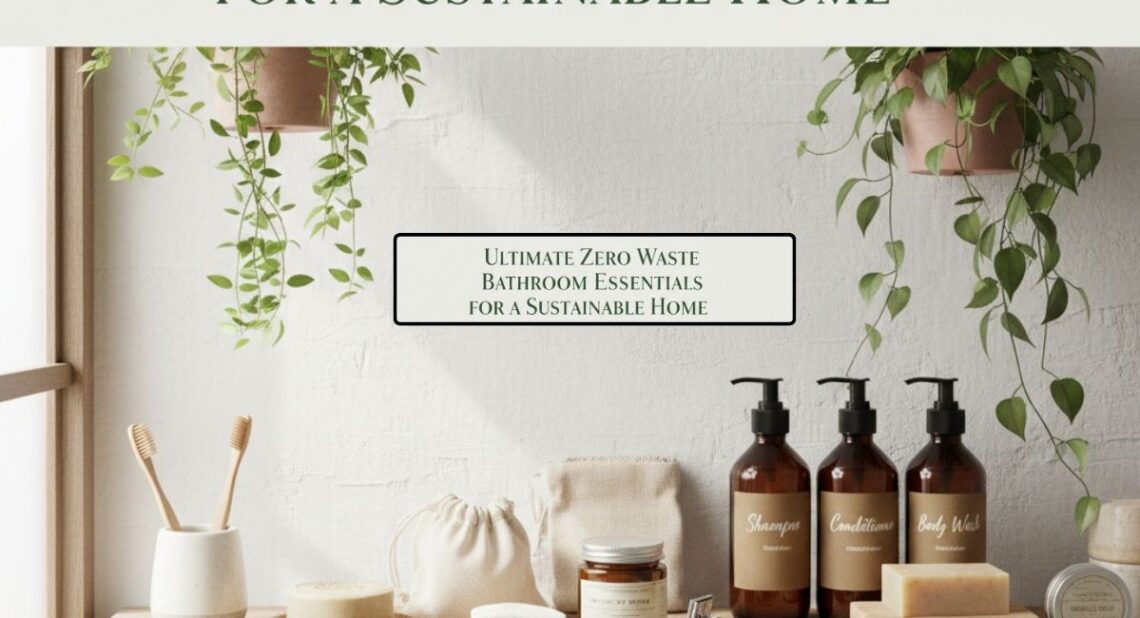
Most conventional bathroom products come packaged in plastic, creating unnecessary waste. Shampoo bottles, toothpaste tubes, disposable razors, and single-use wipes are among the common items that end up in landfills. Moving toward refillable products and sustainable alternatives helps reduce your carbon footprint while promoting a cleaner home environment. For instance, switching to a bamboo toothbrush instead of a plastic one offers a natural and compostable option that maintains oral hygiene without generating plastic waste. Similarly, bar shampoos, solid soaps, and refillable conditioners reduce packaging and last just as long as their conventional counterparts.
Essentials for a Zero Waste Bathroom
Here’s a closer look at the core products that form a sustainable bathroom routine:
- Bamboo Toothbrushes: Made from sustainably harvested bamboo and biodegradable bristles, these toothbrushes break down naturally and reduce plastic waste. Replacing your toothbrush every three months ensures hygiene without environmental compromise.
- Refillable Shampoo and Conditioner Bottles: Many brands now offer concentrated or refillable shampoo and conditioner options. Investing in these reduces the need for new plastic bottles with each purchase.
- Bar Soaps and Solid Body Wash: Soap bars eliminate plastic packaging and last longer when stored properly in a soap dish that allows airflow. Solid body washes are another zero waste alternative that prevents excess water usage in packaging.
- Reusable Cotton Rounds and Towelettes: Instead of single-use cotton pads for skincare or makeup removal, opt for washable, reusable rounds. They can be sanitized in a washing machine and used repeatedly.
- Compostable Toilet Paper: Made from bamboo or recycled fibers, compostable toilet paper is gentle on the planet and avoids plastic packaging common in conventional brands.
- Refillable Deodorants and Personal Care Products: Refillable aluminum or glass containers for deodorants, face washes, and body scrubs are now widely available, allowing you to minimize waste and chemical exposure.
These products not only reduce waste but also encourage mindfulness in daily routines. Using refillable or biodegradable products reminds us to value sustainability while attending to personal hygiene.
Creating a Sustainable Bathroom Routine
Adopting zero waste products is only part of the journey. Building a sustainable routine means examining the frequency and method of use for each product. For instance, many people overuse liquid soap or conditioner, which not only wastes product but also increases packaging demand. Being conscious of quantities, reusing products, and finding natural alternatives where possible improves efficiency and reduces environmental impact. Additionally, switching to eco-friendly cleaning solutions for the bathroom complements a zero waste approach, keeping surfaces clean without contributing to chemical runoff or plastic waste. Simple DIY cleaning products using ingredients like baking soda, vinegar, or castile soap are effective and environmentally safe.
Eco-Friendly Storage and Organization
A sustainable bathroom is also about how products are stored and organized. Glass jars, metal containers, and bamboo organizers are reusable and last far longer than plastic alternatives. Grouping products by type in refillable containers reduces clutter and promotes a minimalist aesthetic while emphasizing environmental responsibility. For smaller spaces, magnetic containers or wall-mounted holders reduce the need for disposable organizers while ensuring every product has a dedicated spot. Using natural materials for storage aligns with a holistic zero waste approach, complementing products like bamboo toothbrushes or bar soaps.
Beyond Products: Reducing Water and Energy Waste
Sustainable bathroom practices extend beyond product choice. Conserving water and energy can significantly reduce your environmental impact. Simple adjustments, like installing low-flow showerheads, using cold water when possible, or reducing shower time, save liters of water every week. Additionally, energy-efficient lighting, such as LED bulbs or natural daylight solutions, lowers electricity consumption. Pairing water and energy conservation with zero waste products creates a bathroom that is truly eco-conscious.
Additional Tips for a Sustainable Bathroom
- DIY Skincare: Creating your own scrubs, masks, and lotions with ingredients like oatmeal, coconut oil, and essential oils reduces packaging waste.
- Upcycled Containers: Repurposing glass jars, tin cans, or old bottles as storage for small bathroom items minimizes single-use plastic.
- Composting: Organic bathroom waste, such as cotton pads or bamboo products, can be composted when appropriate, diverting more material from landfills.
- Plastic-Free Oral Care: Alongside bamboo toothbrushes, options like toothpaste tablets or refillable glass containers further reduce plastic.
- Natural Air Fresheners: Instead of aerosols or chemical sprays, consider using herbs, essential oil diffusers, or DIY room sprays for a fresh bathroom environment.
By combining these strategies, you create a zero waste bathroom that prioritizes health, sustainability, and efficiency.
Integrating Zero Waste Practices into Daily Life
Transitioning to a zero waste bathroom naturally inspires changes in other parts of the home. For example, a sustainable bathroom approach complements eco-friendly kitchen habits, such as adopting reusable storage containers or reducing single-use packaging. Zero waste bathrooms are also linked to overall wellness; minimizing exposure to synthetic chemicals improves skin health and contributes to a cleaner indoor environment. Incorporating zero waste principles can extend to laundry, cleaning, and even office spaces, reinforcing a sustainable lifestyle that is both practical and responsible.
Making Zero Waste a Long-Term Choice
A zero waste bathroom is not a one-time project; it is a gradual shift in habits and choices. Start with small changes, like switching to a bamboo toothbrush or compostable toilet paper, and expand to refillable products and DIY skincare. Tracking the impact of each change, whether through reduced waste, less packaging, or improved water efficiency, keeps motivation high. Over time, these practices become second nature, transforming the bathroom from a source of waste into a model of sustainability.
Zero waste is also about mindset. Prioritizing quality over quantity, durability over disposability, and natural materials over synthetic ones ensures the bathroom remains both functional and environmentally responsible. Sharing these practices with family and friends can amplify the benefits, creating a ripple effect that extends beyond your household.
Final Thoughts
Adopting zero waste bathroom essentials is a practical and meaningful way to reduce environmental impact while maintaining a functional, modern space. From bamboo toothbrushes and refillable shampoos to compostable toilet paper and reusable cotton rounds, the range of sustainable alternatives is growing and accessible. By combining thoughtful product choices with water and energy conservation, storage solutions, and DIY alternatives, a zero waste bathroom becomes not just a trend but a long-term commitment to the planet and personal well-being. Sustainable living starts in the bathroom, but its effects ripple through the home and lifestyle, creating a conscious, mindful, and eco-friendly environment.