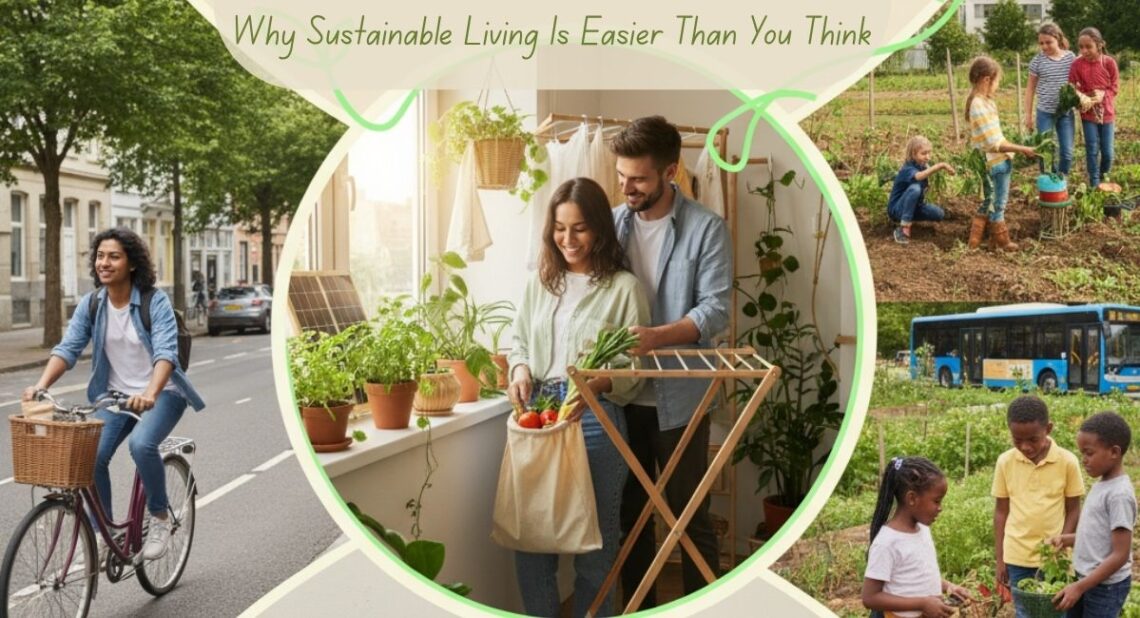
For many people, the idea of sustainable living can feel complicated. It often brings to mind images of people living off-grid, growing all their food, or spending extra money on eco products. The truth is much simpler. Sustainable living isn’t about giving up comfort or changing everything you do. It’s about making thoughtful choices that help you, your home, and the planet at the same time.
You don’t have to live perfectly to make a difference. In fact, most sustainable habits are easy, inexpensive, and can fit right into your daily life. Once they become routine, you might even wonder why you didn’t start sooner. Whether you’re new to this idea or already practicing a few eco habits, it’s easier than you might imagine to live in a way that supports both your wellbeing and the environment.
Let’s explore why small, conscious choices can create big impact and how you can make sustainable living a natural part of your everyday life.
What Sustainable Living Really Means
Sustainable living means meeting your needs today without harming the ability of future generations to meet theirs. It’s about living in balance rather than excess. You can think of it as using what you need, wasting less, and choosing options that protect natural resources.
For example, you might switch to LED light bulbs, buy locally grown food, or use eco-friendly cleaning products instead of chemical-heavy ones. Even something as simple as turning off unused lights or walking instead of driving when possible counts.
Sustainable living doesn’t look the same for everyone. Some people grow vegetables, while others focus on reducing waste or avoiding plastic. The point isn’t perfection. It’s doing what you can, at your own pace, and enjoying the process of living more consciously.
Why It’s Simpler Than You Think
Most people already do some sustainable things without realizing it. You probably recycle bottles, donate old clothes, or avoid wasting water. Once you start adding small new habits to what you already do, the changes feel natural.
Here are a few reasons why living sustainably isn’t as hard as it seems:
- Small actions add up fast. Using reusable bags, bottles, or containers quickly reduces waste and saves money.
- Better products are easy to find. Eco-friendly cleaning supplies, energy-efficient appliances, and reusable items are now affordable and widely available.
- You don’t have to do everything at once. Start with one area of your life, such as your kitchen or laundry, and build from there.
- It makes you feel better. Many eco habits improve air quality, reduce exposure to toxins, and encourage healthier routines.
When you stop seeing sustainability as a sacrifice and start seeing it as a smarter, more balanced way to live, it becomes a natural part of everyday life.
Simple Everyday Habits for Sustainable Living
The best way to live sustainably is to make small, consistent choices that fit into your daily routine. These are some of the easiest places to start:
1. Energy and Water Use
- Turn off lights when you leave a room.
- Replace bulbs with long-lasting LED ones.
- Fix leaky taps right away.
- Try taking shorter showers or using a low-flow showerhead to save water.
For more ideas, you can read simple ways to save water at home.
2. Smart Shopping and Consumption
Buy what you truly need and choose quality over quantity. When you invest in durable, reusable, or secondhand items, you save money and reduce waste. Support local shops and businesses that care about the planet.
3. Cut Down on Plastic and Waste
- Carry reusable shopping bags.
- Use glass containers for food storage.
- Compost your kitchen scraps if you can.
- Donate items you no longer use instead of throwing them away.
4. Eat With the Planet in Mind
- Try adding more plant-based meals each week.
- Buy seasonal produce from local farmers.
- Plan your meals to avoid wasting food.
- Choose products with minimal packaging.
5. Choose Safer Cleaning Options
Conventional cleaners often contain strong chemicals that affect both your health and waterways. Switching to safer, plant-based or homemade cleaners is simple and affordable. Check out DIY natural air fresheners for easy recipes and see best eco-friendly cleaning products in 2025 for trustworthy product recommendations.
Quick Guide to Easy Sustainable Home Habits
Here’s a simple manual-style table to help you start your eco lifestyle step by step.
| Area of Life | Small Action You Can Take | Long-Term Benefit |
| Kitchen | Compost food scraps, switch to beeswax wraps | Less waste, cleaner food storage |
| Bathroom | Use refillable soaps and bamboo toothbrushes | Fewer plastics, healthier home |
| Laundry | Wash with cold water, air dry clothes | Saves energy and keeps fabrics fresh |
| Shopping | Buy secondhand or from sustainable brands | Cuts waste and supports ethical makers |
| Cleaning | Use vinegar and baking soda for cleaning | Non toxic and safe for your family |
| Transportation | Walk, bike, or carpool when you can | Lowers fuel costs and pollution |
| Garden | Grow herbs or vegetables | Fresh food, less packaging waste |
Start small. Pick two habits from the table that feel easy, and once those stick, add more. Progress feels better than pressure.
The Real Cost and Savings of Sustainable Living
Many people assume living sustainably is expensive, but that’s usually not true. In most cases, it actually saves you money.
For example, a reusable bottle might cost a little upfront, but it replaces hundreds of single-use bottles every year. LED bulbs are pricier than regular ones but last longer and cut electricity bills. Even growing herbs at home saves money and reduces grocery trips.
Here’s a quick look at how eco habits can help your budget:
| Habit | Initial Cost | Long-Term Savings |
| Reusable water bottle | Around $20 | Saves $150+ yearly on bottled water |
| LED light bulbs | Around $10 each | Lowers energy bills up to 30% |
| Home composting | Very low | Less trash, fewer garbage bags |
| Public transport or carpooling | None | Cuts gas and parking costs |
| DIY cleaners | $5 for ingredients | Saves $50+ per year on cleaning products |
Being sustainable is not about spending more. It’s about being mindful and reducing waste, which naturally leads to saving money.
Conscious Choices for Everyday Balance
Sustainable living made simple is really about awareness. When you pay attention to what you buy, how it’s made, and where it ends up, your choices start to shift naturally.
- Pick reusable items instead of disposable ones.
- Choose natural materials instead of synthetic ones.
- Support local shops and farmers whenever possible.
- Focus on experiences, not just possessions.
Living this way not only reduces your impact but also improves your quality of life. Less clutter means less stress. Cooking fresh food means better health. Spending time outdoors builds appreciation for the natural world, which keeps you motivated to protect it.
Modern Tools That Make Sustainability Easier
Technology can actually help you live more sustainably. Smart thermostats lower energy use by adjusting automatically. Apps can track your carbon footprint or remind you to recycle. Online communities share eco tips, while refill and reuse subscription services make green living more convenient.
If you prefer hands-on methods, there are plenty of creative ideas online. You can learn how to make your own cleaners and natural air fresheners by visiting DIY natural air fresheners. Simple, effective, and affordable solutions like these show how modern sustainability fits easily into daily life.
Sustainable Living and Personal Wellbeing
Choosing to live sustainably isn’t only about protecting the planet. It also supports your physical and mental health. Using non toxic products means cleaner air in your home. Eating more fruits, vegetables, and whole foods leads to higher energy and better digestion. Even decluttering or simplifying your wardrobe can lift your mood and lower stress.
Sustainability encourages slower, more meaningful living. You become more present in your choices, more connected to nature, and more appreciative of what you already have. It’s not just a lifestyle, it’s a mindset that brings calm and clarity.
Common Myths About Sustainable Living
Myth 1: It’s only for environmentalists.
Truth: Anyone can make sustainable choices. You don’t need to be an expert to make a positive impact.
Myth 2: It takes too much time.
Truth: Many eco habits save time, like buying less or cleaning with simple ingredients that work for everything.
Myth 3: It’s expensive.
Truth: Most sustainable swaps, like reusables or LED lights, save money over time.
Myth 4: My small efforts don’t matter.
Truth: Every effort counts. When millions of people make small changes, the combined effect is powerful.
Staying Motivated in Your Eco Journey
It’s easy to start strong and lose momentum later, but sustainability works best when it becomes part of your rhythm. Here are a few ways to stay motivated:
- Set simple eco goals. For example, aim to reduce plastic use by half this month.
- Celebrate your wins. Notice how much less you throw away or how much lower your bills are.
- Connect with others. Join online communities or local eco groups for inspiration and ideas.
- Keep learning. Explore new tips and ideas at simple eco-friendly habits to start today.
Consistency is what makes a lasting difference. Small steps taken regularly build powerful change over time.
Trending FAQs About Sustainable Living
1. What are the easiest eco habits to start with?
Start by using reusable bags, conserving water, and switching to non toxic cleaning products. These simple habits create a solid foundation.
2. How can I make my home greener without big renovations?
Use LED bulbs, unplug electronics when not needed, and clean with natural ingredients like vinegar and baking soda. Adding houseplants also helps purify the air.
3. Do eco cleaning products really work?
Yes, modern eco products are just as effective as traditional cleaners. You can find great options in best eco-friendly cleaning products in 2025.
4. Can I live sustainably with a busy schedule?
Definitely. Most eco habits save time once they become routine, such as meal planning, using reusables, or buying in bulk.
5. What one change makes the biggest difference?
Reducing plastic use and food waste are two of the most powerful actions anyone can take.
6. Is composting difficult?
Not at all. You can start small with a countertop bin or an outdoor compost area. It’s easy, low-maintenance, and great for reducing household waste.
7. How do I involve my family?
Turn it into a fun family activity. Kids can help sort recyclables, care for plants, or check the garden. You can even set shared eco goals together.
The Takeaway: Living Sustainably Is Easier Than You Think
Sustainable living doesn’t mean changing everything you do. It’s about taking practical steps that fit your lifestyle. Once you start making conscious choices, you’ll see benefits everywhere — less waste, cleaner air, lower costs, and a healthier home.
You don’t need to be perfect to make an impact. Every reusable bottle, every saved kilowatt, and every thoughtful purchase matters.
The more you practice sustainability, the more natural it becomes. Before long, you won’t even think about it as an effort, just the way you live. And that’s the real secret: sustainable living isn’t difficult at all. It’s simply living with care and intention, one small choice at a time.