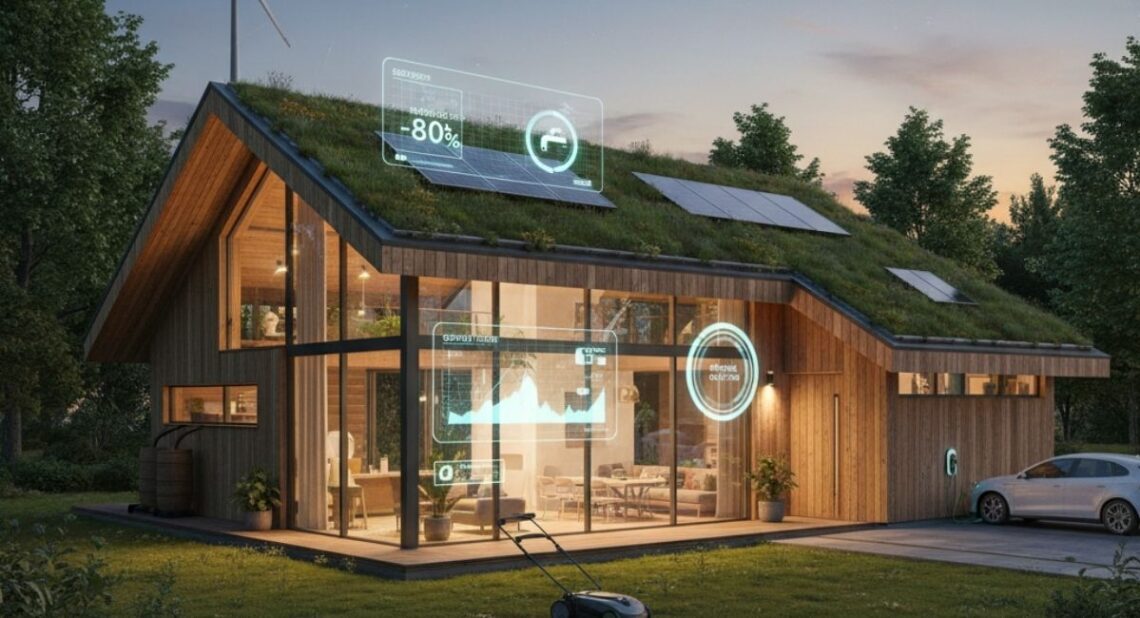
Technology has become an inseparable part of modern living. We rely on it to communicate, cook, work, and even rest. Over the past decade, the relationship between technology and environmental awareness has deepened, giving rise to a movement that redefines how we live inside our homes. The concept of a smart home is no longer limited to convenience or luxury. It now stands at the intersection of innovation and sustainability, showing that the future of green living is not about restriction but about intelligent adaptation.
A smart home is more than a network of devices. It’s a home that learns from your habits, adjusts automatically to your comfort, and minimizes waste in the process. It’s a space where every light, thermostat, and appliance contributes to a bigger purpose reducing energy consumption, conserving water, improving air quality, and building a lifestyle that respects the planet.
As environmental challenges grow and people seek real solutions, smart home sustainability has become one of the most promising directions for eco-friendly progress. It connects technology with conscious living in a way that feels natural and achievable.
The Core of a Smart and Sustainable Home
A traditional home reacts only when we act. We turn switches on, adjust thermostats, and water our lawns without much thought about efficiency. A smart home, on the other hand, anticipates and responds. It uses sensors, automation, and data to operate with precision.
Imagine this: the lights automatically dim when the sun brightens the room, the air conditioner lowers its activity when the house is empty, and sprinklers pause because it rained earlier that morning. None of these tasks require constant input. They happen because your home understands its environment.
At its heart, smart home sustainability is about making every watt, drop, and resource count. It’s not about adding gadgets; it’s about integrating intelligence into your living space so that sustainability becomes effortless.
How Smart Homes Support Sustainable Living
Sustainability in a smart home is not a single feature but a combination of interlinked systems. These systems gather data, make predictions, and act autonomously to reduce waste. Here’s how each part contributes to a more sustainable home environment.
Smart Energy Management
One of the most significant advantages of a smart home is energy optimization. Smart thermostats analyze your routines, weather data, and occupancy patterns to regulate temperature efficiently. This simple automation can reduce heating and cooling bills by up to 25 percent annually. Smart plugs and energy monitors help identify hidden energy drains, known as phantom loads, that continue consuming electricity even when devices are turned off.
Efficient Lighting Systems
Smart lighting is an easy entry point for sustainable automation. Lights can adjust based on natural daylight, occupancy, and even personal preferences. Combining these systems with LED bulbs further reduces energy use. You can take it further by integrating techniques from natural lighting ideas to save energy to balance artificial and natural illumination effectively.
Water Conservation and Monitoring
Water scarcity is an increasing concern, and smart homes are addressing it with innovation. Smart irrigation systems measure soil moisture and use local weather forecasts to determine when watering is actually needed. Leak detectors instantly notify homeowners when pipes or faucets drip, preventing gallons of wasted water. For additional water-saving habits, explore simple ways to save water at home.
Smart Appliances That Reduce Waste
Modern appliances equipped with smart sensors optimize their operation according to load and usage. Washing machines adjust water levels based on the weight of clothes, and refrigerators can remind you about expiring food, cutting food waste significantly. These features make everyday routines both efficient and environmentally mindful.
Integration with Renewable Energy Systems
A truly sustainable smart home embraces renewable energy sources like solar panels and battery storage. Intelligent energy management systems can shift power consumption to periods when solar output is highest, making the most of clean energy production. To learn how to begin integrating renewable systems, see solar energy for beginners.
Air Quality and Wellness Technologies
Smart ventilation, air purifiers, and CO₂ monitors now play an important role in healthy living. These systems track indoor air quality and respond instantly to pollutants, allergens, or humidity changes. A healthier indoor environment aligns perfectly with sustainable goals since it minimizes the need for chemical-based air fresheners. For natural alternatives, try ideas from DIY natural air fresheners and consider adding indoor plants for clean air and style.
Waste Sorting and Recycling Automation
Emerging technologies like smart bins can help identify recyclable materials and record your waste habits. Over time, this data encourages households to reduce unnecessary packaging and adopt more mindful consumption patterns.
Each of these systems contributes to a home that doesn’t just conserve energy and water but also improves comfort, convenience, and well-being.
Step-by-Step Guide to Building a Sustainable Smart Home
Below is a simple manual-style table to help you plan and implement your own eco-automated smart home efficiently.
| Step | Feature | Estimated Cost | Main Benefit | Practical Tip |
| 1 | Smart thermostat | $150–$250 | Lowers heating/cooling use | Schedule based on daily habits |
| 2 | Smart LED lighting | $100–$300 | Cuts electricity up to 40% | Sync with daylight sensors |
| 3 | Energy monitoring plugs | $25–$60 | Tracks phantom loads | Use for entertainment systems |
| 4 | Smart irrigation | $200–$400 | Saves outdoor water | Pair with weather updates |
| 5 | Leak detection sensors | $40–$80 | Prevents hidden water loss | Install near kitchen or basement |
| 6 | Solar power integration | $8,000–$12,000 | Generates clean energy | Add a battery system for storage |
| 7 | Smart blinds and shades | $150–$300 | Improves indoor temperature balance | Set to open with sunrise |
| 8 | Smart appliance upgrade | Varies | Optimizes water and power | Choose energy-efficient models |
| 9 | Air quality monitoring | $100–$250 | Ensures healthier air | Combine with natural air purifiers |
| 10 | Home automation hub | $100–$250 | Centralizes device control | Choose one that supports multiple brands |
By following these steps gradually, you can transform any home into an intelligent, sustainable ecosystem.
Long-Term Benefits of Smart Home Sustainability
When people think of sustainability, they often focus on environmental impact alone. Smart homes, however, also bring social and financial benefits. The cost savings on utilities are often immediate, but the long-term advantages extend further.
Lower Utility Bills
Smart energy systems significantly cut monthly expenses. Over a few years, these savings can offset initial installation costs entirely.
Healthier Living Environment
Clean air, balanced humidity, and temperature control contribute to overall wellbeing. Many homeowners report better sleep and fewer allergies after installing air quality systems.
Higher Property Value
Houses with smart technologies attract buyers faster and often sell at premium prices. Green certifications and energy ratings are becoming valuable real estate assets.
Environmental Protection
Reduced carbon emissions and lower water waste contribute directly to climate goals. The collective impact of multiple smart homes creates measurable progress toward global sustainability.
Community Benefits
When neighborhoods adopt smart technologies collectively, the energy grid becomes more stable. Shared solar systems, coordinated power demand, and community data analytics promote regional resilience.
Real Challenges and Simple Solutions
While the benefits of smart home sustainability are clear, it’s equally important to address the challenges that come with implementation.
Initial Cost Concerns
Smart devices can be expensive, but starting small is often more effective. Begin with a few devices, such as smart bulbs or thermostats, and expand gradually as savings accumulate.
Data Security and Privacy
As homes become connected, safeguarding data becomes essential. Use strong passwords, regular updates, and trusted brands to protect personal information.
Technology Overload
Too many devices can feel overwhelming. Choosing compatible systems that connect under one platform simplifies control. A unified interface also makes automation easier for every family member.
Adaptation and Learning Curve
Some homeowners hesitate because they fear complex setup. However, most modern smart systems are designed to be intuitive. With simple voice commands or mobile apps, users can learn to manage them in minutes.
For practical tips on building eco-friendly routines alongside smart systems, check simple eco-friendly habits to start today and why sustainable living is easier than you think.
The Economic Value of Eco Automation
Let’s take a look at how smart technologies provide measurable returns.
| Smart Upgrade | Average Investment | Annual Savings | Payback Period | Environmental Advantage |
| Smart thermostat | $200 | 20% lower HVAC bills | 1–2 years | Cuts CO₂ emissions |
| Smart lighting | $250 | 25–35% lower lighting cost | 1–3 years | Lowers grid demand |
| Smart irrigation | $300 | 30–50% water savings | 2–3 years | Reduces water waste |
| Solar with battery | $10,000+ | Up to 60% energy independence | 6–8 years | Uses renewable energy |
| Smart appliances | $1,000–$3,000 | 10–20% lower utility cost | 3–5 years | Conserves resources |
Even though the payback time differs, these systems deliver long-term financial and ecological value.
The Future of Smart and Sustainable Living
The future of smart homes lies in greater integration and intelligence. Artificial intelligence is already being used to predict energy needs and adjust consumption automatically. Soon, smart homes will be able to communicate directly with smart grids, balancing electricity usage across entire neighborhoods.
As technology evolves, eco automation will include water recycling systems, greywater reuse, and predictive maintenance for appliances to extend their lifespan. Even waste management is expected to become more intelligent through community-based recycling hubs powered by data.
These advancements point to a world where homes are not just efficient but also regenerative — giving back more to the environment than they take. This approach turns living spaces into partners in sustainability rather than passive consumers.
Frequently Asked Questions about Smart Home Sustainability
1. Are smart homes only for new houses?
No, existing homes can easily be upgraded with smart devices. Retrofitting options such as smart plugs, thermostats, and lighting systems make sustainability accessible to everyone.
2. Can smart homes really reduce carbon emissions?
Yes. By optimizing energy and resource use, smart systems significantly cut carbon output. Homes with solar integration can become nearly carbon neutral.
3. What are the easiest smart upgrades for beginners?
Start with smart lighting, thermostats, and power strips. These offer fast results and are simple to install without professional help.
4. How do smart homes improve health?
They maintain cleaner air, regulate temperature, and control humidity, which helps prevent allergies and respiratory issues.
5. Is the data from smart devices private?
Reputable brands use encryption and secure servers. Homeowners should maintain privacy through strong passwords and routine software updates.
6. What role does renewable energy play in smart homes?
Solar and wind integration allow homes to store and manage clean energy efficiently, reducing dependency on fossil fuels.
7. Can smart homes help save money immediately?
Yes. Many devices, such as smart thermostats and lighting, provide noticeable savings within the first few months.
8. How can I make my home greener beyond smart tech?
Combine automation with sustainable habits. Use eco-friendly cleaning products, DIY natural air fresheners, and energy-saving devices to build a truly eco-conscious home.
Final Thoughts
The rise of smart homes represents a powerful evolution in how we approach sustainability. Instead of treating eco-friendly living as a challenge, technology has made it intuitive and rewarding. Smart systems eliminate waste, enhance comfort, and protect the environment through data-driven precision.
A home that learns, adapts, and conserves is more than a place to live it’s a model for a sustainable future. By adopting smart home sustainability practices, you become part of a global movement that values intelligence, responsibility, and balance.
As technology continues to evolve, the connection between comfort and conservation will grow even stronger. Smart homes are not just about gadgets; they are about creating harmony between humans and the planet. For more guides on sustainable living, visit Aqua Wellness Hub and explore articles like best DIY projects to make your home greener and top energy-saving devices for every home.