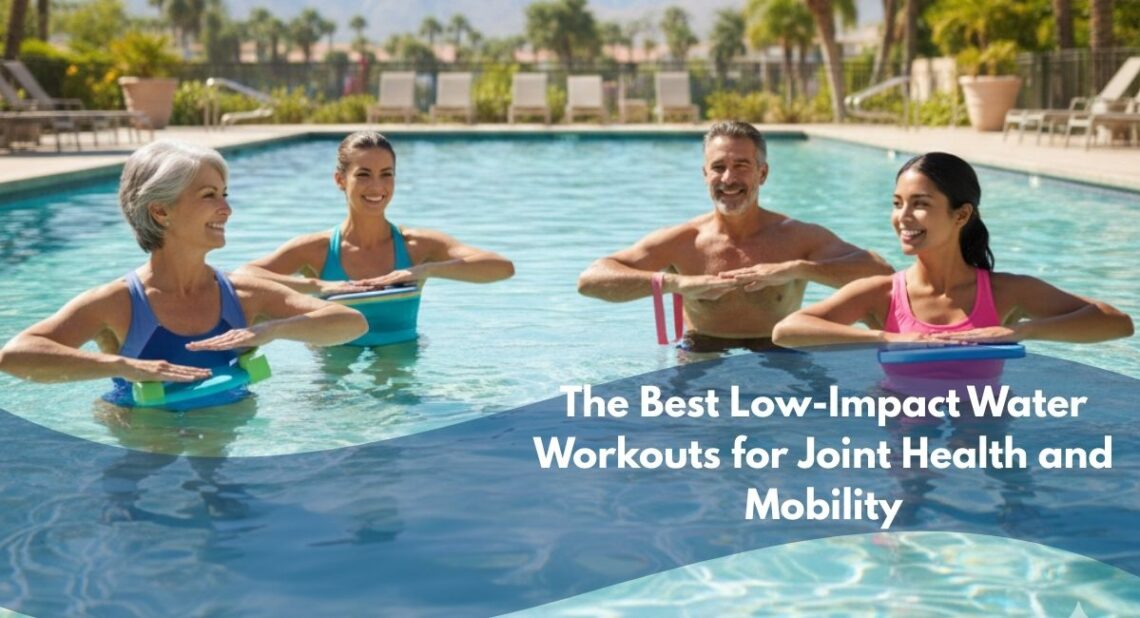
Supporting joint comfort is one of the most reliable ways to stay active for life. Many people turn to water workouts for joint health because the water supports the body and removes the pounding that land exercises often create. This makes aquatic exercise for mobility a solid option for people dealing with stiffness, soreness, or limited range of motion. Water also provides a gentle resistance that increases muscle strength without harsh force on the joints. When it comes to maintaining long-term movement, few fitness routines offer the blend of safety, variety, and effectiveness that water based sessions provide.
This guide takes a close look at the best low-impact swimming exercises, pool routines, and joint friendly workouts that help adults of all ages stay active. You will also find practical advice, technique tips, and a manual style table to help you build a plan that fits your body and your goals. These methods work well for beginners, active adults, older adults seeking water fitness for seniors, athletes who need recovery time, and anyone interested in boosting comfort while reducing stress on their joints.
Along the way, you will also see helpful internal resources related to everyday wellness, sustainable living, hydration, and home comfort. Topics like staying hydrated for mental clarity, building a greener home, and choosing eco-friendly habits pair naturally with a healthy routine. If you enjoy lifestyle balance, you may also like guides such as simple eco friendly habits to start today. For now, let us dive into the water workouts that support mobility and comfort.
Why Water Workouts Support Joint Health
People often hear that water is good for the joints, yet they may not understand why. Aquatic exercise for mobility brings unique advantages that come from buoyancy, hydrostatic pressure, and the natural resistance of water. These forces work together in ways that land training cannot offer.
Buoyancy helps reduce pressure on the joints. When you enter waist deep or chest deep water, your body weight effectively decreases. This reduces the stress on knees, hips, back, and ankles. Someone who normally experiences soreness during walking or jogging can move more freely in the pool because the water carries a portion of their weight.
Water resistance helps muscles strengthen without strain. Moving the limbs through water requires more controlled effort, which activates stabilizing muscles. Since the resistance is gentle and multidirectional, it builds strength evenly. This supports balance and joint alignment over time.
Hydrostatic pressure helps circulation. Water creates a gentle compression around the body. This may help reduce swelling in the lower limbs, which is helpful for anyone dealing with discomfort from arthritis, old injuries, or long workdays.
These combined effects make water workouts for joint health one of the most supportive and adaptable forms of exercise available today.
Warm Up and Preparation
Before starting any pool routine, warming up helps prepare the body. You can begin with simple steps:
- Walk slowly in the shallow end for 3 to 5 minutes
- Swing arms gently forward and back
- Roll shoulders through a comfortable range
- Practice slow ankle circles and hip circles
- Try light breathing exercises to relax the upper body
These movements ease stiffness and help you tune in to how your body feels before beginning your workout. They also reduce the risk of sudden tension or missteps.
If you want ideas for improving wellness outside your workouts, you might enjoy lifestyle guides such as hydration and mental clarity or immune boosting wellness. A well-rounded approach makes your exercise routine more sustainable.
Top Low-Impact Water Workouts for Joint Health and Mobility
Below are several of the most approachable, effective, and joint friendly workouts. These routines are suitable for beginners and seasoned exercisers who want to maintain or rebuild mobility.
1. Water Walking and Jogging
Walking or jogging in the water is far easier on the joints than doing these activities on land. Even slow walking increases circulation, strengthens leg muscles, and improves balance. You can adjust speed and direction to increase intensity or work different muscle groups.
Tips for better results:
- Keep posture tall
- Let arms move naturally for a gentle upper body workout
- Take longer strides for hip mobility
- Walk sideways or backward to challenge balance
Water jogging in the deep end using a floatation belt is ideal for people with knee or hip discomfort. Your joints experience almost no impact while the water still provides resistance.
2. Pool Cycling
Pool cycling mimics the motion of riding a bike but with the added support of water. You can hold the pool wall, float, or use a noodle under your arms.
This activity strengthens the quadriceps, hamstrings, and glutes. It also keeps the hips mobile without creating pressure on the knees.
To increase intensity, cycle faster or move to deeper water. If you want to pair your workouts with eco conscious living ideas, check out guides such as simple ways to save water at home. These small lifestyle changes help you feel more balanced overall.
3. Standing Leg Lifts and Side Raises
These are traditional physical therapy movements that work very well in the pool. The water reduces pressure while providing enough resistance to build stability.
You can try:
- Side leg lifts
- Forward leg lifts
- Hip circles
- Gentle kickbacks
Stay close to the pool wall for support, especially if your balance varies day to day. Aim for slow, controlled movement.
4. Arm Circles and Resistance Work
The upper body often gets less focus in pool workouts, yet joint comfort in the shoulders, elbows, and wrists matters for daily life. Water resistance helps strengthen the smaller stabilizers that support these joints.
Movements to try:
- Slow arm circles
- Underwater arm presses
- Forward and backward sweeps
- Water dumbbell curls
- Chest squeezes with a foam noodle
These help improve shoulder stability and posture. If you like hands on projects for home well-being, you may find inspiration from best DIY projects to make your home greener.
5. Flutter Kicks and Core Work
Core stability improves joint alignment throughout the body. The pool is an excellent setting to work the core because the water encourages deeper muscle engagement.
You can hold the pool wall, rest on a noodle, or float on your back while performing flutter kicks. Slow kicks target the lower abs, while controlled scissor kicks strengthen the hips.
Other core movements:
- Standing knee lifts
- Tuck and float movements
- Gentle twists from side to side
People dealing with back discomfort often prefer water core exercises because the buoyancy reduces tension.
6. Low-Impact Swimming Exercises
Swimming is a classic choice for joint comfort, though the style you choose matters. Some strokes place less stress on the joints than others.
Gentler styles include:
- Backstroke
- Sidestroke
- Freestyle with slow pacing
Breaststroke can be comfortable for some people but irritating for others with knee issues. The best approach is to test strokes slowly and notice how your body responds.
If you enjoy sustainability topics related to swimming environments or home comfort, you might also explore guides like top benefits of gardening for mental health. Caring for your space supports overall wellness.
7. Balance and Mobility Drills
Mobility means more than movement. It also includes control, balance, and coordination. Water is ideal for this because even slight shifts in movement create a gentle challenge.
Try these simple drills:
- Stand on one leg with light arm sweeps
- Step side to side in a slow pattern
- Practice slow squats with arms extended
- Walk in a figure eight shape through chest deep water
The water keeps you safe while the body learns how to stabilize more effectively.
A Practical Manual Style Table for Your Pool Routine
This table offers a simple reference you can print or save. It includes suggested exercises, intensity tips, and estimated benefits.
| Workout Type | What It Helps | How To Increase Challenge | Ideal For |
| Water walking | Hip and knee mobility, circulation | Walk faster or add backward walking | Beginners, older adults |
| Pool cycling | Leg strength and hip comfort | Cycle in deeper water or faster pace | Knee pain, post rehab |
| Arm resistance | Shoulder stability and upper body tone | Larger arm sweeps or water dumbbells | Desk workers, seniors |
| Flutter kicks | Core strength and posture | Try scissor kicks or longer sets | Back support, athletes |
| Balance drills | Stability and coordination | Slow movements or one leg stance | Fall prevention, older adults |
| Low-impact swimming | Full body movement and endurance | Longer laps or varied strokes | General fitness, joint discomfort |
This table simplifies routine planning while helping you track your personal goals.
Tips for Safe and Effective Water Workouts
While water is a gentle environment, thoughtful habits help you get more from each session.
Start slow and check your comfort level. Even though the water reduces joint stress, your muscles still work. Begin with short sessions and build gradually.
Focus on smooth movement instead of speed. Rushing in the pool can strain the neck, shoulders, or lower back. Controlled movement has more long term benefit.
Stay hydrated. Many people forget to drink water during pool workouts because they do not feel sweaty. Hydration supports joint comfort and mental clarity. If you want to understand hydration beyond fitness.
Use gear if needed. Float belts, noodles, and water dumbbells make some movements easier and others more effective. There is no pressure to do everything without support.
Pay attention to your posture. Keeping the spine aligned reduces unnecessary strain.
Balance exercise with rest. Even low-impact sessions require recovery. Stretching in the water is also helpful.
Creating a Weekly Routine
A simple weekly plan might look like this:
- Monday
Water walking for 20 minutes
Arm circles and underwater presses for 10 minutes - Wednesday
Pool cycling for 15 minutes
Flutter kicks and core work for 10 minutes - Friday
Light swimming for 20 minutes
Balance drills for 10 minutes
You can adjust time and intensity to your needs. This approach keeps your joints moving regularly without overworking them.
If you value energy efficient routines and home wellness as part of your lifestyle, consider related guides such as solar energy for beginners. These ideas keep your environment as supportive as your fitness plan.
How Water Workouts Support Long-Term Mobility
Consistency matters for maintaining comfortable movement. Regular aquatic exercise may help support:
- Better walking ability
- Lower stiffness after long periods of sitting
- Improved balance
- Increased muscle endurance
- Greater confidence in daily movement
Water fitness for seniors is becoming more popular because it supports movement in ways that feel safe and enjoyable. Younger adults also benefit because joint friendly workouts help prevent overuse stress.
Over time, you might notice that activities like gardening, carrying groceries, or climbing stairs feel easier. Well planned aquatic exercise for mobility supports every area of life.
If gardening is one of your preferred ways to stay active, you may also like insights from top benefits of gardening for mental health.
Supportive Habits Outside the Pool
While water workouts are powerful, daily habits help your results last longer.
Hydrate consistently. Proper hydration supports joint lubrication. Many people do not realize how much hydration affects mental clarity and physical energy.
Get natural sunlight. Exposure to natural light helps mood and sleep cycles. If you want ideas for making your home brighter without using extra electricity, you might enjoy natural lighting ideas to save energy.
Create a calming environment. Indoor plants, natural scents, and clean air support body recovery. For inspiration, explore DIY natural air fresheners.
Move your joints throughout the day. Simple stretches during work breaks prevent stiffness.
Use eco friendly cleaning and living habits. A healthier environment supports a healthier body. Resources like best eco friendly cleaning products in 2025 pair well with active living.
Trending FAQ
Are water workouts enough for complete fitness?
For many adults, yes. Water workouts support strength, mobility, endurance, and balance. If you enjoy land exercise too, you can mix them. The water reduces stress while still giving the body enough challenge to grow stronger.
Can people with arthritis benefit from these workouts?
Many people with arthritis find water exercise helpful because buoyancy eases joint pressure. Slow and controlled movement is recommended. Always start with gentle exercises and increase gradually.
How often should I do aquatic exercise for mobility?
Two to four sessions per week is a common range. Even short sessions of 20 to 30 minutes can support better movement.
Do I need to know how to swim?
No. Many effective water workouts for joint health take place in the shallow end. Walking, leg lifts, balance drills, and arm exercises do not require swimming skills.
Are water dumbbells necessary?
They are helpful but not required. Water resistance alone is enough for beginners. Dumbbells can add variety later if you want more challenge.
Is warm water better for joint comfort?
Warmer pools often feel more soothing for stiff joints. Many therapy pools maintain warmer temperatures for this reason. But standard pools still work very well for mobility and overall fitness.
Final Words
Water workouts for joint health offer a reliable path to movement that feels comfortable, supportive, and sustainable. Whether you prefer gentle walking, low-impact swimming exercises, balance drills, or resistance work, the pool creates an environment where your joints can move with less strain. The routines shared here help improve mobility, strength, posture, and overall comfort in daily life.
Pairing these workouts with simple habits like hydration, natural lighting, clean air, and eco conscious choices makes your wellness routine even stronger. If you enjoy building a healthier lifestyle step by step, you will find plenty of supportive ideas throughout guides such as why sustainable living is easier than you think, and many others on the site.
With consistency and patience, water based exercise can help you move with more freedom and confidence. The pool can become a place where your body feels supported, your joints feel lighter, and your energy stays steady throughout your day.