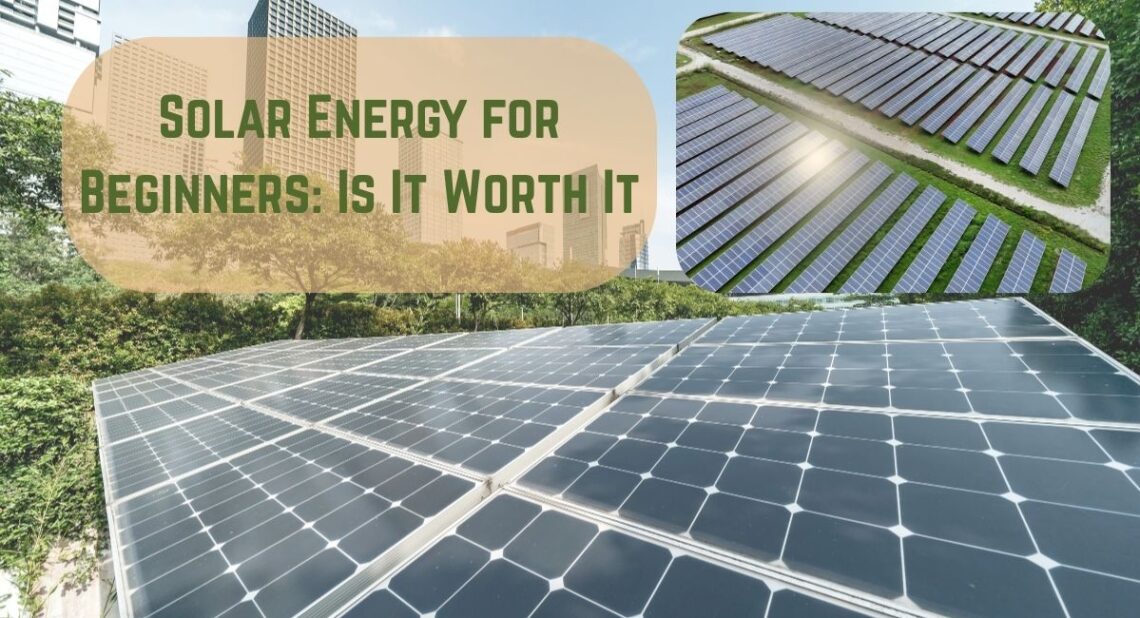
For many homeowners today, the idea of switching to solar energy sounds appealing yet uncertain. You might have seen panels on rooftops in your neighborhood or heard friends talk about cutting their electricity bills in half. Still, you might wonder whether solar power truly makes sense for your home. This guide explores solar energy for beginners in a detailed, easy-to-understand way, helping you decide if solar panels are worth the investment in 2025.
Understanding Solar Power for Home Use
Solar power for home use means capturing sunlight and converting it into electricity for your household. The process may sound technical, but it’s quite straightforward once you understand the components. A typical residential solar system consists of several key parts that work together to produce power efficiently.
- Solar panels are installed on your roof or in your yard to absorb sunlight. They use photovoltaic cells that convert sunlight into direct current (DC) electricity.
- An inverter changes that DC electricity into alternating current (AC), which powers appliances and devices inside your home.
- Mounting equipment secures the panels safely in place.
- A monitoring system tracks your system’s energy production.
- An optional solar battery stores extra electricity for nighttime or cloudy days.
- A net meter measures how much electricity you consume and how much you send back to the utility grid.
When the sun shines, your system generates energy that can power lights, appliances, and air conditioning. If you produce more electricity than you use, it can be stored in a battery or credited to your account by your utility company. That credit reduces your future electricity bills and makes your system even more cost-effective.
Why Homeowners Are Choosing Solar Energy in 2025
Solar energy adoption has grown rapidly across the United States because it makes both environmental and financial sense. As technology improves and prices continue to drop, more families are finding that solar panels are a practical and rewarding investment.
Lower Electricity Bills and Long-Term Savings
The most immediate benefit of solar energy is savings on your monthly utility bills. When you generate your own power, you purchase less electricity from your provider. This protection from fluctuating energy prices gives you more financial stability. Depending on your energy usage and system size, many homeowners save thousands of dollars over the life of their solar system.
If you also use energy-saving devices and smart home systems, those savings can increase even further. Aqua Wellness Hub’s post on top energy-saving devices for every home provides great ideas to enhance the efficiency of your new solar setup.
Cleaner, Greener Living
Solar panels offer one of the cleanest forms of energy available. Unlike electricity generated from coal or natural gas, solar power produces no emissions once installed. Every kilowatt-hour of solar energy generated at home helps reduce carbon dioxide and other harmful pollutants. It’s a powerful way to take personal action against climate change while setting an example for your community.
If you are interested in improving sustainability at home, you might enjoy Aqua Wellness Hub’s guide on simple eco-friendly habits to start today. It pairs well with the principles of solar living.
Energy Independence and Security
In recent years, severe storms and grid outages have left many families without power for hours or even days. A home solar system with battery storage provides backup energy when the grid goes down. This independence is one of the most appealing aspects of modern solar technology. By producing and storing your own electricity, you protect your household from rising energy costs and unpredictable outages.
Higher Property Value
Homes with solar panels often sell faster and at higher prices compared to similar non-solar homes. Buyers are attracted to the long-term savings and energy independence that come with a solar installation. For homeowners planning to sell in the future, solar energy can serve as both a sustainable choice and a profitable investment.
Government Incentives and Tax Credits
Federal and state programs continue to make solar power more affordable. The federal investment tax credit (ITC) allows you to deduct up to 30 percent of the cost of installing solar panels from your federal taxes. Many states also offer additional rebates or performance-based incentives. These programs lower the overall cost and shorten the time it takes to recover your investment.
Assessing If Solar Is Right for Your Home
Before you make a decision, take a careful look at your home’s physical features, your electricity use, and your financial goals. Not every property is suitable for solar power, but most can benefit in some way with proper planning.
Here are the main factors to evaluate:
- Sunlight exposure: Homes with roofs that face south or southwest usually get the best results.
- Roof condition: A roof that is old or damaged should be repaired before installing panels.
- Available space: Solar systems need sufficient area free of vents, skylights, or chimneys.
- Shading: Trees, tall buildings, or nearby structures can reduce efficiency.
- Local rates: Higher electricity prices increase potential savings.
- Incentives: Available rebates and credits make the system more affordable.
Here is a practical guide to help you evaluate whether solar fits your situation:
| Step | What to Examine | Why It Matters |
| 1 | Review past 12 months of energy bills | Determines average usage in kWh |
| 2 | Assess roof angle and orientation | Affects solar exposure |
| 3 | Inspect roof condition | Prevents costly future repairs |
| 4 | Check for shading from trees or structures | Impacts system output |
| 5 | Estimate local sunlight hours | Helps predict performance |
| 6 | Compare local electricity rates | Determines payback potential |
| 7 | Research local incentives and credits | Reduces installation cost |
After this assessment, you’ll have a clearer picture of your home’s potential for solar energy and the likely savings you can expect.
What Does Solar Power for Home Use Cost?
One of the most common questions about solar power is how much it costs. Prices have dropped significantly over the last decade, and installation has become more efficient. Still, the total investment depends on several variables, including system size, equipment type, and your location.
Below is an updated estimate for 2025 that shows how system size affects cost and potential savings:
| System Size | Average Gross Cost | Federal Tax Credit (30%) | Estimated Net Cost | Annual Savings |
| 5 kW | $15,000 | $4,500 | $10,500 | $600–$1,000 |
| 8 kW | $24,000 | $7,200 | $16,800 | $900–$1,500 |
| 10 kW | $30,000 | $9,000 | $21,000 | $1,200–$2,000 |
The payback period, which is the time it takes for your savings to equal your initial investment, generally ranges from seven to twelve years. After that, most of your electricity is essentially free for the life of the panels.
Financing options have also expanded, allowing homeowners to pay for solar in different ways. Some pay upfront for the best long-term returns, while others choose solar loans or leases to reduce upfront costs. Each option has its advantages, so it’s wise to discuss them with your installer and financial advisor.
The Role of Solar Battery Storage for Home Systems
In the early days of residential solar, excess energy was simply sent back to the grid. Today, battery storage allows homeowners to store that power for later use. This technology is especially useful during nighttime or power outages.
Benefits of adding battery storage:
- Provides backup power during grid failures
- Reduces dependence on utilities
- Increases self-consumption of solar energy
- Helps manage time-of-use electricity rates
- Adds peace of mind for families in storm-prone areas
However, there are factors to consider before adding a battery. The upfront cost can be significant, and batteries typically need replacement after 10 to 15 years. Maintenance and space requirements should also be discussed with your installer. Even so, battery systems are becoming more efficient and affordable each year, making them a strong choice for homeowners who value energy security.
The Residential Solar Installation Guide 2025
Installing a home solar system involves careful planning but follows a logical process. Here’s a step-by-step outline of what you can expect from start to finish.
Step 1: Understand your energy needs
Gather your utility bills from the past year to see how much electricity you use monthly. Identify patterns, such as seasonal peaks, and consider ways to reduce unnecessary consumption before sizing your solar system.
Step 2: Evaluate your roof
Check your roof’s condition, slope, and exposure. Roofs that face south or west typically receive the most sunlight. Make any necessary repairs before installation to avoid future problems.
Step 3: Request multiple quotes
Compare proposals from at least three certified solar installers. Review the equipment brands, efficiency ratings, warranties, and projected energy production. Also, check online reviews and customer feedback for each company.
Step 4: Explore financing options
Choose between cash purchase, solar loans, leases, or power purchase agreements. Each method impacts ownership, savings, and maintenance responsibility differently. Ownership generally offers the highest returns over time.
Step 5: Design and permits
Your installer will design the system layout and handle necessary permits with your local building authority and utility provider. This ensures your installation meets safety and electrical standards.
Step 6: Installation and inspection
Once permits are approved, installation usually takes one to three days. Afterward, an inspector verifies that the system complies with codes and regulations.
Step 7: System activation
After the inspection, your solar system is connected to the grid and begins generating power. Monitoring apps allow you to track performance in real time.
Step 8: Maintenance and monitoring
Solar panels require minimal maintenance. Keep them free from dust, debris, or snow buildup. Check inverter readings periodically to ensure the system operates efficiently. Panels typically come with warranties of 25 years or longer.
For homeowners who enjoy hands-on projects, Our article on best DIY projects to make your home greener offers simple ways to enhance the benefits of your solar investment.
When Solar May Not Be the Best Fit
Solar energy is an excellent solution for many homes, but it’s not ideal for everyone. If your roof is shaded most of the day or you plan to move within a few years, you might not see the full return on your investment. In regions with very low electricity rates, the financial benefits can also be smaller. Additionally, if your roof is small or poorly oriented, you may not have enough space for the necessary number of panels.
In these cases, you can still support sustainability in other ways. Consider using energy-efficient lighting, smart thermostats, or learning from Aqua Wellness Hub’s guide on why sustainable living is easier than you think.
Solar Energy as Part of a Greener Lifestyle
Solar power is most effective when combined with other sustainable living choices. Small actions can complement the benefits of your system and help you make your home more environmentally friendly. Using eco-friendly cleaning products, reducing water waste, and improving insulation can significantly reduce your household’s environmental footprint.
If you are interested in creating a holistic green home, you might also explore simple ways to save water at home or DIY natural air fresheners from Aqua Wellness Hub. Together, these efforts create a lifestyle that is healthier, cleaner, and more cost-effective.
Frequently Asked Questions About Solar Energy for Beginners
How many solar panels do I need for my house?
The number depends on your energy use, panel wattage, and available roof space. A home that uses 10,000 kilowatt-hours per year may need around 20 panels rated at 400 watts each. Your installer can design the exact layout based on your specific needs.
Can solar power my entire home?
Yes, in many cases it can. With proper sizing and sufficient sunlight, solar systems can cover 100 percent of your annual energy usage. If you add battery storage, you can also have backup power during outages.
Do solar panels work during cloudy days?
Yes, they still generate electricity, though at reduced efficiency. Even indirect sunlight produces some power. Modern panels are designed to perform well under various weather conditions.
How long do solar panels last?
Most panels last between 25 and 30 years. They continue generating electricity even after that, though at slightly reduced output.
Do I need solar batteries?
Batteries are optional. If your goal is to lower bills and your utility offers net metering, you may not need one immediately. However, if you live in an area prone to power outages, a battery provides valuable independence and reliability.
How much maintenance is required?
Solar systems are very low-maintenance. Cleaning the panels a few times a year and checking for debris or shading is usually sufficient. The inverter may need replacement after 10 to 15 years.
Will solar panels damage my roof?
When installed properly, solar panels do not damage roofs. They are mounted with protective hardware that prevents leaks and distributes weight safely. In many cases, panels can even extend the roof’s lifespan by shielding it from direct sunlight.
How soon will I start saving money?
You’ll notice savings on your very first bill after activation. Over time, those savings compound, eventually surpassing your initial investment.
Can renters use solar energy?
Yes, renters can participate through community solar programs that allow individuals to subscribe to local solar farms and receive bill credits for their share of the power generated.
The Final Verdict: Is Solar Energy Worth It?
Solar energy has moved from being a niche technology to a mainstream home improvement choice. For most homeowners, solar panels are worth the investment because they reduce electricity bills, lower carbon footprints, and add property value. The key is to approach solar with good planning and realistic expectations.
Evaluate your roof, understand your energy needs, and research local incentives. Work with reputable installers and take advantage of professional assessments. When you combine solar panels with everyday sustainable practices, such as using energy-efficient appliances and reducing waste, the benefits multiply.
For households that plan to stay in their homes long-term, solar energy delivers both financial and environmental rewards. It is not just about saving money but about creating a more independent and sustainable lifestyle for the years ahead.
By exploring green energy solutions for homes today, you’re investing in a cleaner tomorrow. Whether you start with a full solar system or begin with smaller eco-friendly steps, every change matters. Solar energy is not just a trend; it’s a practical way to take control of your home’s power, reduce costs, and contribute to a healthier planet for future generations.