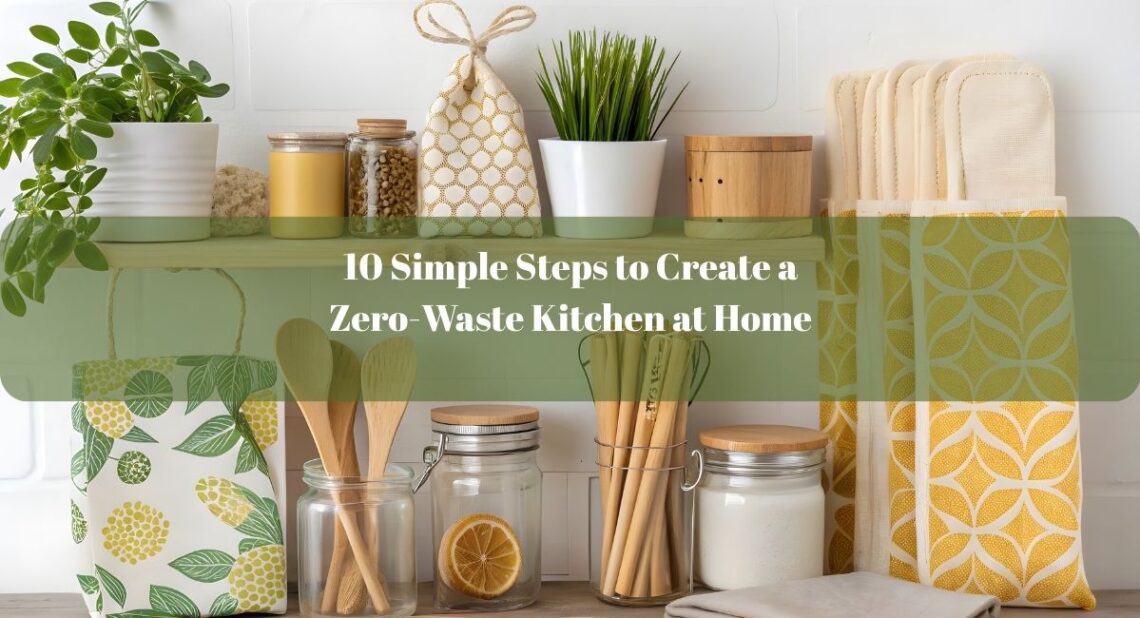
Creating a zero-waste kitchen is more than a trend; it is a practical approach to reducing waste, saving money, and living more sustainably. By focusing on eco-friendly habits, plastic-free alternatives, and mindful consumption, homeowners can create kitchens that are both functional and environmentally conscious. Many people start small, gradually replacing single-use items with reusable solutions, and see significant results over time. A zero-waste kitchen encourages thoughtful organization, reduces unnecessary clutter, and helps families adopt eco cooking habits that last.
Step 1: Audit Your Kitchen Waste
Before making changes, it’s essential to understand what you are throwing away. Spend a week tracking the waste generated from packaging, food scraps, and disposable items. Categorize waste into plastics, metals, food waste, and recyclables. This helps identify priority areas for reduction and makes adopting a zero-waste system more manageable.
Waste Audit Table Example:
| Waste Type | Weekly Volume | Source | Reduction Strategy |
| Plastic | 3 bags | Packaging, bottles | Use reusable containers, buy bulk |
| Food scraps | 5 lbs | Leftovers, peelings | Compost, meal planning |
| Paper products | 2 rolls | Towels, napkins | Switch to cloth alternatives |
| Metal & glass | 1 bag | Cans, jars | Reuse jars, recycle properly |
This table provides a clear roadmap and allows for tracking progress as you implement changes.
Step 2: Choose Reusable Storage Solutions
Plastic containers and single-use bags dominate many kitchens, but there are better alternatives. Reusable glass jars, silicone bags, and stainless-steel containers can store everything from dry goods to leftovers. Mason jars are versatile, serving as storage for grains, snacks, and even as drinking glasses.
Tips for storage:
- Label jars with contents and expiration dates.
- Use stackable containers to maximize space.
- Keep frequently used items accessible to reduce reliance on disposable packaging.
Replacing disposable storage with reusable options reduces landfill waste and creates a visually organized kitchen.
Step 3: Shop Smart and Buy in Bulk
One of the largest contributors to kitchen waste is packaging. Choosing bulk items and products with minimal packaging significantly reduces single-use plastics. Bring your own reusable bags, jars, and containers when shopping for grains, legumes, nuts, and spices. Many stores now allow customers to fill containers directly, eliminating the need for pre-packaged items.
Tips for zero-waste shopping:
- Make a shopping list to avoid impulse purchases.
- Choose products with compostable or recyclable packaging.
- Support local farmers’ markets for fresh produce with less plastic waste.
Adopting these habits also promotes a more intentional approach to meal planning and eco cooking.
Step 4: Compost Food Waste
Food waste contributes heavily to household trash. Instead of sending peels, cores, and spoiled food to landfills, start a composting system. Composting turns organic waste into nutrient-rich soil for gardens or houseplants. Even small apartments can compost with indoor bins, vermicomposting, or bokashi methods.
Benefits of composting:
- Reduces methane emissions from landfills.
- Provides fertilizer for plants.
- Encourages mindful consumption and reduces food waste.
Begin with simple steps: place vegetable scraps in a compost bin and gradually include coffee grounds, eggshells, and other organic material.
Step 5: Eliminate Single-Use Plastics
Plastic bags, cling film, and disposable cutlery are major contributors to kitchen waste. Switching to alternatives like beeswax wraps, cloth produce bags, and bamboo utensils can drastically reduce the amount of plastic discarded. Even small changes, like avoiding plastic straws, make a difference when implemented consistently.
Key options for plastic-free kitchens:
- Reusable silicone lids instead of cling film.
- Metal or glass straws for drinks.
- Bamboo or wooden utensils instead of plastic ones.
Many homeowners notice long-term savings and a cleaner kitchen environment once these alternatives are in place.
Step 6: DIY Cleaning and Personal Care
Zero-waste kitchens also extend to cleaning products. Conventional cleaners often come in plastic bottles and contain harsh chemicals. Using natural ingredients like vinegar, baking soda, and lemon juice is effective for most cleaning tasks. Making your own cleaning solutions reduces waste and avoids unnecessary chemicals.
Simple DIY Cleaner Table:
| Purpose | Ingredients | Method |
| All-purpose cleaner | 1 cup vinegar + 1 cup water | Mix in spray bottle |
| Degreaser | 2 tbsp baking soda + water | Apply paste to surface |
| Glass cleaner | 1 cup water + 1 cup vinegar | Spray and wipe |
For more eco-friendly cleaning tips, check best eco-friendly cleaning products in 2025.
Step 7: Reduce Food Waste with Smart Planning
Meal planning is an essential step in a zero-waste kitchen. By knowing what ingredients you need and how much to prepare, you can avoid spoilage. Leftovers can be repurposed into new dishes, and freezing portions prevents waste. Keeping a fridge inventory helps track expiration dates and encourages responsible consumption.
Tips for reducing food waste:
- Plan meals weekly and stick to the list.
- Freeze surplus fruits, vegetables, or cooked meals.
- Use vegetable peels and scraps in soups or broths.
This strategy not only reduces waste but also saves money and time.
Step 8: Choose Eco-Friendly Kitchen Tools
Every kitchen has utensils and gadgets that can either contribute to waste or promote sustainability. Investing in durable, reusable, and eco-friendly tools reduces the frequency of replacements. Wooden cutting boards, stainless steel utensils, and cloth napkins are excellent alternatives to disposable options.
Tips for sustainable kitchen tools:
- Avoid cheap plastics that break easily.
- Choose products made from recycled or renewable materials.
- Opt for multipurpose tools to reduce clutter.
These choices enhance the longevity of kitchen equipment while supporting a plastic-free kitchen.
Step 9: Reuse and Repurpose Containers
Before throwing containers away, consider ways to repurpose them. Glass jars, tin cans, and plastic tubs can serve as storage, planters, or even organizers for small items. Repurposing items prevents them from ending up in landfills and encourages creativity in kitchen organization.
Examples:
- Mason jars as spice holders or drinking glasses.
- Tin cans as utensil holders.
- Old containers for storing leftovers or dry goods.
This approach aligns with eco cooking and sustainable living practices.
Step 10: Educate and Maintain Habits
A zero-waste kitchen is an ongoing practice. Educating yourself and family members about sustainable habits ensures consistency. Maintaining a weekly routine to check for expired items, refill reusable containers, and properly dispose of compostable materials keeps the system efficient and effective.
Supporting resources:
- Simple eco-friendly habits guide: simple eco-friendly habits to start today
- Water-saving strategies: simple ways to save water at home
By creating clear routines, the zero-waste kitchen becomes second nature, improving health, reducing waste, and enhancing lifestyle sustainability.
Common Questions About Zero-Waste Kitchens
What is a zero-waste kitchen?
A zero-waste kitchen minimizes trash by using reusable, compostable, and eco-friendly alternatives. It focuses on reducing packaging, composting food scraps, and replacing single-use items with sustainable options.
Can I start small?
Yes. Begin with one area, like storage, cleaning, or food waste. Once habits become natural, gradually expand to other parts of the kitchen.
Are zero-waste kitchens expensive?
There is an initial cost for durable containers, bamboo utensils, or compost bins, but long-term savings come from reduced waste and fewer replacements of disposable items.
How do I handle food scraps in small apartments?
Use indoor compost bins, vermicomposting, or local compost drop-off programs. These solutions work well in limited spaces without creating clutter.
How do I maintain a plastic-free kitchen?
Replace single-use items gradually, shop with reusable containers, and monitor packaging choices. Small, consistent changes help keep your kitchen plastic-free.
Manual Guide Table for Quick Reference
| Step | Action | Tools/Materials Needed | Benefit |
| 1 | Audit kitchen waste | Bags, bins, notebook | Identify main waste sources |
| 2 | Use reusable storage | Glass jars, silicone bags, stainless steel | Reduce plastic, organize kitchen |
| 3 | Buy in bulk | Reusable bags, containers | Reduce packaging waste |
| 4 | Compost food scraps | Compost bin, worms (optional) | Reduce landfill waste, make fertilizer |
| 5 | Replace single-use plastics | Beeswax wraps, bamboo utensils | Eco-friendly, sustainable alternatives |
| 6 | DIY cleaning solutions | Vinegar, baking soda, lemon | Chemical-free, reduce bottle waste |
| 7 | Meal planning and leftovers | Freezer bags, labels, fridge inventory | Reduce food waste, save money |
| 8 | Invest in sustainable tools | Wooden, metal, or recycled materials | Durable, multipurpose kitchen equipment |
| 9 | Repurpose containers | Jars, cans, tubs | Reduce landfill, organize efficiently |
| 10 | Educate and maintain habits | Checklist, schedules | Ensure long-term zero-waste practices |
Following this guide ensures a practical, actionable approach to creating a plastic-free, zero-waste kitchen.
Final Thoughts
A zero-waste kitchen supports sustainability while enhancing efficiency, hygiene, and aesthetic appeal. It encourages mindful consumption, reduces unnecessary clutter, and saves resources. By adopting these ten simple steps, homeowners can cultivate a kitchen that reflects both environmental responsibility and modern lifestyle convenience. Combining these habits with eco-friendly practices throughout the home, energy-efficient systems, reinforces sustainable living practices. Over time, these adjustments not only reduce waste but also encourage a healthier, more intentional approach to everyday life.