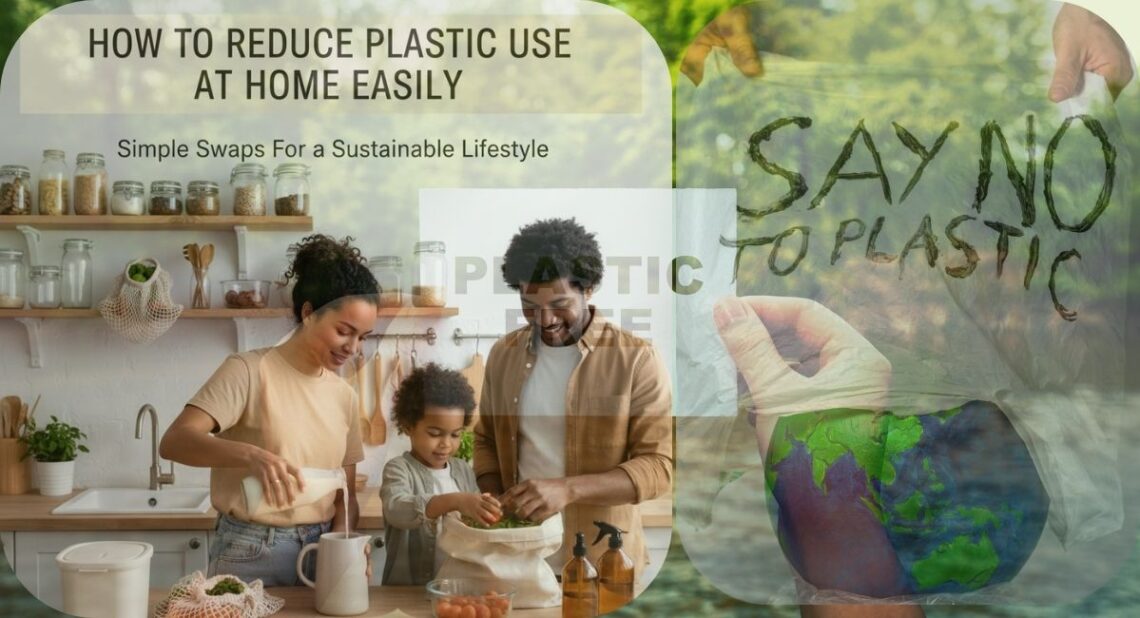
Plastic is everywhere in our homes, from kitchen wraps to water bottles to personal care products. While convenient, plastic has long-lasting effects on the environment. It can take hundreds of years to break down, and during that time, it pollutes oceans, harms wildlife, and even ends up in the food we eat. But making your home more sustainable doesn’t have to be complicated or expensive. By taking small, consistent steps, anyone can reduce plastic waste and move toward a zero-waste lifestyle.
Small Changes That Make a Big Difference
The kitchen is often the first place where plastic accumulates. But replacing everyday items with sustainable alternatives can be surprisingly easy.
- Switch to reusable containers: Glass or stainless steel containers are durable and safe for both storage and reheating.
- Ditch plastic wrap: Beeswax wraps are a natural, reusable way to cover food.
- Refillable bottles: Instead of buying bottled water, use stainless steel or glass bottles.
- Buy unpackaged produce: Choosing fruits and vegetables without plastic packaging reduces waste immediately.
Here’s a simple table to guide your plastic-free kitchen swaps:
| Common Plastic Item | Eco-Friendly Alternative | Benefits |
| Plastic wrap | Beeswax wraps | Reusable and biodegradable |
| Single-use water bottles | Stainless steel or glass bottles | Long-lasting and safe |
| Plastic storage bags | Silicone bags | Reusable, freezer safe |
| Disposable straws | Bamboo or metal straws | Washable and durable |
Even a few of these changes can significantly reduce the amount of plastic your household produces.
Rethinking Shopping Habits
Plastic often sneaks in during grocery trips. Being mindful about shopping can drastically cut your plastic use.
- Bring reusable cotton or jute bags for every shopping trip
- Buy in bulk whenever possible to reduce packaging
- Look for products packaged in glass, paper, or metal instead of plastic
- Shop at farmers’ markets where items are often sold without plastic packaging
Making these changes not only reduces plastic waste but can also save money in the long run.
Eco-Friendly Cleaning and Personal Care
Many household products contain hidden plastics, from packaging to microplastics in scrubs or toothpaste. Replacing them can make your home safer and healthier.
- Use bar soap instead of liquid soap in plastic bottles
- Opt for bamboo toothbrushes
- Make DIY cleaners with simple ingredients (guide here)
- Avoid beauty products containing microbeads
Gradually switching these products helps you live more sustainably without feeling deprived.
Making Reuse and Repurpose Part of Your Routine
Plastic-free living is not just about buying alternatives but also about extending the life of items you already have.
- Repurpose jars and containers for storage
- Reuse bags, boxes, and packaging
- Repair items instead of throwing them away
This mindset not only reduces waste but also encourages creativity and mindfulness in daily life.
Managing Waste Smarter
Sorting and managing waste properly reduces the impact of plastic even when it can’t be avoided.
- Compost organic waste instead of sending it to landfills
- Clean and sort plastics for recycling
- Donate items instead of tossing them
- Be mindful of microplastic sources like synthetic fabrics
| Waste Type | Recommended Action | Notes |
| Organic | Compost | Enriches soil and reduces landfill waste |
| Plastic | Recycle | Clean and separate for better recycling outcomes |
| Electronics | Take to e-waste center | Prevents toxic contamination |
| Synthetic clothing | Donate or upcycle | Reduces microplastic shedding |
Creative Plastic-Free Living Ideas
Going beyond basic swaps, there are many simple ways to integrate plastic-free habits into your home.
- Cloth napkins instead of paper or plastic-based options
- Refillable pens and markers
- Clothing made from natural fibers
- Homemade air fresheners
DIY guide: DIY Natural Air Fresheners
These small steps gradually build a home environment that supports sustainability.
Tracking Progress Makes a Difference
Keeping track of your plastic reduction efforts is motivating and practical.
- Keep a weekly log of items replaced or eliminated
- Track waste reduction over time
- Share tips with friends and family to inspire others
| Week | Plastic Items Reduced | Notes |
| 1 | 5 | Replaced water bottles and storage bags |
| 2 | 8 | Started using bamboo straws and bar soaps |
| 3 | 12 | Switched to bulk groceries and reusable bags |
| 4 | 15 | Fully implemented DIY cleaning products |
Seeing progress in numbers can help sustain motivation for long-term changes.
Frequently Asked Questions About Plastic-Free Living
Q: How can I start reducing plastic without feeling overwhelmed?
Focus on one area at a time, such as the kitchen or shopping habits. Small, consistent changes are more effective than trying to overhaul everything at once.
Q: Are plastic-free alternatives more expensive?
While initial costs may be higher, reusable products like stainless steel bottles or silicone bags save money over time.
Q: Can a family realistically live plastic-free?
Yes. Involving everyone in the household and gradually replacing single-use items makes a zero-waste home achievable.
Q: How do I avoid plastic in personal care products?
Look for bar soaps, bamboo toothbrushes, refillable deodorants, and products with natural packaging. Check labels for microplastics.
Q: Can I reduce plastic when shopping online?
Choose sellers with minimal or recyclable packaging, and consolidate shipments to reduce waste.
Q: Does living plastic-free impact health?
Reducing plastic exposure lowers contact with chemicals like BPA and other toxins, which can improve long-term health.
Making Plastic-Free Living Part of Everyday Life
Reducing plastic at home is not about being perfect. It’s about progress. By making thoughtful, consistent choices—whether in the kitchen, bathroom, or shopping—you gradually reduce your plastic footprint. Each small action adds up, inspiring others in your household and community to do the same.
Adopting plastic-free living tips is a journey that combines practicality with mindfulness. By changing habits, choosing sustainable alternatives, and tracking progress, you create a healthier home and a more sustainable lifestyle.
For additional guidance on eco-friendly living, check out these helpful resources: