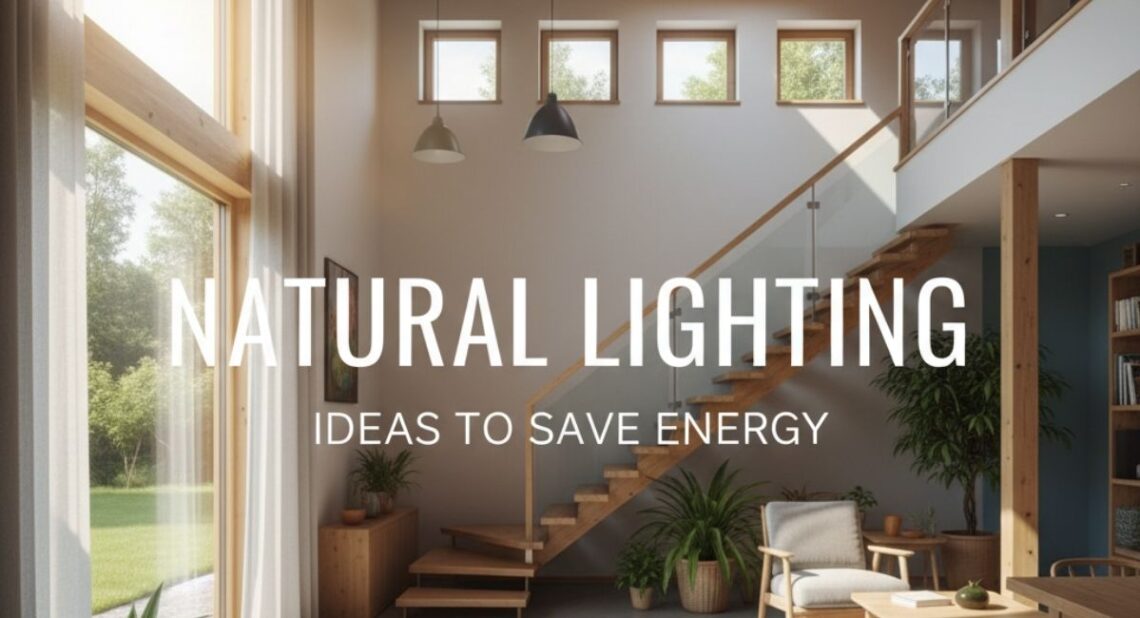
Creating a home that feels bright, welcoming, and energy-efficient often begins with one simple concept: natural light. The way sunlight enters your living space affects not just how it looks but also how much energy your home consumes. When designed thoughtfully, natural lighting can reduce electricity bills, improve comfort, and make interiors look fresh and vibrant—all while supporting sustainable living.
While technology offers plenty of smart energy-saving devices, sometimes the most effective improvements come from using what nature already provides. Natural light is free, abundant, and surprisingly powerful in reducing overall energy consumption. Let’s explore how to harness it effectively, make smart design choices, and create bright interiors that save energy every single day.
Why Natural Light Matters in Energy Efficiency
Natural light has a direct impact on energy use. Every time sunlight fills your room, it reduces the need for artificial lighting. Over time, that simple shift can cut a significant portion of your electricity use. Lighting accounts for roughly 10–15% of most household energy bills. By allowing daylight to take over during daytime hours, you can see noticeable reductions in your monthly energy consumption.
But the benefits of natural light go far beyond saving money. Daylight contributes to a sense of wellbeing—enhancing mood, increasing focus, and even improving sleep patterns. It makes spaces appear larger, reduces eye strain, and connects you to outdoor rhythms. It’s a natural resource that brings both aesthetic and health rewards.
Another important factor is the indirect energy saving: artificial lights generate heat, especially older bulbs. That extra heat makes your air conditioner work harder in summer. By relying on daylight instead of bulbs, you’re cutting both lighting and cooling costs—a double advantage.
If you’re already exploring ways to live more sustainably, natural lighting fits beautifully with eco-friendly home habits. You can combine it with ideas like simple eco-friendly habits to start today or energy-saving devices for every home for even greater impact.
Practical Strategies for Maximizing Natural Light
You don’t need a full renovation to enjoy the benefits of natural light. Many strategies are simple, affordable, and instantly effective. Below are practical ideas that work in most homes—from small apartments to family houses.
1. Start with Clean, Clear Windows
It might sound basic, but dirt and film on glass can block a surprising amount of daylight. A regular cleaning routine, both inside and outside, helps windows let in their full potential of sunlight. Even trimming outdoor plants or trees that block sunlight can make an immediate difference.
2. Choose the Right Window Treatments
Heavy drapes can make a room feel dark and closed in. Swap them for light-colored or sheer curtains that diffuse sunlight while maintaining privacy. Roller shades or blinds that can be easily adjusted also allow you to control how much light enters at different times of day.
3. Use Reflective Surfaces and Mirrors
Strategic placement of mirrors and reflective surfaces can double the light effect in your rooms. A large mirror opposite a window bounces sunlight deeper into the space. Glossy or semi-gloss finishes on furniture, decor, and wall art can help spread brightness evenly without glare.
4. Brighten Up Your Walls and Ceilings
The color and finish of your walls dramatically affect how light travels. Light tones—whites, creams, soft grays, or pastels—reflect far more light than dark or matte finishes. Even painting ceilings a bright white can make a noticeable difference, turning your room into a natural light amplifier.
5. Rearrange Furniture Thoughtfully
Sometimes the simplest “lighting renovation” is rearranging furniture. Avoid placing large, bulky items directly in front of windows or blocking corners where light enters. Create clear paths for sunlight to reach the center of each room.
6. Consider Skylights or Solar Tubes
For areas that never seem to get enough daylight—like hallways, bathrooms, or closets—skylights or tubular daylighting systems are great options. They channel sunlight from the roof into darker interior spaces. Modern versions are energy-efficient, leak-resistant, and available in various styles.
7. Use Interior Glass and Open Layouts
If structural changes are possible, consider using glass doors, transom windows, or open floor designs that allow light to flow between rooms. Even partial wall openings can help one sunny space brighten up the next.
8. Keep Balance with Shading and Control
Natural light should be comfortable, not glaring. Use blinds, solar shades, or even exterior awnings to soften direct sunlight. Deciduous trees planted strategically outside windows can block harsh summer rays but let in winter light after leaves fall—a naturally balanced design approach.
A Practical Manual: Step-by-Step Table for Natural Lighting Improvements
| Step | Action | Effort & Cost | Energy-Saving Benefit | Extra Tips |
| 1 | Clean all windows and remove obstructions | Low | Immediate daylight improvement | Do this seasonally |
| 2 | Replace heavy drapes with sheer curtains | Low | 5–10% reduction in lighting use | Neutral or light colors work best |
| 3 | Repaint walls/ceilings in reflective tones | Medium | 10–20% improvement in brightness | Choose warm whites for cozy light |
| 4 | Add mirrors opposite main windows | Low | Amplifies daylight | Use full-length or wall mirrors |
| 5 | Rearrange furniture to open light flow | Low | No-cost solution | Keep window areas uncluttered |
| 6 | Install light shelves or reflective panels | Medium | Deepens light penetration | Ideal for long rooms |
| 7 | Upgrade to energy-efficient glazing | High | Saves lighting + heating/cooling energy | Look for ENERGY STAR-certified windows |
| 8 | Add skylights or solar tubes | High | Great for dark interiors | Ensure proper insulation around frames |
| 9 | Integrate daylight sensors/dimmers | Medium | 20–50% lower lighting bills | Pairs well with smart home systems |
| 10 | Maintain shades, blinds, and trees seasonally | Low | Keeps light consistent year-round | Balance sun and comfort |
This table works as a home daylighting checklist. Start small, observe the change in brightness and energy use, then move to bigger upgrades. Even one or two low-cost changes can dramatically improve the feel of your home.
How Natural Lighting Reduces Energy Use
Let’s explore how these techniques actually save energy beyond just turning off a few light bulbs:
- Reduced Need for Artificial Lighting:
The most direct benefit is less reliance on electric lights. During daylight hours, well-lit rooms often don’t need any artificial lighting at all. - Less Heat from Lighting Fixtures:
Every bulb emits heat, and that heat raises indoor temperatures, making your cooling system work harder. By replacing electric lighting with daylight, you reduce both electricity and air conditioning use. - Improved Window Efficiency:
Modern glazing reduces heat loss while letting in natural light. This balance means less strain on heating systems in winter and cooling systems in summer. - Better Indoor Comfort and Wellbeing:
Daylight contributes to a healthier environment. It supports your body’s natural rhythm and reduces eye fatigue. Over time, these subtle benefits can make your home more enjoyable and productive. - Longer Life for Artificial Lighting:
The less you use electric lights, the longer they last. LEDs already save energy, but daylighting extends their lifespan even more, further cutting replacement costs.
Avoiding Common Mistakes in Daylighting Design
Even good intentions can lead to unwanted results if not planned properly. Here are common mistakes and how to fix them:
- Too Much Glare: Direct sunlight can be harsh. Use blinds, translucent shades, or frosted glass to soften glare while keeping brightness.
- Heat Gain or Loss: Poor window choices can increase heating or cooling costs. Invest in quality glazing with thermal protection.
- Ignoring Direction: Not all windows are equal. South-facing windows bring warmth and light, while west-facing ones can cause afternoon overheating.
- Dark Interiors Blocking Light: Interior walls, large furniture, or clutter near windows absorb daylight. Keep layouts open and bright.
- No Backup Lighting Plan: Even with great daylight, you’ll need layered artificial lighting for evening or cloudy days. Combine both systems seamlessly.
For more eco-home ideas that support these principles, explore best DIY projects to make your home greener or why sustainable living is easier than you think.
Integrating Natural and Artificial Light for Best Results
The most energy-efficient homes don’t choose between sunlight and electric light—they blend both intelligently.
- Use daylight as your main source during the day.
- Add task lighting for work areas where you need focus (kitchens, desks, workshops).
- Use motion or daylight sensors to dim or switch off artificial lights when natural light levels are high.
- Choose LEDs with warm color tones for evening use to maintain a natural feel.
- Balance brightness to avoid hot or dark spots; layered lighting (ambient, task, accent) gives you flexibility.
or further ways to complement natural lighting, see top energy-saving devices for every home, which includes smart lighting systems and dimmers that automatically adjust with daylight.
Budgeting and Planning Your Natural Light Upgrades
Transforming your home’s lighting doesn’t need to happen all at once. The most effective approach is gradual improvement. Start small, track your energy use, and upgrade strategically.
- No-Cost Adjustments: Clean windows, open curtains, rearrange furniture, trim outdoor plants.
- Low-Cost Enhancements: Add mirrors, repaint in light tones, replace heavy curtains.
- Medium Investments: Install reflective panels, light shelves, or daylight sensors.
- Major Upgrades: Replace old windows, add skylights, or remodel to open spaces.
Each stage builds on the previous one, creating cumulative benefits that lower your utility bills and enhance comfort.
Estimated Energy Savings and Payback Periods
| Improvement | Estimated Energy Savings | Average Payback Period |
| Cleaning windows, removing obstructions | 3–5% | Immediate |
| Replacing heavy drapes with sheer curtains | 5–10% | < 1 year |
| Repainting walls and ceilings | 10–20% | 1–2 years |
| Installing mirrors or reflective surfaces | 5–10% | 1–2 years |
| Upgrading to high-performance glazing | 15–30% | 5–10 years |
| Adding skylights or solar tubes | 10–40% (in dark rooms) | 5–8 years |
| Installing daylight sensors or dimmers | 20–50% | 2–4 years |
Each improvement contributes to both immediate and long-term benefits. The most rewarding part is that daylighting improvements increase home value and aesthetic appeal, not just energy savings.
Room-by-Room Natural Light Ideas
Living Room: Use wide, sheer curtains and reflective flooring to distribute light evenly.
Kitchen: Keep counters clear near windows. If possible, add a skylight above work areas.
Bedrooms: East-facing windows are ideal for morning light; use soft blinds to control brightness.
Bathrooms: Consider solar tubes or frosted-glass windows for privacy and daylight.
Hallways: Use mirrors and open doorways to spread light.
Home Office: Position your desk sideways to the window to avoid glare on screens.
Basement: Try tubular daylighting devices or interior glass panels to borrow light from above.
For more healthy interior inspirations, explore top best indoor plants for clean air and style or DIY natural air fresheners. Plants and fresh air combine beautifully with daylight to create a natural, lively home.
Trending FAQs About Natural Lighting and Energy Saving
Q1: Does adding windows always save energy?
Not automatically. Without proper insulation and shading, extra windows may increase heat loss in winter or gain in summer. The key is using energy-efficient glazing and the right orientation.
Q2: Can I improve natural light without renovations?
Absolutely. Start with cleaning, lighter curtains, mirrors, and paint color changes. These simple steps can improve brightness dramatically without construction.
Q3: Is daylighting effective in cloudy regions?
Yes. Even indirect sunlight provides ample illumination when interiors are designed to reflect and distribute light efficiently.
Q4: How can I prevent glare while keeping light?
Use sheer curtains, blinds, or window films that diffuse sunlight. Reflective but matte finishes on walls also help distribute light evenly.
Q5: Are skylights energy-efficient?
Modern skylights are much more efficient than older versions. When installed with proper insulation and flashing, they bring light without significant heat loss.
Q6: What’s the best way to pair natural and smart lighting?
Use daylight sensors that automatically adjust artificial lights. For example, smart bulbs can dim as daylight increases, helping maintain consistent brightness.
Q7: Does natural light affect air conditioning use?
Yes. By reducing artificial lighting heat output, you lessen indoor heat buildup. However, use shading to avoid direct summer heat from large windows.
Q8: Can plants enhance the benefits of daylight?
Definitely. Indoor plants thrive under natural light, purify air, and create a fresh atmosphere. Check top best indoor plants for clean air and style for easy-care options.
Q9: What’s the first change I should make if my home feels dark?
Start with window cleaning and light curtain replacement. These two changes often transform a dim room instantly.
Final Words
Natural lighting is one of the most underused yet impactful ways to save energy at home. It’s about more than aesthetics—it’s a sustainable choice that supports your comfort, health, and environment. With thoughtful design and small lifestyle adjustments, your home can feel brighter, more open, and significantly more efficient.
You can pair these lighting ideas with other sustainable home tips from Aqua Wellness Hub, such as:
- Simple ways to save water at home
- Best eco-friendly cleaning products in 2025
- Solar energy for beginners
Together, these habits create a home that not only saves energy but also promotes a cleaner, healthier way of living.