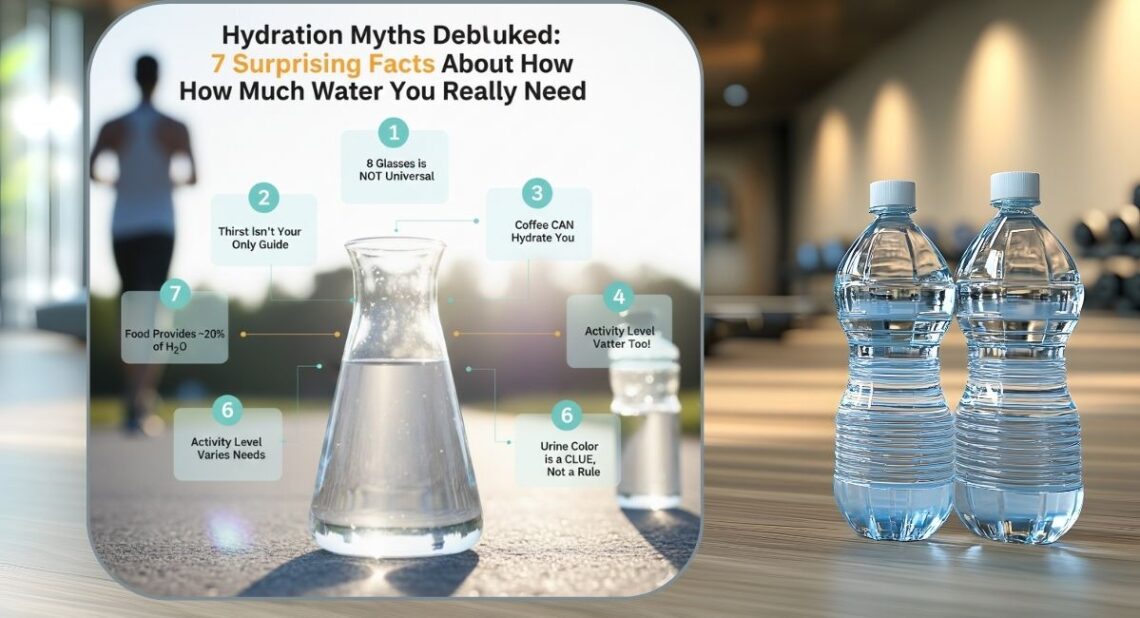
Hydration is one of the most talked-about wellness habits, yet it’s also one of the most misunderstood. You hear people say everyone needs eight glasses a day, or that thirst signals dehydration, or that flavoured water does not count. These claims circle social media often enough that they sound believable. Still, when you look closely, many of the most common hydration myths fall apart quickly. Human hydration needs are not one size fits all, and understanding your body’s signals matters far more than simply counting cups.
This guide takes a full look at hydration myths, hydration facts, water hydration myths that still circulate today, and how to rethink your daily water habits in a practical and eco-friendly way. It also includes insights on eco-friendly hydration habits, sustainable water bottles, and how to reduce plastic waste while improving your daily wellness routines. While hydration affects digestion, mental clarity, skin appearance, energy, and temperature balance, misinformation often makes simple habits feel confusing. Here, we clear things up with research-backed explanations and straightforward insights.
Before we begin, if you’re interested in building broader green wellness routines, you may also enjoy related articles such as Simple Eco-Friendly Habits to Start Today, Why Sustainable Living Is Easier Than You Think, and Mindful Eating and Hydration at Aqua Wellness Hub. These provide helpful context for anyone exploring eco-conscious lifestyle habits alongside hydration.
Why Hydration Myths Spread So Easily
Hydration seems simple, so people assume simple rules apply to everyone. Social media posts often promote one standard goal even though your hydration needs depend on climate, food choices, activity, sleep habits, stress levels and even your personal health history. Another reason hydration myths spread is that people want fast answers. They prefer to follow a specific number because it feels easier than paying attention to body cues.
Even the bottled water industry has played a part in shaping these ideas. Marketing messages sometimes give the impression that you must constantly sip water throughout the day to stay healthy, even if your body isn’t actually asking for more. This creates the belief that thirst is a problem instead of a natural signal. Part of building hydration wisdom involves slowing down and learning how your body communicates with you instead of chasing strict “rules” that may not apply.
Let’s break down the most common water hydration myths and replace them with well-researched facts that help you hydrate with confidence.
Myth 1: Everyone Needs Eight Glasses of Water a Day
This is the most commonly repeated hydration myth. It shows up everywhere, from fitness posts to school health classes. The truth is more flexible. There is no scientific evidence proving that eight glasses is the magic number for all people. Instead, hydration requirements shift based on body size, food intake, activity level and environmental conditions.
Some people may need less because they eat water-rich foods such as fruits, vegetables and soups. Others may need significantly more if they exercise intensely or live in dry climates. The eight glass idea is not harmful, but it creates pressure for people who feel they are failing if they cannot meet it daily. Hydration should be responsive to your day, not forced into one fixed goal.
What actually influences hydration needs
- Temperature and humidity
- How much you sweat or exercise
- Body weight and metabolic rate
- Medications that affect water balance
- Food choices (high water content foods reduce water needs)
- Caffeine intake
- Sleep quality and stress
A more accurate approach is to aim for pale yellow urine, comfortable energy levels, and steady focus. This signals proper hydration without obsessing over any specific number.
Myth 2: Thirst Means You Are Already Dehydrated
This hydration myth sounds convincing because people assume bodily signals appear only when something is wrong. The belief that thirst means you are already dehydrated makes people feel anxious about waiting too long before drinking. The truth is that thirst is an early, natural reminder. It does not indicate that you are in danger or that your body is already lacking too much water.
Your body is designed to keep fluid levels balanced with precise internal sensors. When your blood concentration becomes slightly more dense, your brain sends a gentle thirst signal. This occurs before dehydration becomes significant. In fact, if thirst appeared only when dehydration was serious, humans would not have survived as a species.
Paying attention to thirst is a healthy way to stay hydrated. Instead of fearing the signal, treat it as a guide that works with you.
Myth 3: Clear Urine Means Perfect Hydration
Social media has turned the “clear urine test” into a trendy hydration measure. Many posts suggest that anything less than completely clear urine means you are dry. In reality, clear urine often indicates that you are drinking more water than necessary. Chronically clear urine may dilute electrolytes, especially if accompanied by heavy sweating or intense exercise.
Healthy hydration usually results in pale yellow urine. This color indicates that your kidneys are doing their job, and your body is keeping minerals and water in a balanced range. If your urine is occasionally clear, there is no issue. If it is always clear, you may be overhydrating.
This leads to an important hydration fact: More water is not always better. Overhydration can cause fatigue, nausea or headaches because sodium levels drop. This condition, known as hyponatremia, is more common than many realize, especially among endurance athletes who drink too much water without enough electrolytes.
Myth 4: Only Plain Water Counts Toward Hydration
Another hydration myth that continues to spread is the idea that only pure water hydrates you. People believe tea, fruit-infused water, juice and even foods do not contribute. This is false. Your body recognises water wherever it comes from because hydration is about total fluid intake, not beverage categories.
Foods like cucumbers, oranges, strawberries, lettuce, zucchini and melons contain between 80 to 95 per cent water. Soups and smoothies also count toward hydration. Even herbal teas contribute. Coffee and tea, once thought to be dehydrating, do not have the strong diuretic effect many assume. Studies show they count toward daily fluid intake for most people.
This myth is especially confusing for people who dislike plain water. They often force themselves to drink it even though flavored or infused options would be more enjoyable and still effective.
Drinks and foods that count toward hydration
- Herbal teas
- Fruit-infused water
- Broth-based soups
- Milk and plant milks
- Smoothies
- Coffee in moderate amounts
- Hydrating fruits and vegetables
If you want new ways to enjoy water naturally, you might like the DIY Natural Air Fresheners article at Aqua Wellness Hub. Flavor and scent ideas often overlap, giving you creativity for both home and hydration.
Myth 5: Bottled Water Is the Purest and Safest Choice
This belief has shaped consumer habits for years. Many assume bottled water is filtered more thoroughly than tap water, but this is not always true. In fact, tap water in many regions meets strict safety standards and undergoes frequent testing. Some bottled water brands simply package filtered tap water.
Relying heavily on bottled water also has environmental consequences. Single-use plastic bottles contribute to plastic pollution and require large amounts of energy to produce and transport. Choosing a sustainable water bottle made of stainless steel or glass helps reduce plastic waste, supports a green wellness lifestyle and saves money over time.
If you are looking for ways to support environmentally friendly hydration while improving your daily habits, articles like Simple Ways to Save Water at Home and Best Eco-Friendly Cleaning Products in 2025 can help you expand your eco-minded routine.
Table: Comparing Water Sources
| Water Source | Safety Level | Cost | Environmental Impact | Notes |
| Filtered Tap Water | High (in most areas) | Low | Very low | Great for eco-friendly hydration habits |
| Bottled Spring Water | Varies | High | High | Often no better than tap water |
| Reusable Bottle with Home Filter | High | Medium upfront | Very low | Best long term value |
| Public Water Fountains | Varies by region | Free | Very low | Good for reducing plastic waste |
Myth 6: Hydration Boosts Must Come From Sports Drinks
Sports drink companies often promote the idea that their beverages are essential for hydration, especially during exercise. While electrolytes are important during long workouts, sports drinks are not necessary for most daily activities or short sessions. Many contain added sugars, dyes and flavor enhancers that do not add health benefits.
For most people, water combined with balanced meals provides enough electrolytes. If you need extra support due to heat, intensity or long-duration workouts, natural options such as coconut water, lightly salted fruit-infused water or electrolyte powders without artificial additives work well.
Understanding this myth helps people hydrate without adding unnecessary calories or chemicals to their routine. It also reduces reliance on plastic bottles and promotes a more sustainable hydration approach aligned with eco friendly hydration habits.
Myth 7: Hydration Requires Constant Sipping Throughout the Day
Many believe sipping water nonstop is the best strategy. While steady intake is helpful, it is not necessary to drink continuously. Your kidneys regulate water levels naturally. They release more when you drink more and retain more when you drink less. Drinking when you feel thirsty and during meals is perfectly fine for most people.
Constant sipping may even lead to overhydration if your intake becomes excessive. Paying attention to your body’s rhythms is more effective than following social media trends about non-stop hydration habits.
A mindful approach helps prevent the stress that comes from feeling like you need to carry water everywhere or drink constantly. This aligns with a green wellness lifestyle and encourages people to use sustainable water bottles instead of single-use plastic that ends up in landfills.
Environmental Wellness and Hydration
Eco-friendly hydration habits are gaining attention as more people think about how daily choices affect the planet. Hydration fits naturally into sustainable living because water consumption, waste reduction and mindful product choices influence environmental health.
Here are practical steps to support environmentally friendly hydration:
- Choose reusable bottles to reduce plastic waste
- Filter tap water instead of buying bottled water
- Opt for sustainable water bottles made of glass or stainless steel
- Select concentrated drink mixes instead of pre-bottled flavoured water
- Compost fruit scraps from infused drinks
- Reduce waste with water-efficient appliances, supported by articles like Top Energy Saving Devices for Every Home
- Learn about water conservation ideas in Simple Ways to Save Water at Home
Building eco-focused hydration habits supports both personal wellness and environmental care.
How Diet Connects to Hydration
Hydrating foods can reduce how much water you need to drink. Many people forget that fruits, vegetables and soups count toward fluid intake. High water content foods keep you refreshed while providing vitamins, minerals and fibre that plain water does not offer.
If your meals feature water-rich produce, your hydration needs naturally adjust. This helps people stop forcing themselves to drink when they are already hydrated.
Food choices also influence electrolyte balance. Potassium-rich foods like bananas, oranges and potatoes help maintain hydration. Sodium and magnesium found in whole foods play a role as well. A balanced diet supports better hydration than bottled drinks alone.
Understanding Hydration for Different Lifestyles
Hydration needs are not equal for everyone. Personal routines affect how much water you require.
Office workers
People who work indoors in climate-controlled environments lose less water through sweat. Their hydration needs may be lower than those who work outdoors.
Athletes
Sweating increases electrolyte loss. Athletes may need more fluids and occasional electrolyte support, especially in humid weather.
Older adults
Thirst signals sometimes weaken with age, so consistent check-ins help ensure hydration. Hydrating foods are particularly helpful.
People living in dry climates
Desert and high altitude regions increase fluid loss through respiration. Hydration needs rise even without heavy sweating.
People managing stress
Stress affects hormone levels and sleep patterns, both of which can influence hydration needs. Natural stress relief techniques and good sleep habits, such as those explored in Wellness Sleep Hacks, indirectly support hydration.
By focusing on your lifestyle rather than a universal number, you develop a more accurate understanding of your hydration needs.
Mindfulness, Hydration and Mental Clarity
Hydration supports brain function, mood stability and focus. Even mild dehydration can affect concentration. This is why hydration habits often appear alongside mindfulness practices. Drinking water slowly gives your body time to adjust and provides a calming moment in the day.
For deeper insight into the mind-body relationship, the article Hydration and Mental Clarity takes a closer look at how fluid balance influences cognitive performance. Pairing mindful sipping with balanced meals helps create a positive relationship with hydration rather than treating it as a chore.
Best Practices for Smarter Hydration
Instead of relying on rigid rules or hydration myths, follow these practical steps:
- Drink according to thirst
- Aim for pale yellow urine
- Eat water-rich foods
- Use a reusable bottle to support sustainable habits
- Drink more during hot weather or exercise
- Avoid forcing yourself to drink when not thirsty
- Choose natural electrolyte sources
- Pay attention to lifestyle factors such as stress and sleep
Hydration becomes easier when you listen to your body and adopt sustainable routines that support long-term wellness.
Adding Hydration to a Green Wellness Lifestyle
Environmental wellness and personal hydration overlap more than many people realise. Sustainable hydration habits reduce waste, support your health and encourage mindful living.
To broaden your eco-friendly routine, consider exploring:
- Why Smart Homes Are the Future of Sustainability
- Solar Energy for Beginners
- Best DIY Projects to Make Your Home Greener
- Top Best Indoor Plants for Clean Air and Style
These practices complement eco-friendly hydration habits, helping you create a balanced and environmentally aware daily routine.
Trending FAQs About Hydration
Do electrolytes matter if I don’t work out?
They matter, but most people get enough from food. Electrolytes become more important in high heat, long workouts or illness.
Does sparkling water hydrate as well as still water?
Yes. Carbonation does not reduce hydration effectiveness.
Is room-temperature water better than cold water?
Both hydrate equally. Choose what feels comfortable.
Can I drink too much water?
Yes. Overhydration can dilute sodium levels. Listen to your body instead of forcing excessive intake.
Does coffee dehydrate you?
Moderate coffee consumption does not significantly dehydrate most people. It still contributes to total fluid intake.
How can I hydrate sustainably?
Use reusable bottles, filter tap water, reduce plastic waste and choose natural flavour infusions.