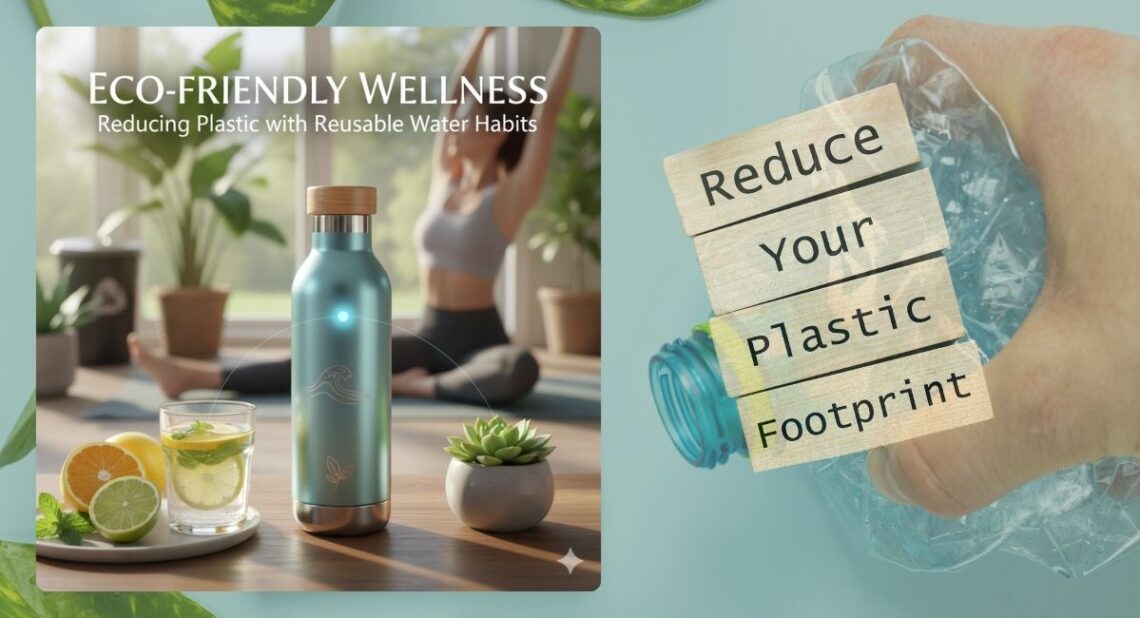
Staying hydrated is fundamental to maintaining energy, focus, and overall well-being. However, the way we consume water has significant implications for both personal health and the environment. Single-use plastic bottles contribute heavily to pollution, landfills, and microplastic contamination, creating a serious challenge for eco-friendly wellness. Shifting toward reusable water habits not only cuts plastic waste but also supports a sustainable, green lifestyle.
Plastic waste in the United States is staggering, with millions of tons ending up in landfills or oceans each year. A significant portion of this comes from disposable water bottles, which are used briefly before disposal. By choosing reusable bottles, individuals can drastically reduce plastic waste, support cleaner water consumption, and often enjoy health benefits such as improved hydration, better skin, and enhanced mental clarity.
Daily routines often reinforce bottled water habits. Many people grab plastic bottles by default, adding to personal and collective plastic waste. Reusable bottles provide a practical solution: they carry more water, encourage steady intake throughout the day, and gradually reduce household waste while saving money. Adopting these habits promotes eco-friendly hydration, linking personal wellness to environmental care.
Why Reusable Water Bottles Matter for Eco-Friendly Wellness
Reusable bottles tackle plastic pollution at its core. Producing single-use plastics consumes fossil fuels, generates greenhouse gas emissions, and leaves persistent microplastics that impact ecosystems. One durable reusable bottle can replace thousands of disposable bottles over its lifetime, significantly lowering an individual’s plastic footprint.
Health benefits are also critical. Many disposable bottles contain chemicals like BPA, which may leach into water, especially when exposed to heat. Reusable bottles made from stainless steel, glass, or silicone prevent chemical contamination and keep water pure. Some bottles include capacity markers to help adults meet daily hydration goals.
Financial savings reinforce eco-friendly hydration habits. Drinking bottled water regularly can cost hundreds of dollars annually, whereas a high-quality reusable bottle is a one-time investment. Refilling stations at gyms, offices, and public parks make it easier than ever to adopt sustainable water habits.
Style and convenience enhance the appeal of reusable bottles. Insulated models maintain cold or hot temperatures for hours, fitting active lifestyles perfectly. Personalisation options allow bottles to reflect your personality, making consistent hydration more enjoyable.
For additional insights into daily wellness and eco-conscious living, explore related resources like Simple Eco-Friendly Habits to Start Today and Hydration and Mental Clarity.
Health Improvements Through Sustainable Hydration
Proper hydration is essential for physical and mental wellness, which forms the foundation of eco-friendly wellness. Dehydration can cause fatigue, cramps, and reduced cognitive performance. Carrying a reusable bottle promotes regular drinking, improving metabolism, skin appearance, and mental clarity.
Avoiding microplastics from disposable bottles helps reduce potential long-term health risks. Many reusable bottles have wide mouths, allowing for natural flavour infusions such as fruits or herbs, which makes drinking water more enticing.
Physically active individuals benefit particularly from insulated bottles, ensuring cold water is readily available during workouts. Evening hydration, when combined with calming routines, can also support better sleep quality. For more wellness routines involving water, visit Wellness Sleep Hacks: Water Evening Routine.
How to Reduce Plastic Waste With Practical Daily Habits
Reducing plastic waste begins with small, actionable changes. Choosing reusable bottles eliminates hundreds of disposable items annually. Installing home water filters further decreases reliance on bottled water, while refill stations in public spaces encourage sustainable habits.
Integrating refills into your daily schedule — at work, at the gym, or during errands — ensures lasting habit formation. Regularly cleaning reusable bottles maintains freshness and hygiene. Selecting brands that produce bottles from recycled materials can further amplify your impact. Additional eco-conscious practices include Simple Ways to Save Water at Home.
Practical Reusable Bottle Usage Guide
| Step | Action | Tips | Benefit |
| Choose Material | Stainless steel, glass, silicone | Stainless steel for insulation, glass with silicone sleeve | Avoids chemicals, durable, long-lasting |
| Select Size | 20-40 oz for daily use | Larger for hikes, smaller for bags | Supports proper hydration throughout the day |
| Check Features | Leak-proof lids, wide mouth | Straw or chug caps for convenience | Prevents spills and keeps drinks fresh |
| Build Routine | Refill multiple times daily | Morning, mid-day, evening refills | Maintains hydration and reduces plastic usage |
| Clean Regularly | Wash daily, deep clean weekly | Dishwasher safe or vinegar soak | Prevents bacterial build-up |
| Track Impact | Log refills and waste reduced | Use apps or journals | Encourages consistent eco-friendly habits |
| Replace When Needed | Every 2-5 years | Donate or recycle old bottles | Supports circular economy and sustainability |
Making Eco-Friendly Hydration a Habit
Developing consistent habits is key. Always carry a reusable bottle, and consider natural flavouring with fruits or herbs to make hydration enjoyable. Combine water habits with a broader green wellness lifestyle by incorporating simple, eco-friendly practices into your daily life.
Engaging with community challenges or social support increases consistency. Seasonal adjustments, like switching to insulated bottles in winter or lightweight bottles in summer, help maintain year-round use. Pair hydration stations with indoor greenery to enhance air quality and overall wellness. For inspiration, explore the Top Best Indoor Plants for Clean Air and Style.
Top Sustainable Water Bottles for 2025
- Hydro Flask Wide Mouth: Durable steel, excellent insulation, versatile lids
- Owala FreeSip: Budget-friendly, leak-proof, insulated
- Klean Kanteen: Made from 90% recycled materials, ethical production
- Sigg Traveller MyPlanet: Lightweight recycled aluminium, biobased lids
- Ocean Bottle: Supports ocean cleanups, insulated, recycled materials
These options combine performance, convenience, and environmental responsibility.
Frequently Asked Questions
How many plastic bottles can one reusable replace?
A single durable bottle can replace over a thousand disposable bottles over its lifetime.
Are stainless steel bottles safe for hot drinks?
Yes, double-walled stainless steel bottles safely hold hot beverages without leaching chemicals.
What is the best way to clean reusable bottles?
Daily washing with soap, supplemented by weekly vinegar or dishwasher cleaning, maintains hygiene.
Do reusable bottles save money?
Yes, compared to purchasing bottled water regularly, reusable bottles are cost-effective.
Can I safely use tap water in reusables?
Filtered tap water is safe and environmentally friendly for daily refills.
Which bottles insulate best for workouts?
Models like Hydro Flask and Owala provide top temperature retention and durability.
Do reusable bottles help meet hydration goals?
Capacity markers and larger sizes encourage reaching the recommended daily water intake.
Are there plastic-free options?
Yes, silicone bottles offer flexible, plastic-free alternatives.
What are the trending features in sustainable bottles?
Recycled materials, smart hydration reminders, and infused water designs are popular trends.
Do reusables reduce microplastic exposure?
Yes, avoiding single-use bottles significantly reduces microplastic ingestion.
Integrating Reusable Hydration Into Green Wellness
By adopting reusable water habits, you support personal health, reduce environmental impact, and participate in eco-friendly wellness. Over time, these habits encourage broader sustainable living, including eco-friendly cleaning, natural stress relief, and mindful eating. Combine hydration with water-saving practices and greener home improvements, like Best DIY Projects to Make Your Home Greener or energy-saving techniques, to create a comprehensive green lifestyle.
Shifting to reusable hydration is a practical step that grows into a long-lasting lifestyle choice. Each refill saves plastic, reduces carbon emissions, and nurtures wellness; both personal and environmental.