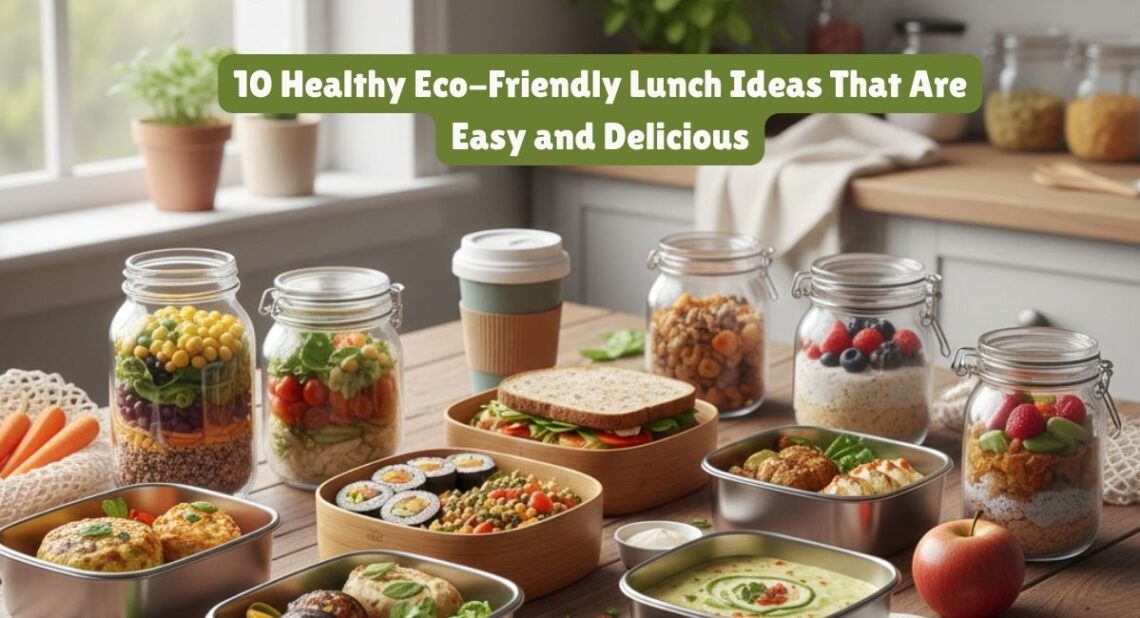
Eating lunch is something most people do on autopilot. It fills the gap between morning and evening, often rushed, packaged, and chosen for convenience rather than care. But lunch can quietly shape daily health and environmental impact more than we realize. A single meal prepared with thoughtful ingredients and mindful habits can reduce waste, support better nutrition, and still taste genuinely satisfying.
Healthy Eco-Friendly Lunch Ideas are not about giving up comfort foods or spending hours in the kitchen. They are about choosing ingredients that respect seasonal cycles, relying less on single use packaging, and cooking in ways that nourish the body without draining natural resources. When repeated day after day, these choices add up in ways that matter.
This guide explores ten eco lunch recipes that are practical for real life. Each idea balances nutrition, flavor, and sustainability. You will also find planning tips, tables for quick reference, and answers to common questions people ask when trying to eat more responsibly at midday. The tone here is realistic, not preachy. These meals fit into busy schedules, packed lunches, work-from-home routines, and family life.
If you are already interested in sustainable living, you may find it helpful to read why sustainable living is easier than you think, since food choices are often one of the simplest starting points.
What Makes a Lunch Truly Eco-Friendly and Healthy
Before jumping into recipes, it helps to understand what actually qualifies as eco-friendly when it comes to lunch. Labels can be misleading, and not all “green” foods support health equally.
An eco-friendly lunch usually includes several of these features:
- Mostly plant-based ingredients or a balanced mix with lower-impact proteins
- Seasonal produce grown closer to home
- Minimal food waste through smart portioning or leftovers
- Limited or no single-use packaging
- Storage using reusable lunch boxes and containers
From a health perspective, the meal should also offer steady energy, fiber, protein, and healthy fats without excessive added sugar or ultra-processed ingredients.
There is overlap here with mindful eating habits. If you want to go deeper into the connection between food awareness and hydration, mindful eating and hydration building a healthy bond with water explains how simple shifts improve digestion and focus.
Why Lunch Is the Best Meal to Go Sustainable
Dinner often gets the spotlight in healthy eating conversations, but lunch quietly shapes productivity, mood, and cravings. It is also the meal where people rely most on takeout, packaged foods, and disposable containers.
Switching to Healthy Eco-Friendly Lunch Ideas offers clear benefits:
- You reduce reliance on plastic packaging and paper waste
- You save money by cooking once and eating twice
- You stabilize afternoon energy and avoid crashes
- You create consistent habits rather than occasional efforts
Even small changes like packing meals in reusable lunch boxes can reduce waste dramatically over time. If you are interested in expanding this idea to your entire kitchen, simple steps to create a zero waste kitchen offers practical guidance.
10 Healthy Eco-Friendly Lunch Ideas You Can Actually Stick With
The lunches below are designed to be flexible. Portions can be adjusted, ingredients swapped, and leftovers reused. These are not strict recipes but adaptable frameworks that encourage sustainable habits.
1. Lentil and Roasted Vegetable Grain Bowl
This lunch is filling, affordable, and built around pantry staples. Lentils are one of the most eco-friendly protein sources available, requiring less water and energy than most animal proteins.
A basic version includes cooked green or brown lentils, roasted seasonal vegetables like carrots, zucchini, or sweet potatoes, and a base of brown rice or quinoa. Toss everything with olive oil, lemon juice, garlic, and herbs.
Why it works:
- Lentils are high in protein and fiber
- Roasted vegetables use produce that may otherwise go unused
- Keeps well for several days in the fridge
You can prepare a large batch on Sunday and pack it throughout the week. Using reusable lunch boxes keeps everything fresh and avoids plastic wrap.
2. Chickpea Salad with Herbs and Citrus
This lunch feels fresh without relying on leafy greens that wilt quickly. Chickpeas offer steady energy and pair well with simple ingredients.
Mash cooked chickpeas slightly, then mix with chopped parsley, celery, red onion, olive oil, and lemon or orange zest. Serve with whole-grain bread or stuff into a pita.
Why it works:
- Uses shelf-stable or dried chickpeas
- Easy to make in under 15 minutes
- Travels well without refrigeration for short periods
This type of lunch supports both healthy recipes and lower food waste since chickpeas store well and adapt to many flavors.
3. Seasonal Vegetable Stir Fry with Tofu
A stir fry is a strong option when you want warmth and comfort without heaviness. Choosing seasonal vegetables reduces transportation emissions and supports local growers.
Use firm tofu sautéed with broccoli, bell peppers, snap peas, or cabbage. Season with garlic, ginger, and a small amount of soy sauce or tamari. Serve over leftover rice.
Why it works:
- Tofu has a lower environmental footprint than most meats
- Great use of leftover vegetables
- Reheats well for work lunches
This lunch pairs nicely with broader energy-conscious habits like those described in top energy saving devices for every home since cooking efficiently matters too.
4. Mediterranean Farro and Bean Salad
Farro is an ancient grain with a nutty flavor and chewy texture that holds up well over time. Combine cooked farro with white beans, cherry tomatoes, cucumbers, olives, and a simple olive oil vinaigrette.
Why it works:
- High in fiber and minerals
- No need for heating
- Tastes better after sitting for a few hours
This is a strong option for office lunches where microwave access is limited.
5. Leftover Vegetable and Hummus Wrap
Leftovers often get ignored, yet they are one of the most eco-friendly lunch foundations. Roasted vegetables from dinner can become tomorrow’s lunch with little effort.
Spread hummus on a whole grain wrap, add leftover vegetables, and finish with greens or pickled onions.
Why it works:
- Reduces food waste
- Takes under five minutes to assemble
- Easy to customize
This habit aligns well with simple eco-friendly habits to start today which shows how everyday routines create lasting change.
6. Cold Soba Noodle Bowl with Vegetables
Cold noodle bowls are refreshing and surprisingly satisfying. Buckwheat soba noodles have a lower glycemic impact than refined pasta and pair well with vegetables.
Toss cooked and cooled noodles with shredded carrots, cucumber, edamame, and a light sesame dressing.
Why it works:
- No reheating required
- Balanced carbs and protein
- Light yet filling
This lunch is especially appealing during warmer months.
7. Bean and Vegetable Soup in a Thermos
Soup is often seen as a dinner food, but it works beautifully for lunch when packed in an insulated container. Use dried beans, lentils, and vegetables to create a hearty base.
Why it works:
- Uses inexpensive ingredients
- Great way to use vegetable scraps
- Keeps warm for hours
Using a thermos instead of disposable containers reinforces sustainable habits.
8. Baked Sweet Potato with Toppings
Sweet potatoes are nutritious, affordable, and easy to prepare in bulk. Bake several at once, then store them for quick lunches.
Top with black beans, avocado, yogurt, or leftover vegetables.
Why it works:
- Naturally filling
- Minimal preparation on busy days
- Supports blood sugar balance
This lunch idea fits well with health-focused routines like hydration and mental clarity, which highlights how balanced meals affect focus.
9. Vegetable Fried Rice with Leftovers
Fried rice is a classic way to use leftovers creatively. Use day-old rice, mixed vegetables, and a small amount of oil.
Why it works:
- Prevents food waste
- Customizable to what you have
- Works with plant-based or mixed diets
Cooking this at home avoids takeout containers and excess sodium.
10. Mason Jar Salad with Grains and Beans
Mason jar salads are practical when layered correctly. Start with dressing at the bottom, followed by grains or beans, then vegetables, and greens on top.
Why it works:
- Keeps ingredients fresh
- Easy to grab and go
- Encourages portion control
Using glass jars also supports long-term use and avoids plastic leaching.
Quick Comparison Table for Eco-Friendly Lunch Planning
| Lunch Type | Prep Time | Protein Source | Best For | Waste Reduction Level |
| Lentil grain bowl | 30 mins batch | Lentils | Meal prep | High |
| Chickpea salad | 15 mins | Chickpeas | Quick lunches | High |
| Tofu stir fry | 25 mins | Tofu | Warm meals | Medium |
| Farro salad | 20 mins | Beans | No heat | High |
| Leftover wrap | 5 mins | Mixed | Busy days | Very high |
| Soba bowl | 20 mins | Edamame | Summer | Medium |
| Bean soup | 40 mins batch | Beans | Cold days | High |
| Sweet potato | 10 mins reheat | Beans or dairy | Simple meals | Medium |
| Fried rice | 15 mins | Mixed | Leftovers | Very high |
| Jar salad | 15 mins | Beans or grains | Grab and go | High |
Choosing Ingredients That Support Health and the Planet
Ingredient choices matter more than perfection. You do not need speciality items or expensive organic products to build Healthy Eco-Friendly Lunch Ideas.
Focus on:
- Dried beans and lentils instead of canned when possible
- Whole grains bought in bulk
- Seasonal vegetables
- Simple sauces made at home
Buying less packaged food naturally reduces waste. It also supports better nutrition by limiting additives.
Storage and Packing Tips That Reduce Waste
How you store lunch affects sustainability just as much as what you eat.
Consider:
- Glass or stainless steel reusable lunch boxes
- Cloth napkins instead of paper
- Refillable water bottles
How These Lunch Habits Support Long-Term Wellness
Eating eco-friendly lunches often leads to broader wellness improvements. People report steadier energy, better digestion, and fewer cravings for highly processed foods.
There is also a mental health component. Preparing food with intention creates a sense of care and routine. This mirrors benefits found in activities like gardening.
Common Mistakes When Switching to Eco Lunch Recipes
Many people give up too soon because of avoidable mistakes.
These include:
- Overcomplicating recipes
- Buying too many new ingredients at once
- Expecting perfection
Start with one or two lunches per week and build from there.
Frequently Asked Questions About Healthy Eco-Friendly Lunch Ideas
Are eco-friendly lunches always vegetarian or vegan?
No. While plant-based meals often have a lower environmental impact, eco-friendly lunches can include small portions of responsibly sourced animal products if chosen mindfully.
Do eco lunch recipes take more time to prepare?
Most take the same or less time once you get used to batch cooking and leftovers. Planning saves time during the week.
Is it more expensive to eat eco-friendly at lunch?
In many cases, it costs less. Beans, grains, and seasonal vegetables are among the most affordable foods.
What if I do not have access to fresh produce year-round?
Frozen vegetables are a good alternative. They reduce food waste and retain nutrients.
How do I keep lunches fresh without plastic bags?
Reusable containers, beeswax wraps, and insulated jars work well.
Can kids eat eco-friendly lunches too?
Yes. Many of these meals are adaptable and family-friendly.
How do I stay consistent when eating out is easier?
Preparing two or three lunches per week still makes a difference. Consistency matters more than frequency.
Bringing It All Together
Healthy Eco-Friendly Lunch Ideas are not about restriction or rigid rules. They are about thoughtful choices that support both personal health and environmental care. Each lunch you prepare at home, pack in reusable containers, and enjoy mindfully is a small but meaningful step.
These ideas are meant to fit into real lives. Start with what feels manageable, repeat what works, and allow habits to grow naturally. Over time, lunch becomes more than a midday pause. It becomes a daily act of care for yourself and the world around you.