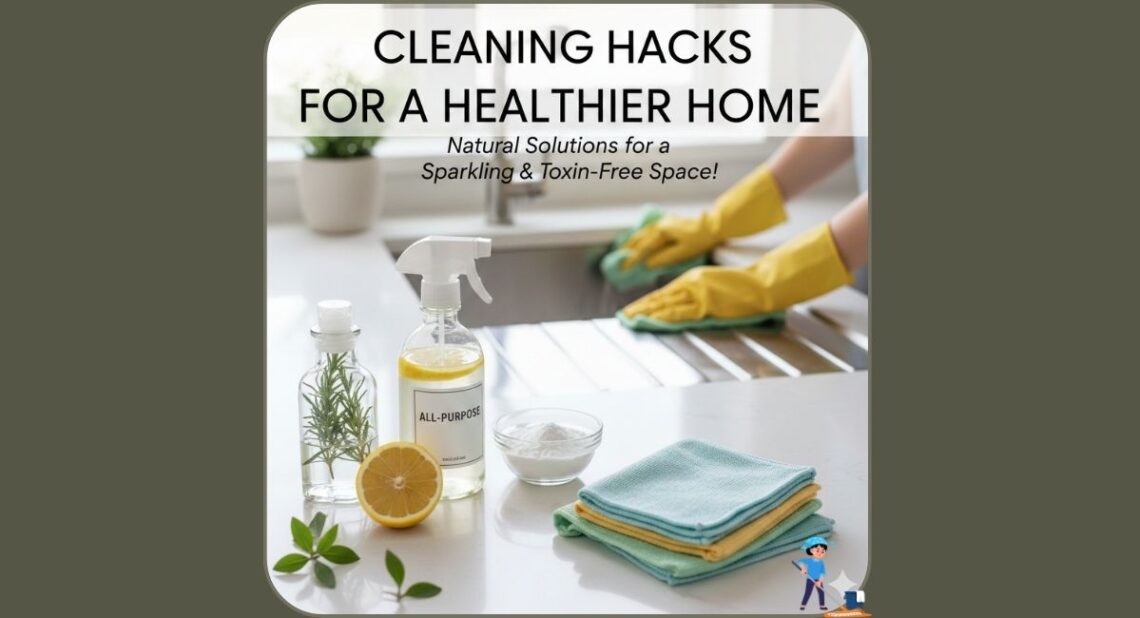
Maintaining a clean home is about more than just appearance. A healthier home reduces allergens, bacteria, and mold while creating a space that supports physical and mental well-being. While professional cleaning products are widely available, natural and simple techniques can be both effective and safe. Implementing practical cleaning habits can improve air quality, prevent illness, and create a comfortable living environment without exposing your family to harsh chemicals.
The Importance of a Healthy Home Environment
A clean home contributes to overall health by reducing exposure to contaminants that trigger allergies, asthma, and other respiratory issues. Dust, pet dander, and mold accumulate in hidden corners and can affect everyone in the household. Additionally, surfaces touched frequently like door handles, kitchen counters, and bathroom sinks are hotspots for bacteria and viruses. Routine cleaning with safe, effective methods minimizes the risk of infections and keeps your living space fresh.
Indoor air quality plays a significant role in a healthy home. Dust, pollen, and chemical residues from synthetic cleaners can circulate through HVAC systems, worsening respiratory problems and causing fatigue. Using natural disinfectants and eco-friendly cleaning products not only maintains hygiene but also reduces chemical exposure, benefiting both the environment and your household.
Everyday Cleaning Habits That Make a Difference
Consistency in cleaning is key to maintaining a healthy home. Simple daily habits can prevent buildup of dirt and germs.
- Wipe High-Touch Surfaces: Use a microfiber cloth with a natural disinfectant to clean doorknobs, light switches, and kitchen handles. Regular wiping prevents bacteria accumulation.
- Declutter Frequently: Clutter traps dust and makes cleaning more difficult. Keeping surfaces clear allows for easier cleaning and reduces stress.
- Vacuum and Sweep: Carpets and rugs collect dust, pollen, and pet hair. Vacuuming at least twice a week with a HEPA filter helps reduce airborne particles.
- Air Circulation: Open windows when possible to bring in fresh air and reduce indoor pollutants. Ceiling fans and air purifiers can also improve airflow.
Kitchen Cleaning Tips for Safety and Hygiene
The kitchen is a high-traffic area that requires careful attention. Food spills, grease, and moisture can attract bacteria and pests. Incorporating natural cleaning methods keeps the kitchen sanitary without harsh chemicals.
- Countertops: Mix equal parts water and white vinegar or use a mild natural cleaner to wipe down surfaces. Avoid using acidic solutions on stone surfaces like granite.
- Cutting Boards: Prevent cross-contamination by cleaning boards with hot water and baking soda. Lemon juice can help remove odors.
- Sink and Faucets: Sprinkle baking soda and scrub with a damp sponge to remove grime. Finish with a rinse of vinegar to disinfect.
- Appliances: Regularly wipe down microwaves, fridges, and ovens. A paste of baking soda and water can help remove stubborn stains.
For more eco-friendly kitchen practices, refer to guides like Simple Eco-Friendly Habits to Start Today and Best Eco-Friendly Cleaning Products in 2025.
Bathroom Cleaning Without Harsh Chemicals
Bathrooms can harbor mold, mildew, and bacteria. Using safe, natural cleaning products reduces health risks while keeping surfaces sparkling.
- Tiles and Grout: Apply a paste of baking soda and water on grout lines. Let sit for 10 minutes and scrub with a brush. Rinse thoroughly.
- Showerheads: Soak in vinegar to remove mineral buildup and prevent mold growth.
- Toilets: Pour baking soda into the bowl, scrub, then rinse with water. Vinegar can also be used to disinfect without strong chemical odors.
- Mirrors and Glass: Use a mix of water and vinegar or a mild soap solution to wipe streak-free.
Natural Methods for Air Freshness
Artificial air fresheners often contain chemicals that can irritate lungs and trigger allergies. Natural methods keep your home smelling fresh without compromising air quality.
- DIY Air Fresheners: Simmer herbs like rosemary, cinnamon sticks, or citrus peels in water to release natural scents.
- Houseplants: Plants like spider plants and peace lilies filter indoor air and improve oxygen levels. Check Top Best Indoor Plants for Clean Air and Style for options.
- Essential Oils: Diffusing oils like lavender or eucalyptus can reduce odors and provide a calming atmosphere.
Laundry and Fabric Care for a Healthy Home
Clothes, bedding, and upholstery harbor bacteria, dust mites, and allergens. Proper care ensures hygiene and comfort.
- Washing: Use hot water for bed linens and towels to eliminate germs. Gentle, natural detergents protect skin and the environment.
- Drying: Sun-drying whenever possible kills bacteria and mold spores naturally.
- Upholstery: Vacuum sofas and chairs regularly. Sprinkle baking soda before vacuuming to remove odors and dirt.
Seasonal Deep Cleaning and Preventive Measures
Deep cleaning every few months tackles areas often neglected in daily routines. Preventive measures maintain cleanliness and reduce allergens.
- Windows and Curtains: Wash curtains or vacuum them to remove dust. Clean windows with a natural solution of water and vinegar.
- Closets and Storage: Organize and air out storage spaces to prevent mold and insect infestation.
- Carpets and Rugs: Rotate rugs and deep clean carpets using steam or baking soda treatments.
- HVAC Filters: Replace or clean air filters to maintain airflow and reduce dust circulation.
Safe and Natural Disinfectants
Choosing the right cleaning agents is essential for a healthy home. Many household items provide effective cleaning without harsh chemicals.
- Vinegar: A mild acid that disinfects surfaces and removes odors.
- Baking Soda: Excellent for scrubbing, deodorizing, and removing stains.
- Lemon Juice: Natural antibacterial and stain-fighting properties.
- Castile Soap: Gentle yet effective for cleaning a variety of surfaces.
- Hydrogen Peroxide: Disinfects and whitens without harmful residues.
For detailed insights, see guides like DIY Natural Air Fresheners and Simple Ways to Save Water at Home.
Common Mistakes to Avoid
Even well-intentioned cleaning can backfire if certain practices are overlooked.
- Overusing Chemicals: Strong chemical cleaners can irritate skin and respiratory systems. Rotate with natural alternatives.
- Ignoring High-Touch Areas: Bacteria multiply quickly on frequently touched surfaces. Regular attention prevents buildup.
- Using Dirty Tools: Sponges and mop heads harbor bacteria. Wash or replace cleaning tools often.
- Skipping Ventilation: Proper airflow prevents mold and improves indoor air quality.
Frequently Asked Questions
How often should I clean high-touch surfaces?
High-touch surfaces should be wiped daily with a natural disinfectant to prevent germ buildup.
Are natural cleaners as effective as chemical ones?
Yes, ingredients like vinegar, baking soda, and hydrogen peroxide can disinfect, deodorize, and remove stains effectively.
Can houseplants improve indoor air quality?
Certain houseplants reduce pollutants and increase oxygen, contributing to cleaner indoor air.
What is the best way to prevent mold in bathrooms?
Regular ventilation, wiping down wet surfaces, and using natural disinfectants help prevent mold growth.
How can I maintain a clean home with pets?
Vacuum frequently, wash pet bedding, and wipe paws to reduce allergens and maintain hygiene.
Final Thoughts
Creating a healthier home is a combination of daily habits, safe cleaning methods, and preventive measures. Focusing on natural, non-toxic solutions enhances safety for your family while keeping your home comfortable and fresh. Implementing practical cleaning techniques consistently not only improves physical health but also contributes to a calm and organized living space. Regular attention to both visible and hidden areas ensures your home remains a place of well-being and vitality. For further eco-friendly cleaning inspiration, explore Why Sustainable Living is Easier Than You Think and Best DIY Projects to Make Your Home Greener.