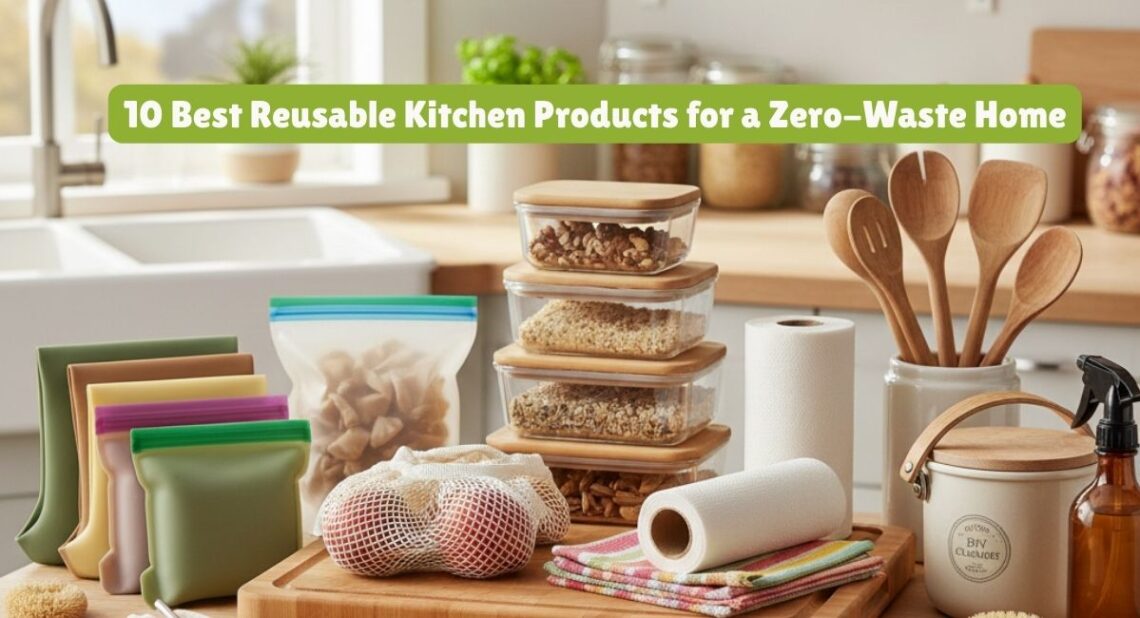
Creating a zero-waste kitchen is not about perfection or throwing everything out at once. It is about making steady, thoughtful changes that reduce daily waste, save money over time, and support a healthier living space. The kitchen is often the biggest source of household waste in American homes, from food packaging to disposable paper products and plastic tools that wear out quickly.
Choosing the Best Reusable Kitchen Products for a Zero-Waste Home helps cut down trash at the source. Reusable kitchen items are not just an eco-friendly choice. They also tend to be more durable, safer for food storage, and more aesthetically pleasing on your counter. When selected carefully, these products fit into daily routines without extra effort.
This guide is designed as a practical manual. It explains why each product matters, how to choose quality options, how long they last, and how they reduce waste in real life. You will also find comparison tables, care tips, and answers to common questions people search for when building a zero-waste kitchen.
If you are just starting, you may also find value in this related guide on creating a low-waste cooking space:
10 Simple Steps to Create a Zero-Waste Kitchen at Home
Why Reusable Kitchen Products Matter More Than Ever
Single use kitchen products seem convenient, but their environmental cost adds up fast. Paper towels, plastic wrap, disposable sponges, and storage bags often end up in landfills after minutes of use. Many are not recyclable due to food contamination.
Reusable kitchen items address several issues at once:
• Reduced household waste volume
• Lower long-term spending on disposables
• Fewer chemicals touching food
• Less plastic entering water systems
• Better organization and food freshness
According to waste audits in the US, kitchen waste accounts for nearly half of household trash. Replacing just a few disposable habits with reusable alternatives can reduce weekly waste bags significantly.
Reusable does not mean complicated. The best products fit naturally into how people already cook, clean, and store food.
1. Reusable Food Storage Containers
No zero-waste kitchen works without reliable food storage. Disposable plastic bags and flimsy containers are often the first items to replace.
High quality reusable food containers are made from glass, stainless steel, or food-grade silicone. They keep leftovers fresh, prevent spills, and eliminate the need for single use wrap.
What makes them essential
• Replace plastic bags and takeout containers
• Improve food freshness and reduce spoilage
• Safe for repeated washing and heating
• Easier to organize fridge and pantry
Glass containers are ideal for leftovers and meal prep. Stainless steel works well for lunches and dry goods. Silicone containers are flexible and space saving.
Storage Container Comparison Table
| Material | Best Use | Lifespan | Dishwasher Safe | Notes |
| Glass | Leftovers, baking | 10+ years | Yes | Heavy but long lasting |
| Stainless Steel | Lunches, pantry | 15+ years | Yes | Lightweight and durable |
| Silicone | Snacks, freezing | 5–10 years | Yes | Flexible and compact |
Care tips
Avoid sudden temperature changes with glass. Let hot food cool slightly before sealing. Wash silicone with baking soda occasionally to remove odors.
Reusable containers also pair well with mindful meal planning, which you can explore further here:
Mindful Eating and Hydration: Healthy Bond with Water
2. Beeswax Wraps and Plant Based Food Covers
Plastic wrap is one of the most common kitchen disposables. Beeswax wraps and plant based alternatives provide a reusable way to cover food without synthetic materials.
These wraps are made from cotton fabric coated with beeswax, resin, and plant oils, or from vegan wax blends. They mold around bowls, bread, cheese, and cut produce using warmth from your hands.
Why they work well
• Replace plastic wrap and foil
• Breathable for certain foods like bread and cheese
• Washable and reusable for up to a year
• Compostable at end of life
They are especially useful for items that do not need airtight storage.
When not to use them
Avoid raw meat or very hot food. Use containers for liquids or soups.
This small change can remove hundreds of feet of plastic wrap from your waste stream each year.
3. Reusable Produce Bags
Thin plastic produce bags are rarely reused and rarely recycled. Reusable produce bags are a simple swap that reduces plastic use instantly.
These bags are typically made from organic cotton mesh or recycled polyester. They are lightweight, washable, and accepted at most grocery stores.
Benefits beyond waste reduction
• Allow produce to breathe
• Easy to see contents
• Strong enough for bulk items
• Reduce checkout bagging time
Keep a few in your car or grocery tote so they are always available.
Produce Bag Material Guide
| Material | Best For | Washability | Durability |
| Cotton Mesh | Fruits and vegetables | Machine washable | High |
| Recycled Polyester | Bulk grains | Machine washable | Medium |
| Solid Cotton | Small items | Machine washable | High |
Reusable produce bags work well alongside other simple eco habits described here.
4. Reusable Paper Towel Alternatives
Paper towels are convenient, but they create constant waste. Reusable cloth alternatives serve the same purpose with far less impact.
Options include cotton cloths, bamboo fiber towels, and unpaper towels that snap onto a roll.
Why people stick with them
• Handle spills, cleaning, and drying
• Washable hundreds of times
• Softer on surfaces
• Lower ongoing cost
Many households keep a mix of reusable cloths and reserve paper towels only for emergencies.
Usage tip
Assign specific colors for different tasks, such as one color for counters and another for floors.
If you are also rethinking cleaning habits, this guide on eco-friendly cleaning products is helpful.
5. Stainless Steel or Glass Drinking Straws
Plastic straws are banned in some places, but they still appear in many kitchens. Reusable straws eliminate the need entirely.
Stainless steel, glass, and silicone straws each have advantages.
• Stainless steel lasts the longest
• Glass allows you to see inside for cleaning
• Silicone is gentle for kids
Cleaning brushes usually come included, making upkeep simple.
While straws are a small item, replacing disposables reduces plastic entering waterways.
6. Durable Eco Utensils
Cheap plastic utensils crack, melt, and wear down quickly. Eco utensils made from wood, bamboo, stainless steel, or silicone are built to last.
Why eco utensils are better
• Do not leach chemicals when heated
• Gentle on cookware
• Longer usable life
• Better grip and balance
A basic set might include a wooden spoon, spatula, tongs, and ladle.
Utensil Material Comparison
| Material | Heat Resistance | Dishwasher Safe | Lifespan |
| Bamboo | Medium | No | 3–5 years |
| Wood | Medium | No | 5–10 years |
| Stainless Steel | High | Yes | 15+ years |
| Silicone | High | Yes | 10+ years |
Using durable utensils reduces replacement frequency and landfill waste.
7. Reusable Coffee Filters and Tea Infusers
Single use coffee filters and tea bags often contain plastic fibers and create daily waste. Reusable filters and infusers provide the same function without disposables.
Stainless steel or organic cotton coffee filters work with most drip machines and pour over setups. Loose leaf tea infusers replace packaged tea bags.
Why they are popular
• Better flavor control
• No recurring purchases
• Easy to rinse and reuse
• Reduce packaging waste
This is one of the easiest habits to maintain once adopted.
8. Silicone Baking Mats and Reusable Baking Tools
Parchment paper and foil are often used once and thrown away. Silicone baking mats replace both for baking and roasting.
They create a non stick surface and can handle high oven temperatures.
Advantages in daily cooking
• Consistent baking results
• Easy cleanup
• No greasing required
• Long lifespan
Pairing these mats with reusable baking tools like metal cooling racks and glass mixing bowls reduces waste further.
9. Sustainable Dish Brushes and Scrubbers
Synthetic sponges shed microplastics and wear out quickly. Sustainable alternatives use natural fibers like coconut husk, wood, and cellulose.
These brushes clean effectively and compost more easily at end of life.
Why they outperform plastic sponges
• Better scrubbing power
• Less odor buildup
• Replaceable heads available
• Lower environmental impact
10. Refillable Soap Dispensers and Solid Dish Soap
Plastic soap bottles are often replaced monthly. Refillable dispensers and solid dish soap reduce plastic packaging and last longer.
Solid dish soap bars clean dishes just as well as liquid soap and often contain fewer additives.
How this swap helps
• Cuts plastic bottle waste
• Takes up less storage space
• Long-lasting and cost-effective
• Works with reusable brushes
Using refill stations or bulk options further reduces waste.
How to Build a Zero-Waste Kitchen Without Overwhelm
Transitioning does not require replacing everything at once. Focus on items you use daily and replace them when they wear out.
A practical approach
• Start with food storage and cleaning tools
• Add reusable options gradually
• Choose quality over quantity
• Store items where they are easy to reach
Cost Comparison: Reusable vs Disposable Over Time
| Item | Disposable Annual Cost | Reusable One-Time Cost | Savings Over 3 Years |
| Paper Towels | $120 | $30 | $330 |
| Plastic Bags | $80 | $25 | $215 |
| Plastic Wrap | $45 | $20 | $115 |
| Sponges | $60 | $20 | $160 |
Reusable kitchen items often pay for themselves within the first year.
Maintenance and Care Guide
Proper care extends the life of reusable products.
• Wash natural fibers promptly
• Air dry when possible
• Avoid harsh chemicals on wood
• Store silicone clean and dry
Simple maintenance keeps these items hygienic and effective for years.
Environmental Impact Beyond the Kitchen
Reducing kitchen waste supports broader sustainability goals, including lower water use, reduced energy consumption, and cleaner indoor air. You may also enjoy learning about:
• Saving water at home
• Energy efficient homes
• Greener home projects
Frequently Asked Questions
Are reusable kitchen products safe for food contact?
Yes, when made from food grade materials like glass, stainless steel, silicone, and untreated wood. Always check manufacturer details.
Do reusable items really reduce waste if they need washing?
Yes. The water and energy used to wash reusables is far less than what is required to produce, transport, and dispose of single use items.
How long do reusable kitchen products last?
Many last several years or longer with proper care. Glass and stainless steel often last decades.
Can a zero-waste kitchen still be convenient?
Yes. Once habits form, reusables feel just as natural as disposables, often more reliable.
What is the easiest reusable swap to start with?
Reusable food containers and cloth towels are usually the most noticeable and rewarding changes.
Are reusable kitchen items more expensive upfront?
Some cost more initially, but they save money over time by replacing repeated purchases.
How do I store reusable items without clutter?
Choose stackable containers, hang cloths, and keep frequently used items within reach.
Final Thoughts
The Best Reusable Kitchen Products for a Zero-Waste Home are not about trends. They are practical tools that support healthier routines, reduce waste, and lead to long-term savings. Each reusable item replaces dozens or even hundreds of disposables over its lifetime.
By focusing on durable materials, thoughtful design, and everyday usability, a zero-waste kitchen becomes simple and sustainable. Over time, these choices create a home that reflects care for both personal well-being and the environment.
Small changes in the kitchen often lead to bigger shifts throughout the home, shaping habits that last far beyond the countertop.