In 2026, the cleaning aisle looks very different from what it did even a few years ago. Rows of chemical-heavy sprays and artificially scented detergents are slowly being replaced by greener, gentler, and smarter alternatives. Eco-friendly cleaning products are no longer a niche for health-conscious shoppers or sustainability enthusiasts. They’ve become mainstream choices for families, renters, and businesses that care about what they bring into their homes and what flows out into the environment.
The shift isn’t just about keeping up with trends. It’s part of a broader awareness of how our cleaning habits affect indoor air quality, water systems, and long-term health. From biodegradable dish soaps to refillable surface sprays and plant-based detergents, today’s market offers far more options than ever before. Yet, with this abundance of choice comes confusion. What truly counts as eco-friendly? Which products actually perform well? And how can you be sure that “green” isn’t just a marketing label?
Let’s explore these questions in depth while also highlighting what defines the best eco-friendly cleaning products in 2026, what features to look for, and how they are reshaping modern homes.
The Changing Meaning of Clean
For decades, a “clean” home was one that smelled strongly of bleach or ammonia. That sharp chemical scent was once associated with hygiene and effectiveness. Today, many people are realizing that the very substances we used to trust for cleanliness can be harmful to breathe or touch regularly. Volatile organic compounds, artificial dyes, and synthetic fragrances have been found to trigger allergies, respiratory irritation, and even long-term health effects.
Eco-friendly cleaning is based on a simple philosophy: a space can be truly clean only when it’s healthy for the people living in it and gentle on the planet it inhabits. This new idea of cleanliness focuses not only on spotless counters or streak-free glass but also on the air you breathe, the water that drains away, and the residue left behind.
In 2026, more manufacturers are recognizing that sustainability doesn’t have to mean sacrifice. Through innovations in chemistry, packaging, and formulation, green cleaning products are now competing directly with their conventional counterparts in performance and cost. The days when “eco” meant “less effective” are fading fast.
What Makes a Cleaning Product Eco-Friendly
There isn’t one single definition, but the best eco-friendly cleaning products generally share a few core traits. These traits ensure that what’s inside the bottle, and the bottle itself, minimize harm and maximize efficiency.
1. Plant-Based Ingredients
Instead of relying on petroleum-derived chemicals, green cleaners often use ingredients derived from plants such as coconut oil, corn, or sugarcane. These sources provide surfactants (the active cleaning agents) that break down grease and dirt effectively without leaving toxic residues.
2. Biodegradability
An eco detergent or cleaner should break down naturally into harmless substances when it enters waterways. This prevents pollution and keeps aquatic ecosystems healthier. When reading a label, look for “readily biodegradable” rather than just “biodegradable,” since the latter can sometimes be loosely defined.
3. Non-Toxic Formulas
Safety for humans and pets is a major reason people switch to green cleaning. Non-toxic cleaning products avoid harmful compounds such as chlorine bleach, ammonia, formaldehyde, or synthetic fragrances with phthalates. They’re designed to be gentle enough for sensitive skin yet strong enough to remove dirt effectively.
4. Low or No VOCs
Volatile Organic Compounds (VOCs) are chemicals that evaporate into the air and can contribute to indoor pollution. Eco-friendly cleaners are typically low-VOC or VOC-free, making your home’s air fresher and safer.
5. Responsible Packaging
The sustainability of a cleaning product doesn’t end with what’s inside. Many modern brands now offer recyclable, compostable, or refillable packaging. Some use concentrated formulas that require less plastic and space during shipping. Others sell solid cleaning bars or dissolvable tablets that reduce waste dramatically.
6. Transparency and Certification
Trustworthy companies are upfront about their ingredient lists and sourcing. While certifications like EPA Safer Choice, Green Seal, or cruelty-free logos can be helpful, the most important sign is clear ingredient transparency. If a company hides behind vague terms like “proprietary blend,” it’s worth asking why.
The Rising Stars of 2026
The eco-friendly cleaning market in 2026 is rich with innovation. New companies are emerging with refill systems and bio-based formulations that perform as well as conventional cleaners. Established brands are also reformulating their classics to remove toxins and adopt sustainable packaging.
Several key trends are defining the year:
Bioenzyme and Microbial Formulas
Enzyme-powered cleaners use natural proteins to break down organic matter such as food spills, pet stains, or grease. Microbial cleaners go a step further by using beneficial bacteria that continue cleaning even after application. These are particularly popular for laundry, bathroom, and kitchen surfaces.
Concentrates and Refill Pods
Liquid cleaning products are mostly water. In 2026, brands are increasingly offering concentrates or solid pods that you mix with water at home. This reduces shipping emissions and plastic packaging while also saving storage space.
Plastic-Free Packaging
From cardboard cartons to aluminum bottles and refill pouches, brands are getting creative with how they package their products. Even labels and adhesives are being redesigned for easier recycling.
Scent from Nature
Artificial fragrances are being replaced by natural essential oils. Scents like lemon, eucalyptus, and lavender not only smell fresh but can also provide mild antibacterial or deodorizing properties. For those who prefer scent-free options, fragrance-free formulas are now more common and better-performing.
Fair and Ethical Sourcing
Eco-consciousness isn’t just about the environment anymore. Many brands in 2026 emphasize fair trade sourcing, ethical labor practices, and cruelty-free testing.
How to Choose the Right Green Cleaner
Switching to eco-friendly cleaning can be simple once you understand what matters most. Here’s how to make informed choices:
- Read ingredient lists carefully. If the list is short, clear, and recognizable, that’s a good sign.
- Avoid vague claims. Terms like “eco,” “green,” or “natural” aren’t regulated. Focus on specifics like “biodegradable,” “non-toxic,” or “plant-derived.”
- Check for concentration. Concentrated formulas last longer and reduce waste.
- Look for refill programs. Refillable cleaning systems save plastic and money in the long run.
- Match product to purpose. Use targeted cleaners for heavy-duty areas like bathrooms or ovens, and milder ones for everyday surfaces.
- Consider allergies and sensitivities. Choose unscented or essential-oil-scented versions if strong smells bother anyone in your household.
Comparison Table: Evaluating Green Cleaners
| Feature | Why It Matters | What to Look For |
| Ingredients | Defines safety and performance | Plant-based, biodegradable, non-toxic |
| Packaging | Determines environmental impact | Refillable, recyclable, compostable materials |
| Certification | Offers credibility | Recognized eco or cruelty-free labels |
| Concentration | Reduces waste and cost | Refill pods, tablets, concentrated liquids |
| Surface Compatibility | Prevents damage or residue | Multi-surface or task-specific instructions |
| VOC Content | Affects indoor air quality | Low or zero VOC |
| Scent Source | Impacts health and comfort | Essential oils or unscented formulas |
| Cost per Use | Indicates real value | Compare by dilution ratio and refill options |
Use this table as a checklist when you shop. Sometimes, the product that looks most sustainable might not perform well or fit your lifestyle. Comparing across these categories helps balance ethics, health, and practicality.
Understanding Product Types and Uses
The eco-friendly cleaning category covers many products. Below are some major types and what to expect from each:
All-Purpose Cleaners
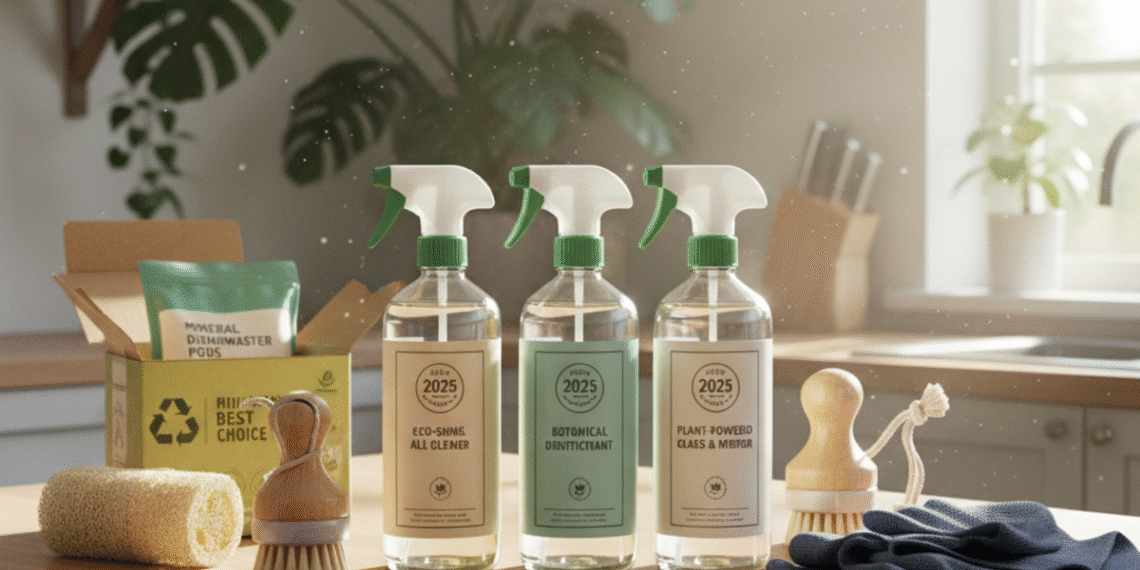
Ideal for daily use on countertops, sinks, appliances, and furniture. The best versions in 2026 are enzyme-boosted and streak-free. They often come in reusable spray bottles with concentrated refills.
Laundry Detergents
Eco detergents now rival conventional ones in stain-fighting power. Many are free from optical brighteners and work well in cold water cycles, reducing energy use. Some even include probiotics to keep fabrics fresher for longer.
Dish Soaps and Dishwasher Pods
These have improved significantly. Biodegradable dish soaps cut through grease without drying hands. Dishwasher tablets now use water-soluble wrappers instead of plastic film, leaving no trace behind.
Bathroom Cleaners
For bathrooms, look for products with citric acid or bio-based agents that fight soap scum and limescale naturally. Vinegar-based blends are popular, though newer formulas neutralize vinegar’s strong scent with mild natural oils.
Floor and Wood Cleaners
Eco-friendly floor cleaners tend to use mild surfactants and vegetable-based solvents safe for sealed wood, laminate, and tile. Many brands now offer refill packs that minimize packaging.
Glass and Window Sprays
These rely on vinegar, ethanol, or plant-based alcohol for streak-free shine without ammonia. They work as well as old-style formulas but are safer for lungs and skin.
Why Eco-Friendly Products Can Cost More
It’s natural to notice that green cleaners sometimes cost more than conventional brands. This is partly due to higher ingredient costs and smaller production scales, but also because of the long-term sustainability built into the design.
When you buy a biodegradable cleaner, you’re supporting research into renewable ingredients, ethical sourcing, and eco-safe packaging. The cost often includes third-party testing and certifications that ensure honesty. Over time, however, refills, concentrated formulas, and durability balance out the higher upfront cost.
If you compare cost per use instead of cost per bottle, eco-friendly products often match or beat traditional ones. For instance, a concentrated cleaner that lasts three times longer actually saves money in the long term.
Mistakes to Avoid When Going Green
- Assuming “natural” means safe. Natural doesn’t automatically mean harmless. Check for irritants or allergens even in plant-based formulas.
- Buying too many products. Eco brands often offer multipurpose cleaners. You can reduce clutter and waste by choosing one versatile formula.
- Ignoring packaging impact. A great formula in a non-recyclable bottle still adds waste. Always check for sustainable packaging.
- Overusing products. More isn’t better. Concentrated green cleaners are designed to work with less, so follow label directions.
- Skipping patch tests. Even gentle cleaners can react differently on certain surfaces or fabrics. Always test first.
Example Comparison of Three Green Cleaning Products
| Product | Type | Biodegradable | Packaging | Key Features | Cost per Use | Notes |
| PurePlanet Multi-Surface Spray | All-purpose | Yes | Refillable aluminum bottle | Enzyme blend, lavender scent | Moderate | Great daily use cleaner |
| CleanStream Laundry Drops | Laundry detergent | Yes | Glass dropper refills | Cold-water enzyme formula | Low | Long-lasting concentrate |
| BrightHome Bathroom Gel | Bathroom/tile | Yes | 100% recycled plastic | Plant acids, eucalyptus oil | Moderate | Excellent for limescale |
These examples show the balance between functionality and sustainability. The ideal choice depends on your priorities—performance, packaging, scent, or budget.
Bringing Green Cleaning Into Your Home
Transitioning to eco-friendly cleaning doesn’t need to be overwhelming. Start small and build momentum over time.
Begin by replacing one or two products you use most often, like your all-purpose spray or dish soap. Notice the difference in how they smell, feel, and clean. Most people find that once they try one high-performing eco product, it becomes easier to switch the rest.
Keep a refill system in your cleaning routine. Many brands now deliver refills in compostable pouches or water-soluble pods. These reduce the need for constant bottle replacements.
If you enjoy DIY projects, you can even supplement store-bought products with homemade ones for specific tasks. Simple blends of baking soda, vinegar, and lemon juice still have their place, though newer eco products are more balanced and longer-lasting.
The Environmental Impact of Green Cleaning
Every bottle of non-toxic cleaner makes a difference. Conventional cleaning products often release chemicals that accumulate in waterways and contribute to air pollution. Green alternatives break down more safely, reducing chemical buildup and protecting marine life.
The impact extends beyond water quality. Concentrated refills and recyclable packaging cut shipping emissions and plastic waste. The growing popularity of eco detergents and biodegradable products also sends a powerful message to manufacturers—showing that consumers value health and responsibility as much as shine and scent.
In many ways, the rise of green cleaning is a reflection of how people view their homes: not just as private spaces but as parts of a larger ecosystem.
Common Questions About Eco-Friendly Cleaning
Q: Are eco-friendly cleaners really effective against tough stains and germs?
A: Yes. Modern formulas use advanced plant enzymes and bio-based ingredients that target grease, grime, and bacteria without harsh chemicals. Many can even handle kitchen grease or bathroom buildup as effectively as conventional cleaners.
Q: Can I use these products with traditional cleaning tools like mops and sponges?
A: Absolutely. Most eco-friendly cleaners are compatible with standard tools. Some even recommend reusable microfiber cloths for better results and less waste.
Q: Are they safe for homes with pets or babies?
A: Generally yes, since they avoid toxic fumes and residues. Still, it’s wise to keep cleaning products out of reach and follow usage directions.
Q: Do eco-friendly products expire faster?
A: Some do, especially enzyme-based or microbial cleaners, since they rely on natural ingredients. Always check the label for storage guidelines and expiration dates.
Q: What should I do with empty containers?
A: Most eco products are designed for refills or recycling. Clean the container thoroughly before recycling, or check if the brand offers mail-back or local refill programs.
Q: Can eco detergents handle cold water laundry?
A: Yes, many modern eco detergents are optimized for cold or warm water cycles, which also saves energy.
Q: How can I tell if a brand is truly sustainable or just using green marketing?
A: Look for transparent ingredient lists, evidence of third-party certification, and clear sustainability goals. Genuine brands will share details about sourcing, packaging, and environmental commitments.
The Future of Green Cleaning
Looking ahead, the next phase of eco-friendly cleaning will likely involve even more innovation. Researchers are developing cleaning agents based on renewable biotechnologies that perform specific cleaning functions at the molecular level. Packaging will continue to shrink, and the concept of single-use plastic bottles will fade further.
Consumers will also play a role. As awareness grows, more people will hold companies accountable for false claims or excessive packaging. Transparency will become a standard expectation, not a bonus feature.
By 2026, green cleaning is not just an eco-friendly lifestyle choice. It represents a collective effort to redefine what “clean” means. It’s about creating spaces that look beautiful, smell fresh, and protect both people and the planet.
Final Thoughts
The best eco-friendly cleaning products in 2026 prove that caring for your home and caring for the Earth can go hand in hand. The progress made in green chemistry, packaging innovation, and consumer awareness means that you no longer have to compromise between performance and responsibility.
Choosing eco detergents, non-toxic cleaners, and biodegradable solutions is more than a purchasing decision. It’s a quiet but powerful act of sustainability. Every refill bottle, every plant-based spray, and every biodegradable dish pod contributes to a cleaner, healthier world—both inside your home and beyond your front door.
If you begin with a few thoughtful changes, you’ll soon find that green cleaning feels not just better for the environment, but better for you. Your home will smell fresher, your conscience will feel lighter, and your daily routines will reflect a modern understanding of what true cleanliness means in 2026.