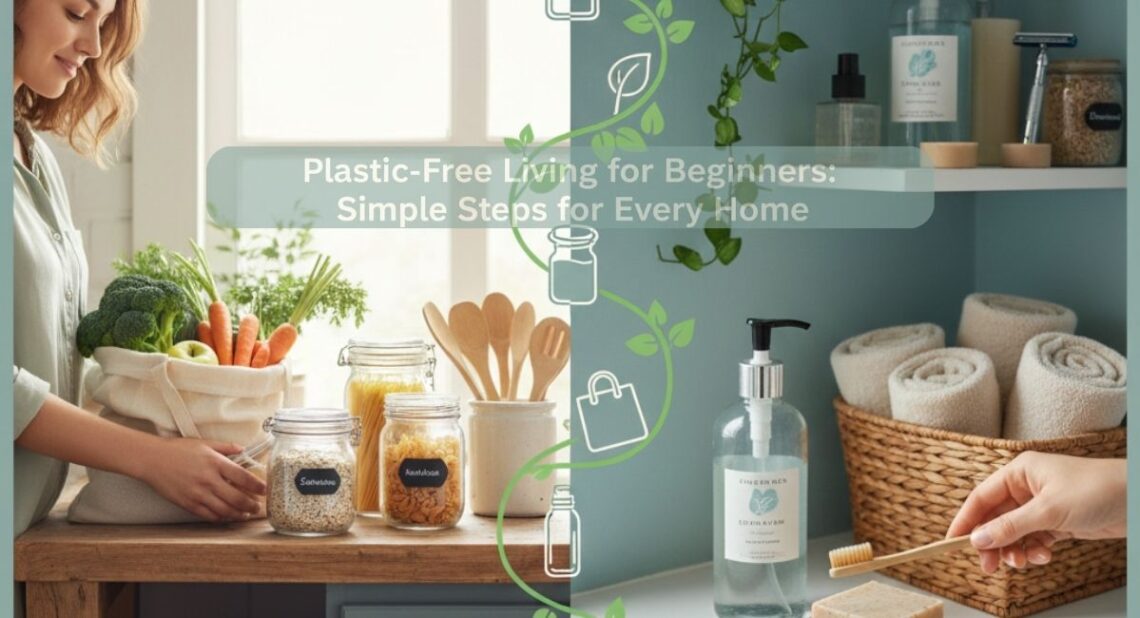
Plastic has quietly become one of the most persistent environmental challenges in our daily lives. It is in our kitchens, bathrooms, and even in the clothes we wear. While convenient, single-use plastic contributes to pollution, harms wildlife, and can even affect human health. Living plastic-free might seem like a massive change, but it doesn’t have to be overwhelming. By making small, intentional changes, you can move toward a zero-waste lifestyle while keeping your home practical and functional.
This plastic-free guide is designed for beginners looking to reduce plastic use at home with simple, actionable steps. It blends everyday habits, eco swaps, and zero-waste living ideas that are easy to implement for anyone.
Starting Small: Your Kitchen and Pantry
The kitchen is usually the first place where plastic accumulates. From storage containers to grocery packaging, it’s easy to overlook the impact of everyday items. Transitioning to a plastic-free kitchen starts with mindful swaps.
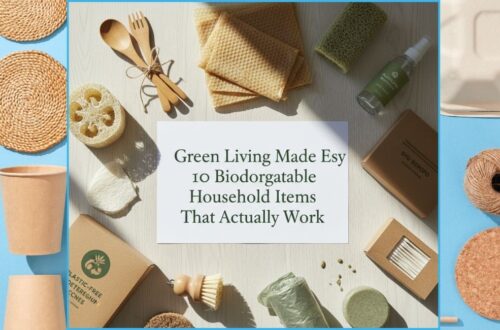
- Replace single-use plastic wrap with beeswax wraps or reusable silicone lids
- Store food in glass or stainless steel containers rather than plastic boxes
- Bring reusable bags to the grocery store to avoid plastic packaging
- Choose bulk items like grains, nuts, and spices to cut down on individually wrapped products
Plastic-Free Kitchen Swap Guide:
| Plastic Item | Eco-Friendly Alternative | Benefits |
| Plastic wrap | Beeswax wraps / Silicone lids | Reusable and biodegradable |
| Single-use water bottles | Stainless steel / Glass bottles | Long-lasting, safe for family |
| Plastic storage bags | Silicone reusable bags | Freezer safe and versatile |
| Disposable straws | Bamboo or stainless steel straws | Durable, easy to clean |
Even small changes in the kitchen can significantly reduce plastic waste over time. Pairing these swaps with conscious grocery shopping can further enhance zero waste living.
Grocery Shopping Without Plastic
Shopping choices play a major role in plastic consumption. By changing how and what you buy, you can reduce waste dramatically:
- Bring your own reusable bags for every shopping trip
- Buy in bulk when possible to limit packaging
- Choose items in glass, paper, or metal packaging instead of plastic
- Shop at farmers’ markets to buy fresh produce without packaging
Adopting these habits can make grocery trips more intentional and environmentally friendly while supporting local businesses.
Eco Swaps for Everyday Life
Beyond the kitchen, everyday routines often involve hidden plastics in personal care, cleaning products, and household items. Making deliberate swaps can improve both sustainability and your family’s health.
- Use bar soaps instead of liquid soaps in plastic bottles
- Switch to bamboo toothbrushes and refillable dental products
- Make your own DIY cleaners using simple ingredients (guide here)
- Avoid products with microplastics or non-recyclable packaging
These changes are simple but create a lasting impact when practiced consistently.
Reducing Plastic Through Reuse and Repurposing
Plastic-free living isn’t just about buying alternatives. It’s also about rethinking how we use the things we already own.
- Repurpose jars, containers, and bottles for storage or crafts
- Reuse shopping bags and boxes instead of tossing them
- Repair items instead of replacing them with new plastic versions
Adopting a reuse mindset reduces waste and encourages creativity and mindfulness in everyday life.
Managing Waste Smartly
Even when plastic use cannot be avoided, managing waste responsibly can reduce environmental harm.
- Compost organic waste instead of sending it to landfills
- Sort recyclables and ensure they are clean and dry
- Donate or sell items rather than discarding them
- Be cautious of microplastic sources such as synthetic fabrics
Waste Management Table:
| Waste Type | Action | Notes |
| Organic | Compost | Reduces landfill load and enriches soil |
| Plastic | Recycle | Clean and sort for better recycling outcomes |
| Electronics | E-waste centers | Prevents toxic plastic contamination |
| Clothing with synthetic fibers | Donate or upcycle | Reduces microplastic pollution |
Smart waste management complements zero waste living ideas and makes plastic-free transitions easier.
Zero Waste Living Ideas for Every Room
Plastic-free living can be incorporated into multiple areas of your home. Here are practical tips for each space:
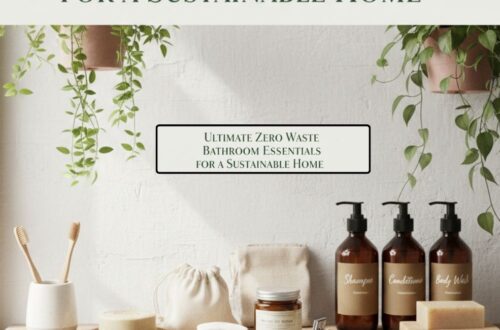
- Bathroom: Switch to bar soaps, refillable shampoo and conditioner bottles, bamboo toothbrushes, and cotton pads
- Bedroom: Choose clothing made from natural fibers instead of synthetic materials
- Living Room: Use reusable decor items and limit disposable plastic decorations
- Office / Workspace: Refill pens and markers, reduce single-use packaging for supplies
Additionally, integrating plants not only improves air quality but can also reduce the need for disposable decor items.
Related Guide: Top 8 Best Indoor Plants for Clean Air and Style
Tracking Your Plastic-Free Progress
Keeping track of changes can motivate and guide your plastic-free journey. Monitoring progress helps you identify areas for improvement and celebrate successes.
| Week | Plastic Items Replaced | Notes / Observations |
| 1 | 5 | Started with reusable bottles and bags |
| 2 | 8 | Switched to beeswax wraps and silicone storage |
| 3 | 12 | Began bulk shopping and DIY cleaning products |
| 4 | 15 | Fully implemented bathroom swaps |
Tracking progress also helps you share tips with family and friends, spreading the impact of zero waste living.
Frequently Asked Questions
Q: Where should I start if I’m new to plastic-free living?
Begin with one area, like the kitchen or bathroom. Small, consistent changes are easier to maintain than trying to switch everything at once.
Q: Are eco-friendly alternatives expensive?
While some products have a higher upfront cost, they save money in the long term. Items like stainless steel bottles and silicone bags can last for years.
Q: Can families realistically live plastic-free?
Yes. By gradually replacing single-use plastics and involving all household members, a zero waste lifestyle is achievable.
Q: How do I avoid microplastics in personal care products?
Check ingredient labels for microbeads and synthetic polymers. Choose natural alternatives like bar soaps and bamboo products.
Q: Can online shopping be plastic-free?
Yes. Opt for sellers using minimal or recyclable packaging and consolidate orders to reduce packaging waste.
Q: Does reducing plastic impact health?
Lowering exposure to plastics reduces contact with chemicals like BPA and other toxins, which can benefit long-term health.
Making Plastic-Free Living a Habit
Living plastic-free is a journey, not a one-time task. It’s about consistent, small steps that accumulate into a lifestyle change. By starting with your home, shopping habits, and personal care routines, you create a foundation for zero waste living.
Simple eco swaps, mindful consumer choices, and tracking your progress make the process manageable. Over time, these habits become second nature, reducing plastic use while promoting a healthier, more sustainable home environment.
For more guidance and practical eco-friendly ideas, explore these resources:
- Plastic-free Food Storage Tips
- Plastic-free Living Tips
- Simple Eco-Friendly Habits to Start Today
- Simple Steps to Create a Zero-Waste Kitchen
- DIY Natural Air Fresheners
With intentional choices and everyday adjustments, a plastic-free lifestyle is achievable for anyone willing to take small, steady steps.