
There’s something special about a home that has plants in it. The air feels fresher, the colors seem softer, and even the quiet corners start to feel alive. Indoor plants do more than fill empty spots; they bring balance, warmth, and a touch of nature that every modern space needs.
In today’s world, where we spend most of our time indoors, a bit of green life can make a surprising difference. Some houseplants are known to help filter common indoor pollutants, while others simply add a sense of calm and connection to the natural world. The best part is that you don’t need to be an expert gardener to enjoy them.
If you’re looking for the best indoor plants that can help keep your air cleaner and your space stylish, this guide takes you through eight that truly stand out. Each one has its own personality, from bold and sculptural to delicate and graceful.
Why Indoor Plants Matter for Air and Mood
Every home, no matter how clean, contains small amounts of airborne particles and compounds that come from paints, furniture, and even everyday products like cleaning sprays. While it’s impossible to completely remove these, having certain plants can help lessen their impact. Plants take in carbon dioxide, release oxygen, and can absorb trace amounts of chemicals through their leaves and roots.
But the benefits go far beyond air. Studies have shown that being around greenery can reduce stress, improve concentration, and make people feel calmer. That’s probably why we often gravitate toward nature when we want to recharge. Having indoor plants brings a piece of that tranquility inside your walls.
Choosing the Right Plants for Your Space
Before diving into the list, it helps to know what works best for your lifestyle and environment. Here are a few things to think about before choosing your plants.
- Lighting: Observe your space during the day. Some plants love bright light while others are happy in the shade.
- Watering: Be honest about how often you’ll remember to water. Some plants prefer dry soil, others need consistent moisture.
- Size: A tall palm may overwhelm a small room, while a trailing ivy might be perfect for a bookshelf.
- Pets and children: A few plants are mildly toxic if ingested. If you have pets or small kids, check safety lists before buying.
- Style: Your plants should complement your home’s design. Large, glossy leaves can modernize a space, while softer ferns or vines add a cozy touch.
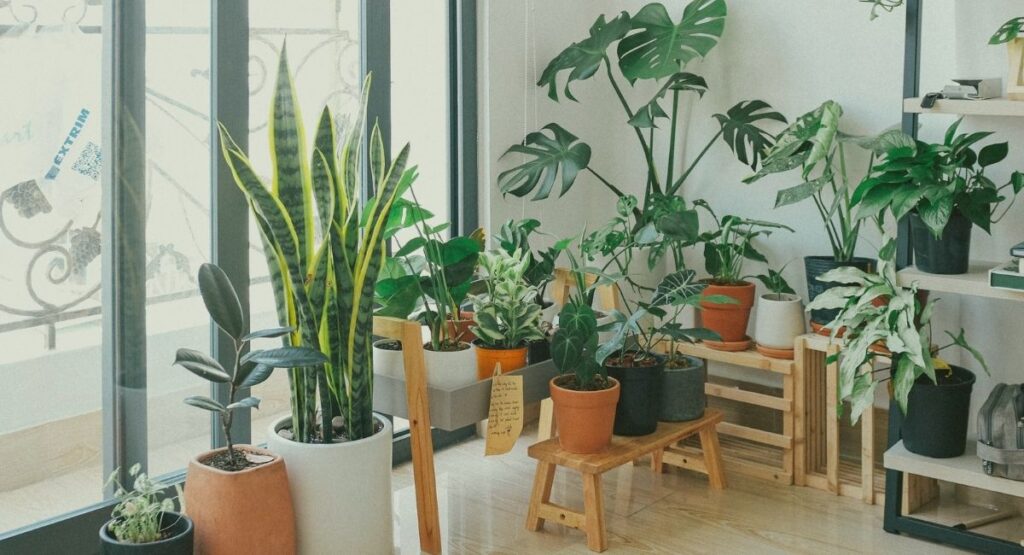
1. Snake Plant
If you only get one plant, make it a snake plant. It’s tough, sculptural, and almost impossible to kill. The upright, sword-like leaves grow in striking patterns of green and yellow, adding height and a sense of structure to any room.
Snake plants are often praised for their ability to handle neglect. You can forget to water them, leave them in dim light, and they’ll still stand proud. They’re also known to absorb certain airborne compounds found in cleaning products and paints.
Care tips:
- Light: Tolerates low light but also thrives in bright, indirect sun.
- Water: Let the soil dry out completely between watering. Overwatering is the only real mistake.
- Placement: Great for bedrooms or offices where you want calm energy.
Style idea: Pair it with a matte black or woven basket pot to highlight its vertical lines. It looks especially good against white or light-colored walls.
2. Peace Lily
The peace lily is one of the most graceful plants you can bring indoors. With its deep green leaves and white blooms, it adds an instant sense of calm. It’s also one of the easier flowering plants to care for.
Peace lilies prefer moderate, indirect light. Their glossy leaves help filter certain airborne pollutants, and their natural beauty makes them an ideal centerpiece.
Care tips:
- Light: Bright, indirect light is perfect, but it can manage in medium shade.
- Water: Keep soil slightly moist. If it droops, that’s your reminder it’s thirsty.
- Note: Keep it out of reach of pets, as it can be mildly toxic if chewed.
Style idea: Use a neutral ceramic pot to highlight the blooms. A peace lily in the entryway or living room adds quiet sophistication.
3. Areca Palm
Few plants say “fresh air” like the areca palm. Its feathery fronds sway gently, bringing tropical charm and a relaxing atmosphere. It’s also one of the best large indoor plants for adding height and filling empty corners.
Areca palms release moisture into the air, which can help reduce dryness indoors. They prefer bright but filtered light, so near a curtained window is ideal.
Care tips:
- Light: Bright, filtered sunlight. Avoid direct harsh rays.
- Water: Keep the soil evenly moist, but not wet.
- Bonus tip: Wipe fronds occasionally to remove dust.
Style idea: A large areca palm in a woven basket gives the room a vacation feel. It works beautifully near natural textures like wood or rattan furniture.
4. Spider Plant
The spider plant is cheerful, forgiving, and perfect for beginners. Its long, striped leaves arch gracefully from the center, and tiny “baby” plants dangle down from the ends of stems. It’s one of the best natural air helpers and among the safest for homes with pets.
Care tips:
- Light: Bright, indirect sunlight is best.
- Water: Water when the top inch of soil feels dry. It’s fine if you miss a week.
- Bonus tip: Trim brown leaf tips to keep it looking fresh.
Style idea: Hang it in a macrame holder or place it on a high shelf where the leaves can drape. It brings movement and life to dull corners.
5. English Ivy
English ivy is a classic. It can trail beautifully from shelves, climb along trellises, or be shaped into a small topiary. Its timeless green leaves soften hard edges and bring a natural texture to modern interiors.
It prefers bright, indirect light and does well in slightly cooler rooms. While it’s good at filtering the air, some varieties can be mildly toxic if eaten, so place it safely out of reach.
Care tips:
- Light: Bright, indirect light. Avoid low-light corners.
- Water: Keep soil lightly moist but let the top layer dry between watering.
- Bonus tip: Regular pruning helps maintain a neat shape.
Style idea: Try letting ivy trail from a bookcase or window ledge. It pairs beautifully with vintage pots or rustic interiors.
6. Chinese Evergreen
The Chinese evergreen, or Aglaonema, brings a pop of color with patterned leaves that range from silvery green to deep red. It’s one of the few plants that actually thrives in low light, which makes it perfect for offices or apartments with limited sun.
It’s also considered one of the easier indoor plants to grow. Its wide leaves collect dust and contribute to fresher indoor air.
Care tips:
- Light: Low to medium light. Avoid direct sun.
- Water: Keep the soil evenly moist but not soggy.
- Bonus tip: Fertilize once every few months during the growing season for lush foliage.
Style idea: Place it in a decorative pot with subtle color that complements its leaf patterns. It looks beautiful near desks, bookshelves, or side tables.
7. Rubber Plant
The rubber plant has become a favorite among modern home stylists. Its broad, dark green leaves and tall growth pattern make it a statement piece. It’s also known for its ability to adapt well to indoor conditions.
Care tips:
- Light: Bright, indirect light.
- Water: Let the top few inches of soil dry before watering again.
- Bonus tip: Wipe leaves often to keep them glossy and healthy.
Style idea: Place it in a tall ceramic pot near a window or beside furniture to give your room a sculptural focal point.
8. Boston Fern
The Boston fern is pure softness. Its fronds spill over gracefully, creating a cloud of green that instantly brightens a room. It’s also one of the best plants for adding humidity to dry spaces.
Ferns enjoy consistent moisture and a bit of extra humidity, which is why they thrive in bathrooms or kitchens.
Care tips:
- Light: Bright but indirect light.
- Water: Keep the soil moist at all times.
- Bonus tip: Mist regularly to keep fronds lush.
Style idea: Hang it near a window or place it on a stand in a room with filtered light. The delicate texture pairs well with minimalist or boho interiors.
Quick Guide to Care and Placement
| Plant | Light | Water | Best Spot | Pet Safe |
| Snake Plant | Low to bright | Low | Bedroom, office | Mildly toxic |
| Peace Lily | Medium to bright | Medium | Living room, hallway | Not safe |
| Areca Palm | Bright filtered | Medium | Living room, corner | Generally safe |
| Spider Plant | Bright indirect | Low to medium | Any room | Safe |
| English Ivy | Bright indirect | Medium | Bathroom, shelf | Toxic |
| Chinese Evergreen | Low to medium | Medium | Office, low-light room | Some toxic |
| Rubber Plant | Bright indirect | Low | Living room | Mildly toxic |
| Boston Fern | Bright indirect | Medium to high | Bathroom | Safe |
Tips to Keep Indoor Plants Happy
- Dust leaves regularly so they can breathe.
- Always check for drainage holes before watering.
- Rotate pots occasionally to ensure even growth.
- In winter, reduce watering slightly as growth slows.
- Group plants together for shared humidity benefits.
- If the air is too dry, use a small humidifier or mist plants lightly.
- Choose natural fertilizers and gentle cleaners to protect plant roots.
If you’re trying to create a healthier indoor environment overall, you might enjoy exploring simple eco-friendly habits to start today and DIY natural air fresheners. These small changes, combined with your plants, make a noticeable difference in air freshness and comfort.
Styling Ideas for Green Spaces
Think of plants as part of your design language. Instead of scattering them randomly, create mini zones of greenery.
- Use plant stands to vary height and add layers.
- Combine leafy greens with structured varieties for balance.
- Keep pots in similar tones for a cohesive look.
- Add mirrors behind plants to reflect light and make the space feel bigger.
- Try a hanging corner of trailing plants for a lush, vertical accent.
The goal is to make plants feel like they belong not as afterthoughts but as quiet companions that complete your room’s story.
Do Indoor Plants Really Purify the Air?
The truth is that while houseplants can absorb small amounts of indoor pollutants, their biggest contribution might be how they make us feel. When you step into a room filled with greenery, your body instinctively relaxes. The air feels fresher because the space feels alive.
Plants naturally support better humidity, collect dust, and encourage us to care more for our surroundings. Combined with open windows and mindful cleaning, they play a genuine role in keeping our homes healthy.
Pairing your plants with natural products like those in Best Eco-Friendly Cleaning Products in 2025 or using gentle, DIY natural air fresheners is a great way to complete the circle of clean living.
Frequently Asked Questions
Which indoor plant is best for beginners?
The spider plant and snake plant are the easiest. They’re forgiving and bounce back even if you forget to water them for a while.
Can indoor plants really help clean the air?
They can assist in reducing certain airborne compounds, but the real magic is how they improve humidity, comfort, and mental wellbeing.
What plants are safe for pets?
Spider plants, Boston ferns, and areca palms are generally pet-safe choices.
How many plants do I need?
Even a few can make a big difference. For visual balance, try one large plant and two or three smaller ones in each main living area.
Do I need to repot them often?
Usually every one to two years. If you notice roots peeking out from the bottom or growth slowing down, it’s time.
What’s the best plant for bedrooms?
Snake plants, peace lilies, and Chinese evergreens are calm, low-light-friendly choices that fit perfectly into restful spaces.
Final Thoughts
A room with living plants always feels different. They add freshness, beauty, and a subtle sense of peace that no décor item can replicate. From the elegant leaves of a peace lily to the soft arch of a fern, each plant brings its own rhythm and energy.
Choose ones that fit your light and lifestyle, care for them just enough, and let them do what they do best—make your home feel alive. Combine your greenery with mindful habits like why sustainable living is easier than you think or top energy-saving devices for every home, and you’ll have a home that’s not only beautiful but also genuinely healthier.
A few well-loved plants, a little sunlight, and your attention now and then that’s all it takes to breathe new life into your space.