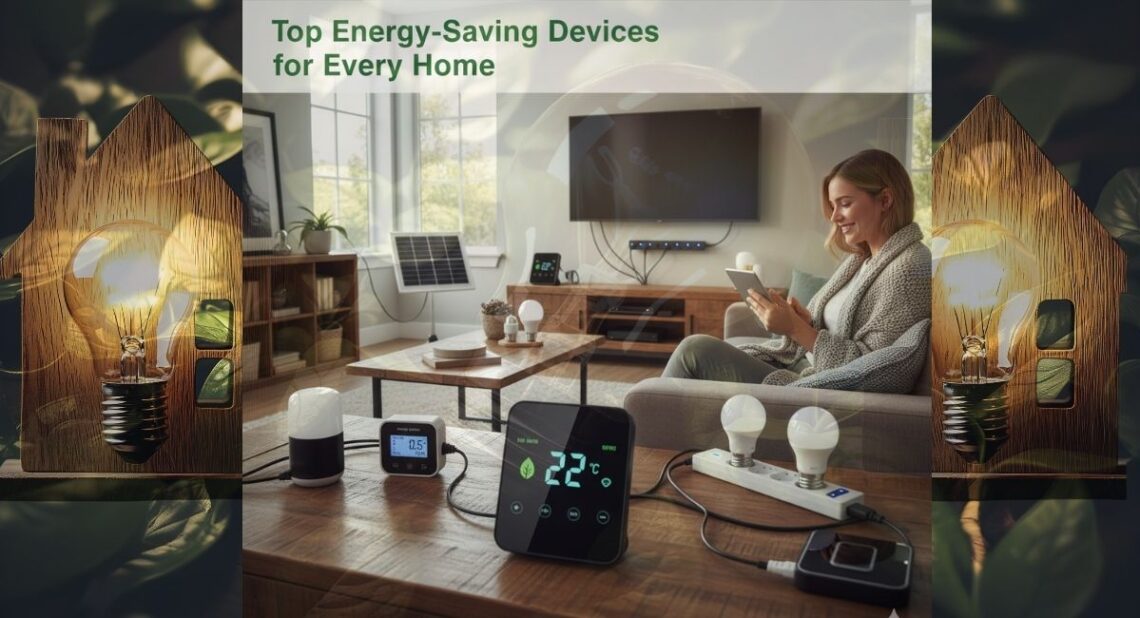
Every home has the potential to save energy without giving up comfort or convenience. In recent years, the shift toward smart technology and energy-efficient devices has changed how households across the country use electricity. What was once seen as a small eco-friendly gesture has now become an intelligent financial choice that can make a real difference in monthly utility bills.
With energy costs rising and climate awareness growing, investing in energy-efficient home gadgets is both practical and rewarding. These innovations not only reduce power bills but also make your home more comfortable and sustainable. In this guide, we’ll explore the best energy-saving devices available today and how they fit into everyday life, from smart thermostats to efficient lighting and intelligent appliances.
Why Making Your Home Energy Efficient Matters
Every time you use an appliance, charge your phone, or heat water, energy is consumed. Over time, that adds up. The average American household spends over $2,000 a year on utilities, and nearly half of that goes toward heating and cooling. Energy-efficient devices can reduce that number significantly while improving the quality of your home environment.
Beyond the cost, energy efficiency has environmental benefits. The less power we consume, the fewer resources are needed to produce it. That means lower greenhouse gas emissions and less strain on the planet’s resources. It’s a step toward cleaner living that aligns with sustainable habits discussed in Why Sustainable Living Is Easier Than You Think.
The goal of energy efficiency isn’t about restriction; it’s about smarter use. The right technology can do more with less, and you might be surprised how many areas of your home can benefit from simple upgrades.
Smart Energy Monitoring and Control Devices
Before switching appliances or upgrading systems, it helps to understand how your home currently uses energy. Smart energy monitoring devices are a good starting point. They offer real-time insights into your energy consumption so you can see which appliances draw the most power.
Smart Energy Monitors
Devices like Sense and Emporia Vue connect to your electrical panel and provide a live breakdown of energy usage. You can view data on your phone or tablet and quickly identify wasteful habits or appliances that consume more power than expected. Many of these monitors can also send alerts when something unusual happens, such as an appliance left running overnight.
Smart Plugs and Power Strips
These small, affordable tools can make a noticeable difference. A smart plug allows you to control any connected device through an app or voice command. You can schedule shut-off times or remotely power down devices when not in use. Smart power strips go a step further by automatically cutting electricity to devices that are idle, reducing what’s known as phantom or standby power consumption.
Smart Thermostats
A smart thermostat is one of the most effective energy-saving devices you can install. It learns your daily routine, adjusts temperatures automatically, and ensures your home is comfortable without wasting energy. Brands like Google Nest and Ecobee have made these systems simple to use, and studies from the U.S. Department of Energy suggest that households can save about 8% on heating and cooling costs annually by using them.
If you combine a smart thermostat with a few mindful habits like adjusting temperature settings at night or when you’re away—you’ll see even better results.
Heating, Cooling, and Lighting That Save Power
Your home’s heating and cooling systems are among the biggest energy users. By updating these or pairing them with smart controls, you can dramatically lower energy waste.
Efficient Heating Options
- Heat pumps move heat instead of generating it, which makes them far more efficient than electric furnaces.
- Infrared heaters focus on warming people and objects rather than air, offering targeted comfort without using as much electricity.
Efficient Cooling Choices
- Smart ceiling fans can sense room temperature and adjust speed automatically, using far less energy than an air conditioner.
- Evaporative coolers work well in dry climates and consume a fraction of the electricity compared to traditional air conditioners.
Better Lighting Choices
Lighting accounts for a surprising portion of electricity use. Replacing traditional bulbs with LEDs is one of the easiest and most cost-effective upgrades you can make. LEDs last up to 25 times longer than incandescent bulbs and use about 80% less energy.
Here’s a quick look at how different types of bulbs compare:
| Type of Bulb | Average Lifespan | Energy Use | Annual Cost (per bulb) |
| Incandescent | 1,000 hours | High | $8–10 |
| CFL | 8,000 hours | Medium | $3–4 |
| LED | 25,000 hours | Low | $1–2 |
LED bulbs also stay cooler and can be connected to smart lighting systems. You can program them to adjust brightness throughout the day or automatically turn off when no one is in the room. For a fresher and healthier indoor environment, check out ideas from DIY Natural Air Fresheners.
Smart Appliances in the Kitchen and Laundry Room
The kitchen and laundry room are two areas where efficiency really matters. Modern appliances are designed with sensors and smart technology that help manage energy and water use more precisely.
Refrigerators and Freezers
Newer models feature inverter compressors that adjust cooling intensity based on demand, which saves energy without compromising performance. Keeping the appliance well-ventilated and setting the right temperature range (between 35°F and 38°F for fridges) can make a noticeable difference in efficiency.
Dishwashers
Modern dishwashers now include eco-modes and soil sensors that use less water and electricity without sacrificing cleanliness. Using eco-friendly cleaning products, like those featured in Best Eco-Friendly Cleaning Products in 2025, enhances sustainability while keeping dishes spotless.
Washing Machines and Dryers
Front-load washers consume less water and detergent than top-loaders. Energy-efficient dryers that use heat pump technology can save up to 40% more power. Although they cost more initially, the long-term savings often make up for it.
Induction Cooktops
Unlike traditional stoves, induction cooktops heat only the cookware through magnetic fields, reducing waste and improving safety. They boil water faster, respond quickly to temperature changes, and are easy to clean.
Here’s a comparison of how much energy common household appliances can save when you choose efficient models:
| Appliance Type | Traditional Power Use | Energy-Efficient Model | Approx. Savings |
| Refrigerator | 700 kWh/year | 500 kWh/year | 28% |
| Dishwasher | 300 kWh/year | 200 kWh/year | 33% |
| Washing Machine | 500 kWh/year | 300 kWh/year | 40% |
| Dryer (Heat Pump) | 900 kWh/year | 500 kWh/year | 44% |
Smart Gadgets That Save Power Without Effort
Smart home gadgets have become the easiest way to manage energy. With an app or voice assistant, you can control everything from lighting to heating to water systems. These small devices help you save energy even when you forget to think about it.
Some useful examples include:
- Motion sensors that turn lights on or off based on activity.
- Automated blinds that open or close to regulate indoor temperature naturally.
- Smart water heaters that operate only when hot water is needed.
- Integrated home energy hubs that manage multiple devices from one dashboard.
hen you combine these devices with eco-friendly daily habits, such as those shared in Simple Eco-Friendly Habits to Start Today, you can see a noticeable drop in monthly bills and a cleaner, greener home environment.
Saving Water and Energy Together
Many people forget that water conservation is part of energy efficiency. Heating, pumping, and treating water all require electricity. By using water-saving devices, you can lower both your water and energy bills.
Smart Irrigation Controllers adjust watering based on weather conditions, preventing overwatering.
Tankless Water Heaters provide hot water on demand, eliminating the standby losses of traditional tanks.
Leak Detection Sensors instantly alert you to hidden leaks, preventing wasted water and unnecessary energy use.
For more easy ideas, see Simple Ways to Save Water at Home.
Building an Energy-Conscious Lifestyle
Technology helps, but true efficiency also depends on everyday habits. Turning off lights when leaving a room, washing clothes in cold water, and maintaining your appliances regularly all contribute to savings.
A home built on energy efficiency feels different. It’s more comfortable, quieter, and less wasteful. Combining efficient devices with simple behavioral changes forms a sustainable rhythm that benefits your wallet and the planet.
If you’re just beginning your journey toward sustainable living, you might enjoy reading Why Sustainable Living Is Easier Than You Think. It explains how small steps lead to lasting impact.
Frequently Asked Questions
1. What’s the quickest way to lower my home energy bill?
Start with LED lighting and a smart thermostat. They’re affordable, simple to install, and provide almost instant savings.
2. Do smart plugs actually help save electricity?
Yes. Smart plugs reduce standby power, which can make up about 10% of a household’s energy use.
3. Are energy-efficient appliances really worth the higher price?
They are. Most pay for themselves through lower bills within a few years. Plus, they often last longer and perform better.
4. How can I check a device’s energy efficiency?
Look for the blue ENERGY STAR label or check the EnergyGuide rating. These labels show how much power a device uses compared to similar models.
5. Can energy-saving gadgets reduce my carbon footprint?
Absolutely. Upgrading lighting, appliances, and heating systems can collectively lower your household’s annual emissions by several hundred pounds of carbon dioxide.
6. What are some simple habits that complement these devices?
Unplug idle electronics, wash clothes in cold water, keep vents clean, and use curtains to manage indoor temperature naturally.
7. How can I track my overall energy use at home?
A smart energy monitor can show you real-time consumption and trends. It’s one of the best tools for understanding and improving efficiency.
8. Do solar panels count as energy-saving devices?
They do, though they generate rather than save energy. Pairing them with efficient appliances and storage systems maximizes overall savings.
Final Thoughts
Energy-saving devices aren’t just about reducing bills; they redefine how we live. Each gadget, from smart thermostats to LED bulbs, contributes to a smarter, cleaner, and more sustainable home. The shift toward efficiency doesn’t require a huge investment all at once. You can start small, swap a few bulbs, install a smart plug, or upgrade one appliance and still see progress.
Over time, these choices add up. They make your home more comfortable, lower your expenses, and lessen your environmental impact. The real beauty of energy efficiency lies in how effortlessly it blends into everyday life, creating comfort that costs less and feels better.