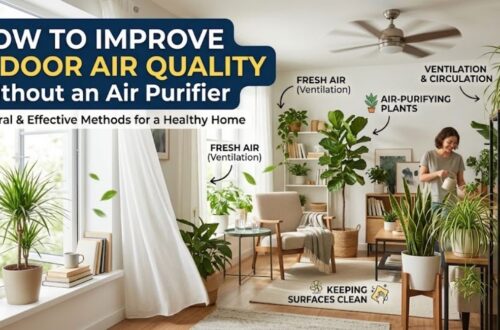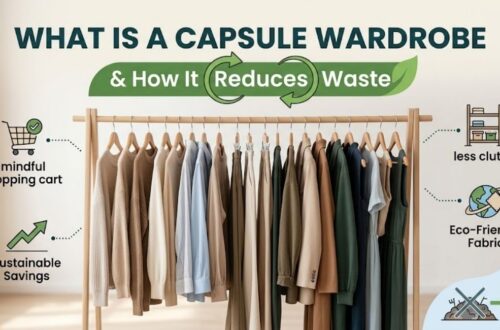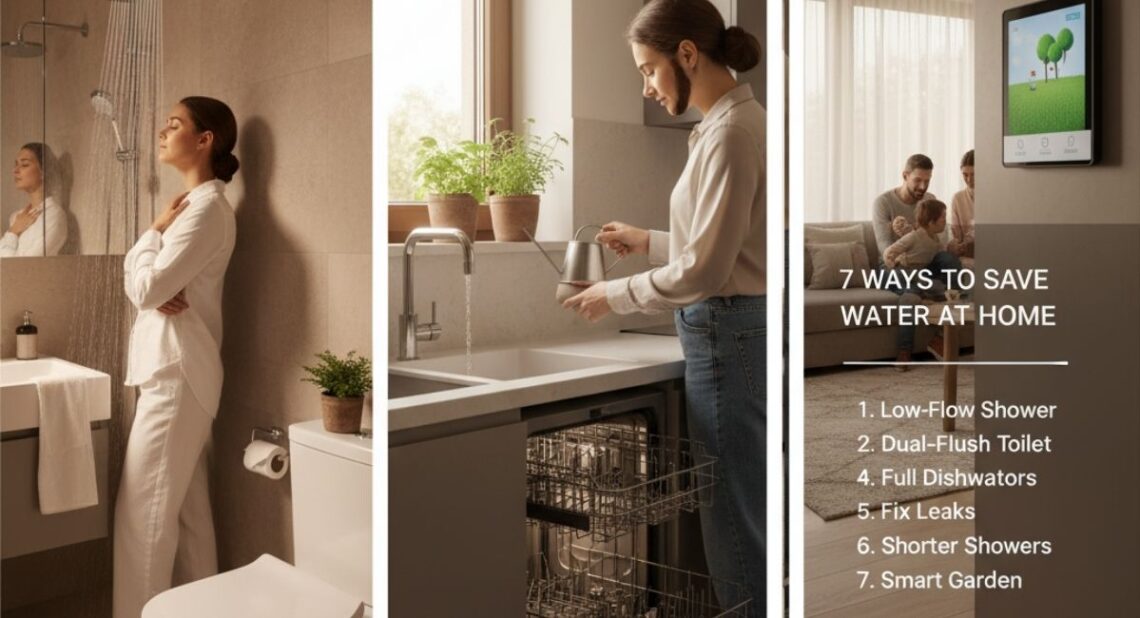
Most people want to save water but worry that doing so will mean giving up something they enjoy. Maybe it’s that long, relaxing shower after work, or the satisfaction of a lush green lawn. The truth is, saving water does not have to feel like sacrifice. With a few practical changes, you can use water wisely, lower your bills, and still enjoy the same comfort at home.
Water efficiency is not about restriction. It’s about using smarter methods and better tools. When you learn to conserve water without cutting into your daily comfort, you create a more sustainable lifestyle that also protects your wallet and your surroundings. Let’s explore seven ways to do that effectively and naturally.
1. Fix Leaks, Drips, and Hidden Water Waste
One of the simplest and most powerful ways to save water at home is to track down leaks. Even a tiny leak can waste thousands of gallons over the course of a year. The funny thing is that many leaks go unnoticed because they’re slow, quiet, or hidden behind walls and appliances.
Imagine a small drip from your bathroom faucet that happens once every second. It doesn’t seem like much, right? Over the course of a year, that can amount to more than 3,000 gallons of clean, treated water going straight down the drain for no reason. That’s enough water to take dozens of showers or fill several backyard pools.
Start by checking the places where leaks hide. Look around toilet bases, under sinks, behind washing machines, and under outdoor spigots. You can also perform a simple test using your home’s water meter. Turn off every tap and appliance that uses water, then look at the meter. If it’s still moving, water is escaping somewhere.
Toilets are another common culprit. Many of them develop a slow leak from the tank to the bowl, which you can test by adding a few drops of food coloring into the tank and waiting ten minutes without flushing. If the color appears in the bowl, you have a leak. The repair is often as simple as replacing the rubber flapper or tightening a seal.
When you fix leaks, you don’t change your lifestyle at all. You still enjoy the same showers and clean laundry, but you eliminate waste that offers no benefit. It’s the easiest way to make a difference without any trade-off in comfort.
2. Choose Efficient Fixtures and Appliances
You can save a large amount of water by upgrading the fixtures and machines you already use every day. The technology behind faucets, toilets, and washers has improved dramatically over the past decade. Modern models use far less water yet deliver the same or even better performance.
Older showerheads might use 2.5 gallons of water each minute, while modern versions use about 2 gallons or less, often with no noticeable difference in water pressure. The best models create a strong, even spray by mixing air into the flow. It feels just as refreshing as before but uses less water to do it.
Similarly, traditional toilets often flush between 3 and 5 gallons per use. High-efficiency designs today use only about 1.3 gallons. The new models work better, clear the bowl completely, and don’t require double flushing like the first low-flow toilets of the past.
Dishwashers and washing machines have made big progress too. An efficient dishwasher can clean a full load of dishes using about 4 gallons of water instead of 10 or more. Energy-efficient washing machines adjust water levels based on load size, so you’re never filling the drum more than needed.
When it’s time to replace your appliances, look for water-efficient models. They might cost a little more upfront but they quickly pay for themselves through lower utility bills.
Here’s a quick reference table for common upgrades:
| Fixture or Appliance | Estimated Water Savings | Comfort Impact |
| Faucet aerator | About 30% less water per minute | Same washing comfort |
| Low-flow showerhead | 2,000 to 3,000 gallons saved per year | Feels identical if high quality |
| High-efficiency toilet | Cuts flushing water by more than half | Works just as well |
| Efficient washer or dishwasher | 25–50% less water per cycle | Same or better cleaning results |
Choosing efficient fixtures doesn’t change how you live; it simply makes your home smarter. You’ll still enjoy long, hot showers, clean dishes, and spotless laundry, but you’ll be using less water to achieve it.
3. Adjust Habits in the Bathroom, Kitchen, and Laundry
You don’t always need new equipment to see results. A few small changes in how you use water can reduce your daily consumption dramatically. The best part is that these changes don’t take away your comfort. They just make you more mindful and efficient.
In the bathroom, the simplest step is to turn off the tap when it’s not actively in use. Many people leave the water running while brushing their teeth, shaving, or washing their face. That constant flow adds up to gallons wasted every single day.
Another habit worth revisiting is your shower routine. Instead of keeping the water running while you lather your hair or soap your body, try turning it off briefly. If you prefer long showers, that’s fine, but trimming just a minute or two off can save hundreds of gallons over a year.
When it comes to the kitchen, avoid rinsing dishes under an open tap. Use a small basin or fill one side of the sink with rinse water. If you use a dishwasher, make sure each load is full before starting it. Modern dishwashers are far more efficient than hand washing when used properly.
In the laundry room, always select the correct load size or water level. Wash full loads whenever possible and choose cold water settings when it suits the fabric. Cold cycles clean most clothes effectively while saving energy and water.
These habits may seem minor, but they quickly become second nature. After a few weeks, you’ll find yourself using less water without even thinking about it, and your routines will remain as comfortable as ever.
4. Use Smarter Outdoor and Landscape Practices
In many homes, outdoor water use accounts for almost half of total consumption, especially during summer. The good news is that you can maintain a beautiful lawn and thriving plants while using far less water. It’s not about neglecting your garden; it’s about working with nature rather than against it.
Start by watering early in the morning or late in the evening. During those times, temperatures are cooler and the sun is less intense, which means less evaporation. Midday watering wastes a surprising amount of water because much of it evaporates before it reaches the roots.
If you have an irrigation system, check it regularly for leaks or misaligned spray heads. Adjust sprinklers so that they water the lawn and plants, not driveways or sidewalks. Consider switching to a drip irrigation system for flower beds and vegetable gardens. Drip systems deliver water directly to the roots, reducing waste and helping plants grow stronger.
Mulching around plants is another small but powerful change. A two- or three-inch layer of mulch keeps soil moist longer, prevents weeds, and reduces the need for frequent watering.
Lastly, take a look at your landscape design. Native and drought-tolerant plants naturally need less water once established. By replacing a portion of your traditional grass lawn with these plants, you can cut your outdoor water use dramatically while still keeping your yard green and vibrant.
Here’s a simple guide for outdoor care:
| Outdoor Activity | Water-Saving Tip | Comfort or Appearance Impact |
| Lawn watering | Water early morning or late evening | Healthier lawn, less evaporation |
| Garden care | Add mulch and use drip irrigation | Stronger plants, less frequent watering |
| Car washing | Use a bucket and hose nozzle | Same clean car, less water waste |
| Pool or fountain care | Cover pools to reduce evaporation | Maintains water level easily |
A well-planned landscape is both beautiful and efficient. It reflects care, not compromise.
5. Reuse and Repurpose Water When Safe
One of the most underappreciated ways to save water is by reusing it when possible. You don’t need complex plumbing systems to make this work. With a few creative adjustments, you can repurpose water that would otherwise go to waste.
When washing fruits or vegetables, collect the rinse water in a bowl or basin instead of letting it flow down the drain. That water is perfectly fine for watering plants or rinsing outdoor surfaces later. You can also collect the water that runs while you wait for the shower to warm up and use it to fill your mop bucket or flush the toilet manually.
If you live in an area that allows it, consider installing a rain barrel to capture rainwater from your roof. This stored water can be used for outdoor plants, lawns, and even car washing. It’s free and naturally soft, which plants often love.
You can also reuse water from cooling or dehumidifying systems if it’s clean. Even simple habits, like saving leftover drinking water to feed your houseplants, make a difference.
The important thing is safety. Never reuse water that contains soap, grease, or chemicals on edible plants. Stick with clean or lightly used water, and always store it in covered containers to prevent contamination.
Reusing water adds a thoughtful layer of efficiency to your household. It doesn’t affect your comfort in any way, but it stretches the value of every gallon you pay for.
6. Monitor, Measure, and Build Awareness
Knowing how much water you use is the first step to reducing it comfortably. Most households never track their consumption beyond paying the monthly bill. If you start paying attention to the numbers, you can spot waste early and make smarter adjustments.
Check your water bill each month and look for sudden increases. If you see a spike without explanation, you may have a leak or unintentional waste somewhere. You can also track your daily habits using a simple log or app to see where most of your water goes.
A household water audit once or twice a year is helpful. Walk through your home and yard to check for leaks, inefficient fixtures, or bad watering habits. Make it a family project so everyone learns to recognize waste.
Incorporating these checks into your routine helps build long-term awareness. Once you’re aware, it becomes easy to maintain balance between comfort and conservation. You might still enjoy a morning shower and a green lawn, but you’ll do it more mindfully.
You can even set goals, like reducing your monthly water bill by ten percent or keeping outdoor watering within a certain limit. Treat it as a personal challenge. Many people find it motivating to see measurable results over time.
7. Plan Long-Term and Invest in Smart Solutions
While quick fixes and habit changes deliver great results, long-term planning creates sustainable success. When you think ahead, you design a home that naturally conserves water without you having to think about it every day.
If you ever remodel your bathroom or kitchen, choose fixtures that use less water by design. Consider installing a tankless water heater to reduce the time you spend waiting for hot water. During landscaping projects, design gardens with water-efficient irrigation and drought-friendly plants.
For outdoor systems, smart irrigation controllers can automatically adjust watering schedules based on weather forecasts, soil conditions, and time of day. These devices take the guesswork out of lawn care and save a lot of water over the course of a year.
You might also explore greywater systems that reuse lightly used water from sinks, showers, or laundry for outdoor use. Depending on local rules, these systems can significantly reduce your need for fresh water.
Long-term solutions require some investment, but they provide comfort and savings for many years. They also increase your home’s value because water-efficient homes are becoming more desirable.
Here’s a quick manual-style guide to keep track of your water-saving routine:
| Task | Frequency | How to Do It | Notes |
| Inspect toilets for leaks | Every 3 months | Use food coloring test | Easy DIY fix saves hundreds of gallons |
| Check faucet aerators | Twice a year | Replace worn aerators | Improves efficiency instantly |
| Wash full loads | Each use | Wait until full before starting | Saves time, energy, and water |
| Track water bills | Monthly | Compare usage over time | Detects leaks early |
| Inspect irrigation system | Seasonally | Adjust sprinkler direction | Keeps plants healthy and water use low |
| Reuse rinse water | As needed | Collect and reuse safely | Adds extra efficiency |
| Upgrade old fixtures | Annually or during renovation | Choose high-efficiency models | Long-term savings |
These actions create a reliable rhythm of awareness, making conservation effortless and consistent.
Frequently Asked Questions
1. Do low-flow showerheads make showers feel weaker?
Not at all. Modern designs use pressure-compensating technology that keeps the spray strong while reducing water volume. Most people cannot tell the difference once they switch.
2. Will watering less harm my garden or lawn?
Watering less frequently but more deeply is actually healthier for plants. It encourages deeper roots, which makes them more resilient during dry spells. The key is to water smarter, not necessarily less often.
3. How much money can I really save?
It depends on your water rates and current usage, but many households see reductions of 10 to 30 percent on their water bills after adopting just a few of these methods.
4. Can I safely reuse greywater?
Yes, in some cases. You can reuse water from rinsing fruits, collecting shower warm-up water, or capturing rainwater. Just avoid reusing water that contains soap, chemicals, or grease on edible plants.
5. Is it worth replacing appliances just to save water?
If your appliances are old, definitely. Efficient models save both water and energy, lowering your bills over time. The upfront investment usually pays for itself within a few years.
6. How can I get my family on board?
Start with simple, visible actions. Explain the benefits in terms of savings, environmental impact, and convenience. Make it a shared goal and celebrate progress together.
7. What if I live in an apartment or rental?
You can still make a difference. Use faucet aerators, take shorter showers, collect water for plants, and report leaks to your landlord quickly. Even small changes add up when everyone participates.
Final Thoughts
Saving water at home without losing comfort is not only possible, it’s easier than most people think. Every action, from fixing leaks to reusing water and upgrading fixtures, adds up to meaningful savings over time. These choices don’t take away your enjoyment; they refine it.
When you start to notice the positive effects—a lower water bill, a greener yard, or just the satisfaction of using resources responsibly—you realize that conservation is not about doing less. It’s about doing things smarter.
Water is one of the most precious elements of daily life. Protecting it begins at home, one thoughtful habit at a time. By applying these seven strategies, you can make your home more efficient, your bills lighter, and your lifestyle even more comfortable.