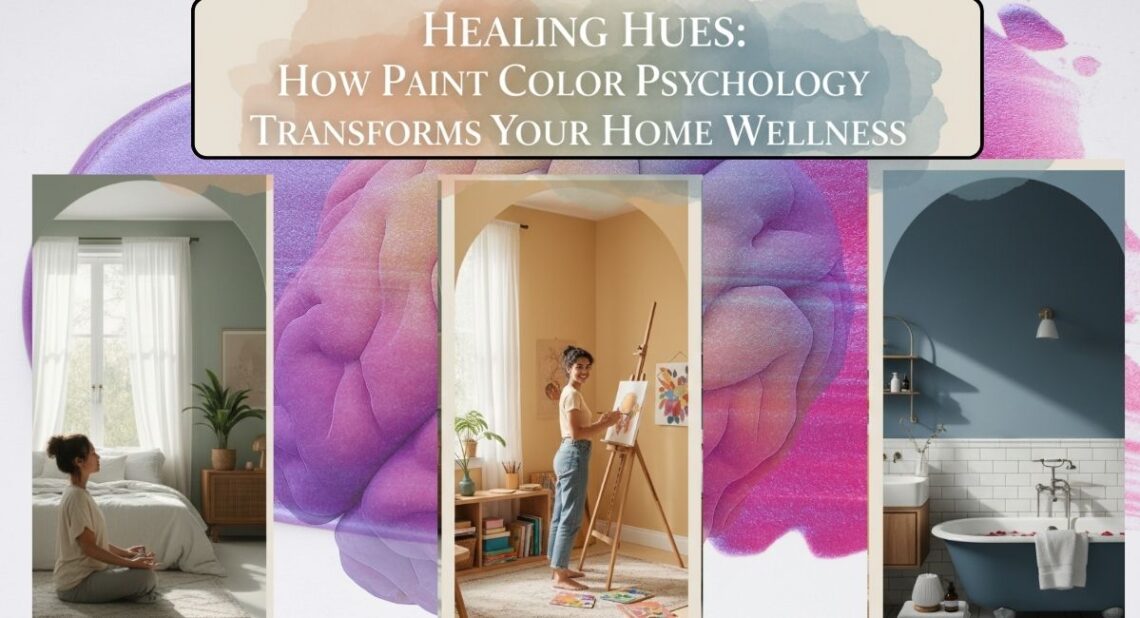
Why Color Matters More Than You Think
The colors inside your home influence far more than decoration. They shape your mood, focus, stress response, and even your sleep cycle. Paint Color Psychology for Home Wellness is rooted in environmental psychology and behavioral science. It studies how color affects emotional and physiological responses within interior spaces.
Many people focus on wellness through habits like hydration, indoor plants, cleaner air, and preparing Healthy Eco-Friendly Lunch Ideas. While those choices matter, the visual environment quietly impacts your nervous system every single day. Before you consciously process a room, your brain has already reacted to its dominant hue.
When chosen intentionally, mood colors can calm your mind, support productivity, or create warmth and comfort. Understanding how color psychology works allows you to design a home that supports emotional balance and steady home energy.
The Science Behind Paint Color Psychology for Home Wellness
Color enters the eye as light waves. These signals travel to the brain’s hypothalamus, which influences hormones, heart rate, and circadian rhythm. That is why certain colors make you feel relaxed while others increase alertness.
Cool tones such as blue and green tend to slow breathing and reduce tension. Warm tones such as red and orange stimulate energy. Neutral shades provide balance and visual rest.
Scientific observations in environmental design show that color can influence:
• Stress levels
• Concentration
• Sleep quality
• Appetite patterns
• Perceived room temperature
Paint Color Psychology for Home Wellness works best when paired with other healthy home habits. For example, combining calming wall colors with natural lighting ideas to save energy strengthens both visual comfort and sustainability.
Blue and Green: Building a Calm and Restorative Environment
Blues and greens consistently support relaxation. These shades mimic nature, water, and sky. The human brain associates them with safety and stability.
Bedrooms and Sleep Support
Soft blue or muted green in a bedroom encourages slower breathing and a steady nighttime rhythm. These colors reduce visual stimulation, which helps the body prepare for sleep. Pairing calming paint with healthy routines such as those discussed in wellness sleep hacks water evening routine enhances rest quality.
Avoid overly bright or neon tones. Muted versions work best because they create softness without overwhelming the senses.
Living Rooms and Shared Spaces
In gathering areas, sage green or dusty blue promotes conversation without overstimulation. These hues work well with natural textures like wood, cotton, and linen. When combined with indoor greenery from top best indoor plants for clean air and style, the effect becomes even more grounding.
Calm home energy starts with reducing visual tension. Cool hues do this naturally.
Earth Tones and Neutrals: Stability and Grounded Home Energy
Earth-inspired shades such as clay, beige, mushroom, and warm taupe provide emotional steadiness. These colors reflect soil, sand, and stone, which signal safety to the brain.
Home Offices and Productivity
In workspaces, warm neutrals reduce distraction without feeling sterile. Bright white can feel harsh, while dark gray may feel heavy. A balanced greige or soft taupe creates clarity while maintaining comfort.
When paired with sustainable upgrades like top energy saving devices for every home, these tones reinforce a mindful, efficient environment.
Entryways and Transitional Spaces
Entry areas benefit from grounded shades. They ease the mental shift from busy outdoor environments into a calmer indoor atmosphere.
Neutrals also complement eco-friendly habits such as plastic-free living tips, reinforcing a clean and intentional aesthetic.
Yellow, Orange, and Warm Hues: Energy With Balance
Warm colors stimulate the nervous system. Used thoughtfully, they increase motivation and creativity.
Soft buttery yellow in a breakfast nook encourages alertness. Muted peach in a creative space promotes inspiration. However, intense saturated tones may cause agitation if overused.
Accent walls are often more effective than painting an entire room. Small doses maintain warmth without overwhelming the senses.
Kitchens often respond well to gentle warm undertones. These colors encourage connection and appetite. When paired with mindful cooking practices such as preparing Healthy Eco-Friendly Lunch Ideas, the space feels active yet steady.
White and Gray: Minimalism and Mental Clarity
White reflects light and creates openness. However, stark white can feel clinical. Warm whites and off-whites offer a softer alternative.
Gray remains popular in modern design, but undertones matter. Blue-gray feels cool and calm. Beige-gray feels warm and inviting. Dark charcoal should be balanced with adequate lighting to avoid heaviness.
Minimal color palettes align well with sustainable living approaches discussed in why sustainable living is easier than you think. Fewer visual distractions encourage mental clarity and mindful consumption.
Kitchen and Dining Room Color Psychology
The kitchen influences eating habits and social interaction. Color subtly shapes appetite and mood.
Soft greens support balance and health-focused choices. Warm neutrals feel welcoming without overstimulation. Deep red can increase appetite, while very dark blue may reduce it.
If your goal is to encourage mindful meals and Healthy Eco-Friendly Lunch Ideas, select shades that feel natural and grounded. Pair color choices with zero-waste practices from simple steps to create zero waste kitchen for a fully integrated wellness space.
Bathroom Colors and Emotional Reset
Bathrooms serve as spaces for renewal. Cool blue, seafoam green, and light gray reinforce cleanliness and freshness. Earthy spa-inspired tones such as sand or muted clay create warmth.
Enhance the effect by incorporating eco-conscious elements like those found in zero waste bathroom essentials. When paint, products, and lighting work together, the room becomes restorative rather than purely functional.
Workspaces and Focus-Driven Design
With remote work becoming common, home office color matters more than ever. Muted greens promote sustained focus. Soft beige-gray tones reduce eye strain.
Avoid bold reds or bright yellows directly in your visual field during long work hours. These may increase tension over time.
Combining supportive paint with healthy daily habits such as hydration routines from hydration and mental clarity creates a workspace that supports both productivity and well-being.
Sustainable Paint Choices and Indoor Air Quality
Wellness design includes paint composition. Choose low VOC or zero VOC formulas to reduce indoor air pollutants. This improves respiratory health and overall comfort.
After painting, maintain air quality using eco-friendly cleaning methods from cleaning hacks for a healthier home. Color psychology works best in a clean, toxin-conscious environment.
How to Choose the Right Mood Colors for Your Space
Start with intention. Ask how you want to feel in the room. Calm. Energized. Focused. Grounded.
Test paint samples in different lighting conditions. Observe them in morning light, afternoon brightness, and evening warmth. Undertones shift depending on sunlight and artificial lighting.
Consider:
• Natural light exposure
• Room size
• Ceiling height
• Flooring and furniture tones
Paint Color Psychology for Home Wellness is most effective when tailored to your lifestyle and environment rather than trends.
Bringing It All Together: Designing a Home That Supports Well-Being
Healing hues shape daily experience in subtle but powerful ways. When your bedroom supports rest, your kitchen encourages mindful eating, and your workspace enhances focus, overall home energy improves.
Pair intentional paint choices with sustainable habits such as composting at home guide and eco-friendly wellness routines. The goal is not perfection but consistency.
Color is a daily influence. It greets you in the morning and surrounds you at night. By choosing shades that align with emotional and physical well-being, you create a living space that supports health naturally and continuously.