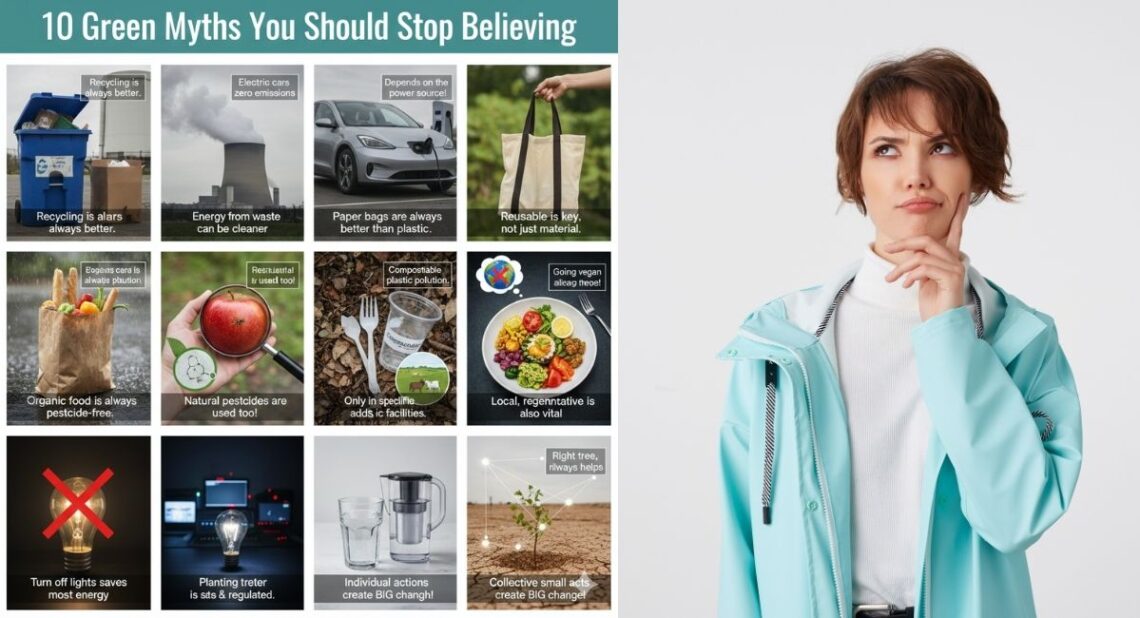
In today’s world, sustainability is more than a buzzword. People are increasingly aware of climate change, pollution, and resource depletion. Yet, many green myths continue to circulate, causing confusion and ineffective eco-practices. Believing in these myths can waste time, money, and energy, and may even undermine genuine efforts to live sustainably. This article examines ten common green myths, separating fact from fiction and helping you make informed choices for a more eco-conscious life.
Myth 1: Paper Bags Are Always Better Than Plastic
Many people assume switching to paper bags automatically reduces environmental impact. While paper is biodegradable, its production consumes significant water, energy, and trees. Some studies suggest that producing a single paper bag can have a higher carbon footprint than a reusable plastic bag used multiple times. A more effective approach is to use durable reusable bags, which can be cloth, recycled plastic, or hybrid materials.
Myth 2: All Organic Products Are Environmentally Friendly
Organic farming avoids synthetic pesticides and fertilizers, but it doesn’t always mean low environmental impact. Organic crops often require more land to produce the same yield as conventional farming, potentially leading to deforestation and habitat loss. The key is to choose organic products from farms that also prioritize soil health, water conservation, and reduced transportation emissions. For tips on eco-friendly purchases at home, check out simple eco-friendly habits to start today.
Myth 3: Energy-Efficient Appliances Solve All Energy Problems
Energy-efficient devices are helpful, but they don’t eliminate overall energy consumption. Many households continue to use old appliances alongside new ones, sometimes leading to a phenomenon called the rebound effect, where people consume more energy because they feel more efficient. Pairing energy-efficient products with mindful habits, such as turning off devices when not in use and optimizing natural light, creates meaningful savings. Learn more from top energy-saving devices for every home.
Myth 4: Electric Cars Have Zero Environmental Impact
Electric vehicles reduce tailpipe emissions but are not entirely free from environmental consequences. Battery production, mining for lithium and cobalt, and electricity generation still produce carbon emissions. Moreover, improper disposal of batteries can create toxic waste. Using EVs wisely, charging during off-peak renewable energy hours, and combining with public transit can reduce the overall impact.
Myth 5: Recycling Alone Can Solve Waste Problems
Recycling is essential but not a cure-all. Many items labeled recyclable end up in landfills due to contamination or lack of local processing facilities. Reducing consumption and choosing reusable or compostable alternatives have a more significant effect. Implementing simple steps to create zero waste kitchen habits can help families minimize waste at its source.
Myth 6: Composting Smells and Attracts Pests
Home composting is often avoided because people assume it creates unbearable smells or invites rodents. Properly maintained compost bins, with balanced green and brown materials and adequate aeration, produce little to no odor. Composting helps return nutrients to the soil and reduces landfill waste. Guides like composting at home guide provide practical tips for beginners.
Myth 7: Natural Cleaning Products Are Always Safe
Natural does not automatically mean non-toxic. Essential oils, vinegar, and baking soda are safer alternatives for many purposes, but they can cause reactions or damage surfaces if misused. Evaluating the product’s full environmental impact, including packaging, sourcing, and biodegradability, is important. For more, explore best eco-friendly cleaning products in 2025.
Myth 8: Water-Saving Devices Solve Water Scarcity
Low-flow faucets, showerheads, and smart irrigation help, but water scarcity is a broader issue tied to regional rainfall, agriculture, and infrastructure. Mindful daily habits, like shorter showers, fixing leaks, and collecting rainwater, complement water-saving devices. For practical tips, read simple ways to save water at home.
Myth 9: Sustainable Living Requires Huge Lifestyle Changes
Many people believe sustainability demands extreme sacrifices, but small consistent changes make a significant difference over time. Switching to reusable items, growing herbs indoors, or using energy-efficient lighting can collectively reduce your carbon footprint. Sustainable living is more accessible than many think. A deeper dive is available at why sustainable living is easier than you think.
Myth 10: Green Products Are Always Better
Marketing labels can be misleading, a practice known as greenwashing. Companies may highlight one eco-friendly aspect while ignoring harmful practices elsewhere. Always research products and verify claims with trusted sources. Look for certifications, transparent supply chains, and long-term sustainability practices rather than catchy slogans.
Common Misconceptions and Their Impact
Believing in eco misconceptions can have unintended consequences. People may invest in products or behaviors that seem green but offer limited environmental benefits. These myths also distract from actions that genuinely reduce carbon emissions, conserve water, or minimize waste. Understanding the real impact of daily choices allows individuals and families to act meaningfully.
Practical Steps to Combat Green Myths
- Research products and companies for verified eco-certifications.
- Prioritize reusable and durable items over disposable ones.
- Track energy and water usage to identify areas for improvement.
- Educate yourself on local recycling and composting facilities.
- Combine small habits like switching to LED lights, reducing meat consumption, and avoiding unnecessary packaging.
FAQs About Green Myths
Q: Are reusable plastic bags better than paper bags?
A: Yes, if reused multiple times. Durability and repeated use often outweigh single-use paper bags.
Q: Can using only organic food eliminate my environmental impact?
A: No, organic farming reduces certain chemical inputs but may require more land and resources. Supporting sustainable practices is key.
Q: Is an electric car completely eco-friendly?
A: No, EVs reduce tailpipe emissions but have environmental costs in battery production and electricity sourcing.
Q: Does recycling solve all waste problems?
A: No, reducing consumption and reusing materials are equally important.
Separating fact from fiction is vital for anyone seeking a sustainable lifestyle. Green myths and eco misconceptions often lead to wasted resources, misinformed purchases, and frustration. By understanding the truth behind these ten myths, you can make more effective environmental choices. Incorporating verified green practices, focusing on reuse, energy efficiency, water conservation, and mindful consumption will have a meaningful impact. For more tips, practical advice, and eco-friendly inspiration, visit Aquawellnesshub. Taking action today ensures a cleaner, healthier, and truly sustainable future for families and communities across the United States.