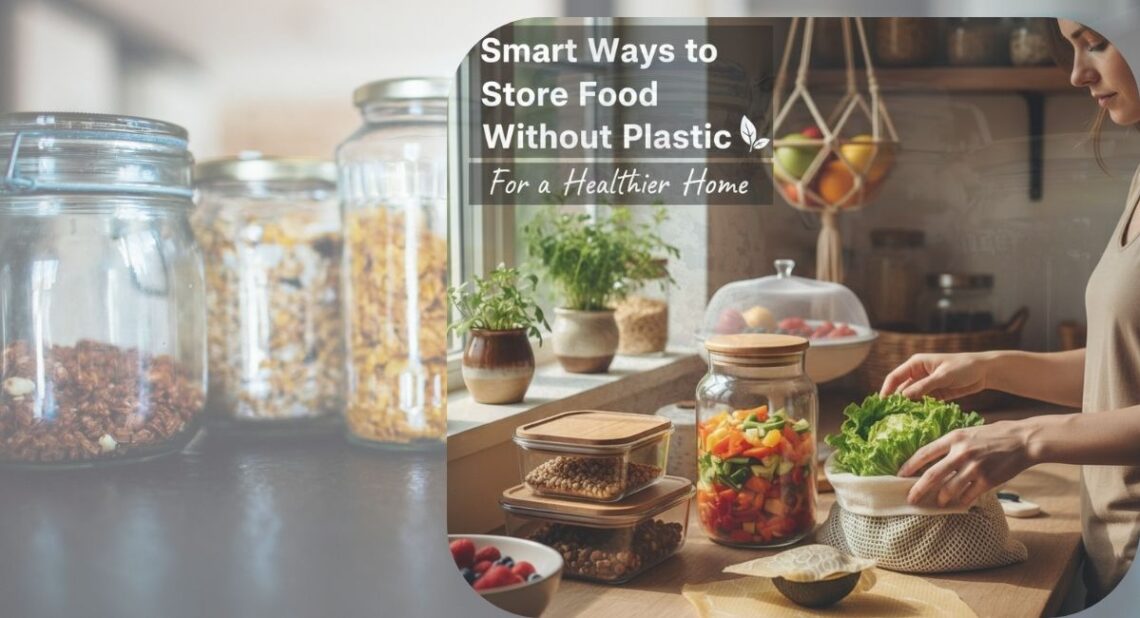
Plastic has quietly become one of the most common materials in kitchens. From single-use storage bags to containers and wraps, plastic has taken over the way we store food. While convenient, plastic can leach chemicals into food over time, contribute to landfill waste, and negatively impact the environment. Learning how to store food without plastic not only makes your home healthier but also supports a sustainable lifestyle. The good news is that adopting eco-friendly storage solutions doesn’t mean sacrificing convenience or style.
Rethinking How We Store Food
Plastic became popular because it is lightweight, inexpensive, and versatile. However, its environmental and health impacts have made it clear that safer alternatives are necessary. Transitioning to plastic-free food storage involves replacing harmful plastics with durable and reusable options, reorganizing your kitchen for efficiency, and adopting practices that reduce waste.
Glass jars, stainless steel containers, silicone wraps, and beeswax sheets are all alternatives that offer safety, durability, and environmental benefits. When combined with mindful habits such as buying in bulk and reducing leftovers, they can transform how you preserve food at home.
Practical Plastic-Free Storage Solutions
Glass Jars and Containers
Glass is non-toxic, reusable, and versatile. Using glass jars and containers is one of the simplest ways to eliminate plastic from your kitchen. They work well for dry goods, leftovers, and even liquids.
Benefits of glass storage:
- Completely non-reactive with food
- Easy to clean and sterilize
- Durable and long-lasting
- Compatible with freezers and microwaves
Glass jars come in various sizes, making them suitable for storing grains, legumes, spices, sauces, and snacks. For bulk purchases, large glass containers reduce the need for multiple plastic packages.
Silicone Wraps and Bags
Silicone is flexible, durable, and heat-resistant, making it a practical replacement for plastic wraps and bags. Unlike plastic, silicone doesn’t leach harmful chemicals into food.
How to use silicone storage:
- Wrap cut fruits, vegetables, or cheese
- Store sandwiches or snacks
- Freeze soups, sauces, or dough
- Reuse for months without losing quality
Silicone storage is dishwasher safe, easy to clean, and comes in multiple sizes and shapes. It can be used as both storage and a cooking aid in the oven or microwave.
Beeswax Wraps
Beeswax wraps are natural, biodegradable, and ideal for covering bowls, wrapping sandwiches, or preserving produce. They can last up to a year with proper care and can be refreshed by a gentle wash with cold water and mild soap.
Tips for using beeswax wraps:
- Avoid using hot water to prevent wax melting
- Store wraps away from direct sunlight
- Use smaller wraps for snacks and larger ones for bowls or platters
Stainless Steel Containers
Stainless steel is another excellent alternative for storing food, especially for those who prefer lightweight yet durable options. They are resistant to rust, do not retain odors, and are ideal for lunchboxes or pantry storage.
Uses for stainless steel storage:
- Transporting meals to work or school
- Freezing meat or prepared meals
- Storing dry goods such as rice, beans, and flour
Plastic-Free Food Storage Guide:
| Item | Alternative | Benefits | Best Use |
| Plastic wrap | Beeswax wrap | Biodegradable, reusable | Covering bowls, wrapping sandwiches |
| Single-use bags | Silicone bags | Reusable, freezer safe | Snacks, sandwiches, leftovers |
| Plastic containers | Glass jars | Non-toxic, easy to clean | Dry goods, sauces, liquids |
| Food storage | Stainless steel containers | Lightweight, durable | Lunch, frozen meals |
Storing Different Types of Food Without Plastic
Dry Goods
Dry goods such as grains, beans, and nuts are best stored in airtight glass jars or stainless steel containers. Label jars with the purchase date to track freshness. For bulk items, silicone storage bags provide a flexible and space-saving solution.
Fresh Produce
Fruits and vegetables can be stored in breathable cotton bags, glass containers, or beeswax wraps. Avoid washing produce until ready to use to prevent moisture buildup, which can cause spoilage.
Leftovers
For leftovers, glass or stainless steel containers with tight-fitting lids are ideal. Avoid plastic wrap or aluminum foil, which can degrade with repeated use. Silicone bags can also store small portions efficiently.
Freezer Storage
Plastic-free freezer storage is possible with glass containers designed for low temperatures or silicone bags. Stainless steel containers with tight lids can also keep meals frozen without leakage. Always leave room for expansion when freezing liquids.
Pantry Organization
Organizing your pantry with plastic-free storage ensures items stay fresh and accessible. Use glass jars for grains, nuts, and spices, and label them clearly. Stackable containers maximize space while reducing clutter.
Tips for Pantry Storage:
- Group similar items together
- Keep frequently used ingredients at eye level
- Rotate stock so older items are used first
Practical Habits to Support Plastic-Free Storage
Transitioning to plastic-free storage is not only about products but also about habits:
- Plan meals to reduce leftovers and waste
- Buy in bulk using reusable containers
- Store food properly to extend shelf life naturally
- Clean containers immediately after use to prevent odors and contamination
Mindful food storage reduces the need for disposable products and makes your kitchen more efficient.
Making Your Kitchen Plastic-Free Step by Step
- Start by replacing single-use items such as cling wrap and plastic bags with beeswax wraps and silicone alternatives.
- Gradually swap out plastic containers with glass or stainless steel options.
- Organize your pantry and fridge using stackable, durable containers.
- Introduce reusable bags and wraps for fresh produce and snacks.
- Track your progress weekly to stay motivated and make adjustments as needed.
Frequently Asked Questions
Q: How do I store leafy greens without plastic?
Wrap them in a damp cloth or paper towel and place them in a glass or stainless steel container. This maintains moisture while preventing wilting.
Q: Can I freeze food without using plastic?
Yes. Use silicone bags or freezer-safe glass containers. Leave room for expansion to prevent breakage.
Q: Are beeswax wraps safe for meat and fish?
It is not recommended. Beeswax wraps are best for fruits, vegetables, cheese, and bread. For raw meat and fish, stainless steel or glass containers are safer.
Q: How do I clean silicone bags?
Wash with warm, soapy water or place in the dishwasher. Ensure they are completely dry before storage to prevent odors.
Q: Will glass containers break easily?
High-quality, thick glass containers are durable and can withstand regular use. Avoid sudden temperature changes to prevent cracking.
Q: Can I store liquids in glass jars safely?
Yes, as long as the jars are sealed properly. Leave a small space at the top when freezing liquids to allow for expansion.
Q: How long do beeswax wraps last?
With proper care, beeswax wraps can last up to a year. Refresh by washing with cold water and mild soap, then air dry.
Making Plastic-Free Storage Part of Daily Life
Shifting to plastic-free food storage is a gradual process. Start with the items you use most often and replace them with safe, reusable alternatives. Over time, these habits will not only reduce your plastic footprint but also make your kitchen cleaner, more organized, and safer for your family.
A zero-plastic kitchen is achievable through small, consistent actions, like using glass jars for grains, silicone bags for snacks, and beeswax wraps for fresh produce. Pair these storage solutions with mindful shopping habits, meal planning, and proper organization to create a healthier, eco-friendly home.
For more guidance on sustainable home habits, check out these related resources: