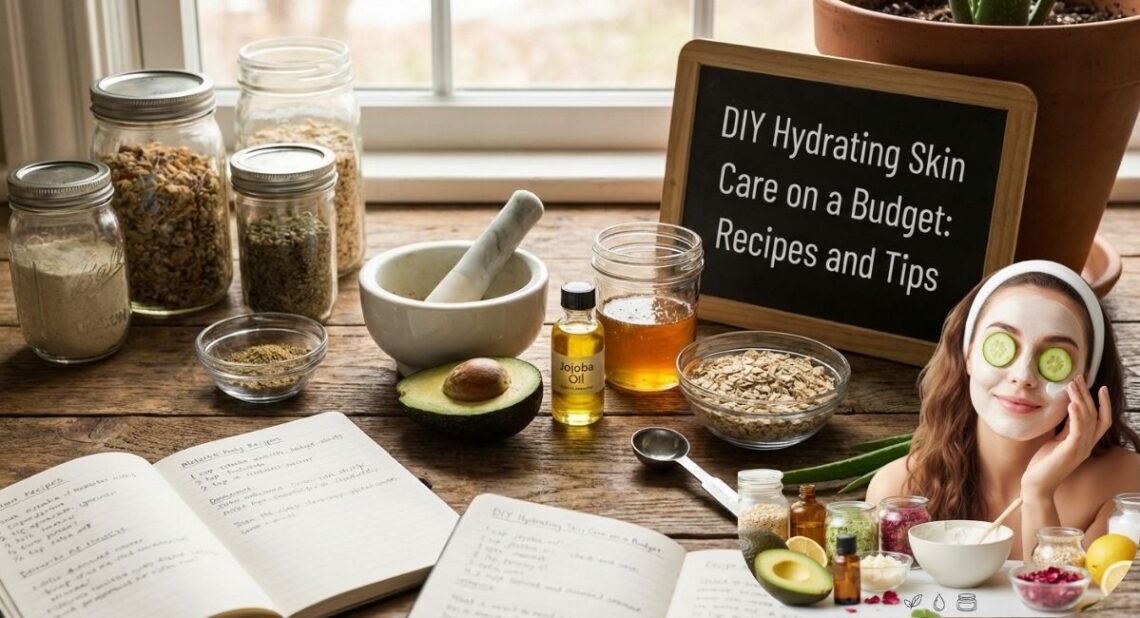
When your skin feels dry or dull, reaching for expensive creams is not the only option. Many effective ways to bring back moisture and glow come from the kitchen or local store. Using simple ingredients and thoughtful routines, you can enjoy healthy skin without spending a lot. This article covers practical ideas, safe recipes, and everyday advice to help you build a budget‑friendly hydrating skincare practice. Whether you want a fresh face mask or a nourishing night ritual, these suggestions can make skin care easier and more affordable.
Why skin hydration matters and how natural care can help
Your skin acts as a barrier against the environment. When it lacks moisture, that barrier weakens, which may cause tightness, flakiness, irritation, or even accelerate fine lines. Many commercial moisturizers include chemicals, synthetic fragrances, and preservatives that might feel heavy or irritating for sensitive skin. By choosing gentle natural options and focusing on hydration from within, you give skin a chance to rebalance itself calmly and steadily.
Natural skin hydration helps skin maintain elasticity. Ingredients like oils, mild humectants, and plant-based extracts often contain vitamins, antioxidants, and essential fatty acids that support skin structure and repair. Gentle care tends to respect the skin’s natural rhythm and can reduce dependency on strong cosmetics.
A budget friendly routine does not mean low quality. With smart choices and consistency you can reach the same goals as you would with high-end products: soft, supple, radiant skin. The key lies in moisture retention, gentle cleansing, barrier support, and nourishment — all achievable with simple methods.
Easy-to-find ingredients that support moisturizing skin naturally
You do not need a long list of exotic items to create effective skincare recipes. Below are several ingredients many people already have at home or can find at a regular grocery store. Each brings different hydration benefits or barrier support.
- Honey: Natural humectant that draws moisture into the skin. It also offers mild antibacterial and antioxidant properties.
- Plain yogurt (unsweetened, no additives): Contains lactic acid which gently exfoliates and promotes smoothness. Its proteins and lipids help lock in moisture.
- Aloe vera gel: Known for soothing irritated skin and offering light hydration. Aloe is gentle enough for sensitive skin and can calm redness or itchiness.
- Oatmeal (ground into fine powder): Helps relieve dryness and itch, while forming a protective layer. Oatmeal often supports barrier repair and softens skin.
- Natural oils (such as jojoba, sweet almond, olive oil, or avocado oil): These oils supply nourishing fatty acids which help reinforce the skin barrier and reduce water loss.
- Avocado or banana: Rich in vitamins and beneficial fats, these fruit‑based ingredients help soften and smooth skin, offering nourishment as well as moisture.
- Chamomile or green tea (cool brew): When cooled and used as toner or mask base, these can soothe skin and deliver mild antioxidants, helping skin recover from environmental stress.
- Coconut oil (use with caution): While heavier than some oils, coconut oil can deeply moisturize dry areas like elbows or cheeks. However for acne-prone skin, blending with a lighter carrier oil is better.
By combining these thoughtfully, you can tailor routines to your skin’s needs without spending much. Let’s explore how to bring them together in practice.
Simple homemade skincare recipes that hydrate without spending much
Here are some recipes that use the ingredients above. They are designed to be budget friendly, easy to prepare, and effective for moisturizing skin, calming irritation, or adding glow. Each of these can be adjusted slightly according to your skin type and preferences.
| Recipe Name | Key Ingredients | Method | Skin Type / Use |
| Honey & Yogurt Moisture Mask | 1 tbsp plain yogurt, 1 tbsp raw honey | Mix until smooth then apply to face for 15‑20 minutes, rinse with lukewarm water | Normal to dry skin needing hydration plus gentle exfoliation |
| Oatmeal & Aloe Gentle Mask | 2 tbsp finely ground oatmeal, 1 tbsp aloe vera gel, splash of water or cool tea | Combine into paste, apply to damp skin for 15 minutes, rinse gently | Sensitive or irritated skin; soothing after sun or dryness |
| Avocado & Banana Nourishing Mask | 2 tbsp ripe mashed avocado, 2 tbsp mashed banana, optional 1 tsp olive oil | Blend until smooth. Leave on face and neck for 20 minutes, then wipe off or rinse | Dry, normal or dull skin needing extra nourishment |
| Light Oil Moisture Treatment | 1 tsp jojoba or almond oil, optionally 1‑2 drops essential oil (lavender, rose) | Warm oil between palms and gently press into slightly damp skin after cleansing | Normal to dry skin; good as evening moisturizer |
| Green Tea or Chamomile Hydration Toner | 1 cup cooled brewed green tea or chamomile tea, optional 1 tsp honey | After cleansing, use cotton pad or hands to apply toner, let absorb or gently pat | Skin needing calming hydration or recovering from irritation |
How to choose recipes based on skin condition
If your skin feels tight or flaky, starting with the Honey & Yogurt Mask once a week can help restore hydration and smoothness. For skin that becomes red or itchy from cold weather or harsh cleansers, the Oatmeal & Aloe Mask can calm irritation and rehydrate. When skin looks dull or tired, try the Avocado & Banana Mask to add nutrients and softness.
For regular maintenance, using a light natural oil (like jojoba) after cleansing — ideally when skin is still slightly damp helps trap moisture effectively. And for a simple cooling hydration step, a mild tea-based toner can refresh and soothe skin without drying alcohol or harsh chemicals.
How to build a basic yet effective hydrating skin care routine on a budget
Creating a routine does not require many steps. What matters is consistency, gentle ingredients, and paying attention to how your skin feels. Below is a sample weekly routine that balances cleansing, hydration, nourishment and occasional pampering.
Daily Routine (Morning & Evening)
- Use a gentle cleanser (preferably a mild non‑stripping formula or even a simple natural non‑soap option) to remove dirt and excess oil.
- After cleansing, while the skin is still slightly damp, apply a lightweight moisturizing oil or a gentle lotion (for example jojoba oil or almond oil diluted with a little water).
- If using a toner (like cooled green tea or chamomile), apply it before the oil to help prep skin.
- At night, you may apply a slightly thicker layer of oil or mix oil with a few drops of honey for extra barrier support.
Weekly Extras (1–2 times per week depending on your skin’s needs)
- Apply a hydrating mask from the recipes above.
- If you use a mask, follow with gentle moisturizing oil after rinsing to seal in hydration.
- On very dry days, consider leaving oil on overnight on cheeks or other dry areas rather than rinsing.
General Tips for Best Results
- Patch‑test any new recipe on a small area of skin first, especially if you have sensitive or reactive skin.
- Because natural ingredients vary batch to batch (especially raw honey or fresh fruit), measure slightly conservatively first and increase only if your skin responds well.
- Keep the routine simple. Over-cleansing, exfoliating often or layering many products can backfire and strip natural oils.
- Drink enough water and eat a balanced diet. Skin softness starts from inside as much as outside.
By following a straightforward routine like this, you build a reliable system of hydration without spending much time or money. Over weeks, skin often feels softer, calmer, and shows fewer signs of dryness or uneven texture.
Why this kind of approach builds long-term skin health and reliability
A skincare practice built around natural moisturizers and barrier‑supportive nourishment offers several long-term advantages compared to heavy cream-based regimens or aggressive exfoliating routines.
First, this method respects skin’s natural physiology. Instead of forcing heavy layers or aggressive actives, it gently supports what skin already does — retain water, repair cells, neutralize mild environmental stress with the gentle touch of natural oils, humectants, and mild botanical helpers.
Second, it reduces risk. Strong creams, synthetic fragrances, and multiple actives increase chances of irritation, sensitivity, or over‑reaction (especially for sensitive or reactive skin). Natural solutions tend to have fewer irritants and are more forgiving when used thoughtfully.
Third, because you control the ingredients yourself, you can tailor care based on season, skin condition, or even budget. If dryness intensifies in winter you might swap yogurt mask for oil treatment. In humid summer, a light toner and oil combo may work better than heavy creams.
Finally, this approach builds skin resilience. With regular hydration, barrier support, and gentle nourishment, skin often maintains balance. It becomes less dependent on heavy products and more capable of self‑repair. Over time you rely more on simple routines and fewer “quick fixes,” which often come with side effects.
Additional practical advice to make DIY hydration sustainable and effective
It is easy to overlook small details when relying on homemade solutions. Yet these details can make or break your results. Below are helpful suggestions to keep natural skincare routines effective and safe long-term.
- Hygiene matters: Homemade masks and oils are prone to contamination if stored incorrectly. Use clean bowls, spoons, and containers. Avoid metal if possible; glass or ceramic is safer. Wash your hands before preparing and applying.
- Store ingredients properly: Fresh ingredients like avocado, banana, or homemade yoghurt mixes should be prepared fresh and used immediately. Oils should be stored in dark, cool places to prevent oxidation and rancidity. Prefer small batches rather than large amounts.
- Watch for allergic reactions: Even natural ingredients can cause reactions. If you feel burning, itching, or see redness beyond normal mild tingling, rinse off immediately and avoid repeating that recipe. Use one new recipe at a time so you can identify what works.
- Be realistic and patient: Natural skincare is rarely quick in dramatic results. Improvements come gradually over several weeks with steady care. Your skin may need time to adjust, especially if you are switching from heavy creams to lighter natural hydration.
- Balance hydration and cleansing: Over-cleansing with strong soap or exfoliants can strip away natural oils faster than you replace them, making dryness worse. Use mild cleansers or simply water when possible.
- Support hydration internally: Moisturizing skin externally is only part of the story. Drinking sufficient water, eating healthy fats (like nuts, seeds, fish), and consuming a variety of fruits and vegetables all help skin stay hydrated and supple from within.
These habits not only prolong the lifespan of natural products but also improve the overall health of skin.
FAQ’s:
Does a mask with honey and yogurt dry out skin instead of moisturizing it?
No. Both honey and yogurt act as humectants they attract water into skin and yogurt has a gentle exfoliating effect without stripping. As long as you follow the mask with a light moisturizer or natural oil, it should help skin retain hydration. If your skin tends to be very dry or sensitive, rinse the mask with lukewarm rather than warm water and apply a soothing oil immediately after.
How often should I use a hydrating face mask if I follow a DIY routine?
For most skin types, 1 to 2 times per week is a good frequency. Overusing masks — especially those with exfoliating or cleansing ingredients — can disturb the natural barrier. If you have dry or sensitive skin, start with once per week and increase only if skin feels comfortable and benefits from more frequent hydration.
Is natural oil safe for oily or acne-prone skin?
It depends on the oil. Oils like jojoba or grapeseed oil tend to be lighter and more similar to skin’s natural sebum, so they may work even for oily skin when applied in small amounts. Heavier oils like coconut or avocado might feel too thick or clog pores for acne-prone skin. Always patch test and observe how your skin reacts. Sometimes mixing a small amount with moisturizer or using only on dry patches helps.
If I drink plenty of water, do I still need hydrating skincare?
Yes. Hydration from water and hydration from moisturizers serve different purposes. Drinking water helps your body function overall, but your skin still loses moisture through evaporation and environmental exposure. External moisturizers or oils help lock in that moisture so skin does not dry out. For healthy skin you need both internal hydration and external care.
Can I store homemade masks and reuse them later?
It is not advisable. Fresh ingredients like yogurt, fruit, or natural pulp may oxidize or grow bacteria quickly. For safety and effectiveness, prepare masks fresh before each use. Oils can be stored, but only if kept in opaque glass bottles in a cool place. Avoid mixing water or perishable items into large batches that will sit around.
Will natural hydration replace my regular moisturizer permanently?
Natural hydration can become the foundation of your routine, and for many people it can replace heavy commercial moisturizers entirely. However this depends on your skin type, climate, and individual needs. In very dry climates or during harsh winters you may choose to combine natural oils with a light moisturizer for extra barrier protection. The most important aspect is to keep skin balanced, not overloaded.
Encouragement toward mindful and gentle skin care
Building a natural, budget-friendly skincare routine is as much about changing habits as it is about mixing ingredients. Many of us spend on high cost lotions and creams hoping for quick fixes. The approach here values slow steady care. It respects what skin needs: moisture, barrier support, nutrients, and calmness. When you pay attention to how your skin feels tight, soft, irritated, glowing you learn what works.
Natural ingredients respond to your rhythm. Some days skin needs light hydration, other days a richer treatment or soothing care. By mixing routines mindfully for example using a gentle mask one week, a simple oil treatment the next, and alternating with rest skin adjusts without shock. This kind of care builds resilience.
Budget friendly does not mean less attentive or less effective. It means offering thoughtful nourishment that works in harmony with skin’s natural processes. Over time many people who follow this kind of practice notice softer texture, fewer dry patches, calmer appearance, and a more even tone. Even under seasonal changes or indoor heating, skin tends to hold moisture better when cared for gently and consistently.
If you enjoy this kind of simple care, you may soon find you no longer need heavy creams or complex product regimens. The confidence that comes from knowing how to hydrate and care for skin in a natural, affordable way can make skincare feel more personal and less like a chore.
Trying these DIY hydrating skincare tips can lead you to healthier skin while keeping spending low.