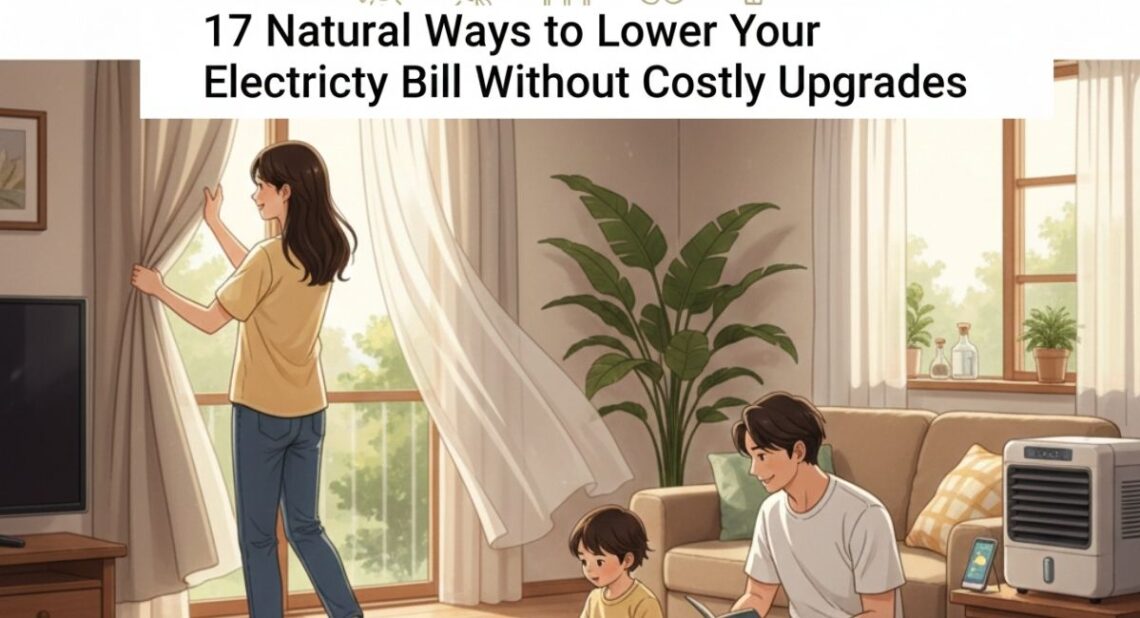
Rising electricity costs have become part of everyday life, and for many households, the monthly bill feels harder to control than ever. While energy-efficient upgrades and smart devices can help, not everyone wants to invest in new equipment or overhaul daily routines. The good news is that you can reduce your electricity bill naturally by making small, almost invisible adjustments that fit into your existing lifestyle.
Lowering energy use does not require discomfort or sacrifice. It is more about awareness, timing, and using what you already have in smarter ways. This guide walks through fifteen practical energy-saving ideas that focus on habits, placement, and natural efficiencies rather than major changes. These home energy hacks work quietly in the background while daily life stays the same.
Understanding Where Electricity Is Quietly Wasted
Most electricity waste happens without notice. Devices stay plugged in when not needed, heating and cooling systems work harder than necessary, and lighting choices often ignore natural daylight. These small leaks add up over time.
Before diving into specific actions, it helps to understand the main areas where electricity consumption hides:
- Heating and cooling systems
- Lighting habits
- Kitchen and laundry appliances
- Electronics and standby power
- Water heating and usage patterns
Many of these areas overlap with broader eco-friendly living habits, which are easier to adopt than most people expect. If you want a broader foundation, this guide on why sustainable living is easier than you think offers useful perspective without pressure.
1. Let Natural Light Do the Work During the Day
Artificial lighting is often used out of habit rather than need. Even energy-efficient bulbs consume power that can be avoided.
Simple adjustments include:
- Opening blinds fully instead of partially
- Rearranging desks or seating closer to windows
- Using light-colored curtains that reflect daylight
- Cleaning windows regularly to improve light flow
Homes designed around natural lighting often feel more comfortable and use less electricity without effort. You can explore room-specific ideas in this practical guide on natural lighting ideas to save energy.
2. Turn Off Lights Based on Room Purpose, Not Routine
Many people turn on lights automatically when entering a room, even if they will be there briefly. Over time, this habit increases electricity use.
A natural shift is to ask whether the task truly needs light. Walking through a hallway during the day or grabbing something from a well-lit kitchen often does not.
Helpful habits:
- Use task lighting instead of overhead lights
- Turn lights off when leaving a room, even briefly
- Avoid lighting rooms that are not in use
These adjustments reduce electricity use without changing how the home feels.
3. Use Curtains and Shades to Control Indoor Temperature
Curtains are not just decorative. They act as natural temperature regulators.
In warmer months:
- Close curtains during peak sunlight hours
- Use reflective or light-colored curtains to reduce heat
In colder months:
- Open curtains during the day to let sunlight warm the room
- Close them at night to reduce heat loss
This simple habit reduces reliance on heating and cooling systems, which are among the largest contributors to high electricity bills.
4. Adjust Thermostat Settings Slightly, Not Drastically
Large temperature changes are uncomfortable and often unnecessary. Small adjustments make a noticeable difference over time.
Examples include:
- Lowering the thermostat by one or two degrees in winter
- Raising it slightly during summer
- Using ceiling fans to support air circulation
Fans use significantly less electricity than air conditioning and help maintain comfort without lifestyle disruption.
5. Make Better Use of Ceiling Fans
Ceiling fans are often underused or misused. Running them correctly improves comfort while reducing HVAC use.
Key points:
- Fans cool people, not rooms
- Turn fans off when leaving the room
- Reverse fan direction seasonally for better airflow
This habit supports temperature control without noticeable change.
6. Unplug Electronics That Draw Power When Idle
Many electronics continue drawing electricity even when turned off. This is often called standby power.
Common culprits include:
- Televisions
- Game consoles
- Coffee makers
- Chargers left plugged in
A simple solution is to use power strips and turn them off when devices are not in use. This habit alone can reduce electricity waste quietly and consistently.
7. Rethink How and When You Use Major Appliances
Appliances such as dishwashers, washing machines, and dryers consume large amounts of electricity. Timing matters more than frequency.
Helpful strategies:
- Run appliances during off-peak hours when possible
- Use cold water settings for laundry
- Air dry clothes when weather allows
- Avoid half-loads unless necessary
Water usage also impacts energy, especially when heating is involved. These ideas align well with simple ways to save water at home.
8. Maintain Appliances Instead of Replacing Them
Poorly maintained appliances work harder and consume more electricity.
Basic maintenance includes:
- Cleaning refrigerator coils
- Emptying dryer lint traps after every use
- Defrosting freezers when ice builds up
- Checking seals on refrigerators and ovens
These steps cost nothing and extend appliance efficiency.
9. Use Natural Air Fresheners Instead of Electric Devices
Plug-in air fresheners and electric diffusers draw continuous power. Natural alternatives provide similar results without electricity.
Examples include:
- Baking soda for odor absorption
- Citrus peels and herbs
- Essential oil sprays
DIY options are easy to make and reduce both electricity use and chemical exposure. This guide on DIY natural air fresheners offers simple recipes.
10. Keep Refrigerators and Freezers at Efficient Temperatures
Many refrigerators are set colder than necessary. This increases electricity use without improving food safety.
General guidance:
- Refrigerator temperature around 37 to 40°F
- Freezer temperature around 0°F
- Avoid frequent door opening
- Allow hot food to cool before storing
Small adjustments here reduce constant energy draw.
11. Rely on Natural Cleaning Methods
Some cleaning devices consume electricity unnecessarily. Natural cleaning methods rely more on manual effort and timing rather than powered tools.
Using eco-friendly cleaning products also supports healthier indoor air quality. If you want safer alternatives, this list of eco-friendly cleaning products for 2025 provides helpful guidance.
12. Use Plants to Support Indoor Comfort
Indoor plants contribute to comfort by improving humidity and air quality. This can reduce reliance on fans and air purifiers.
Plants such as snake plants, pothos, and peace lilies are low-maintenance and effective. You can explore options in this guide to the best indoor plants for clean air and style.
13. Reduce Hot Water Usage Without Changing Habits
Hot water requires electricity or gas. Small changes reduce energy use without affecting comfort.
Examples include:
- Shortening showers by a minute or two
- Washing hands with warm rather than hot water
- Fixing dripping faucets
These habits connect directly to energy and water savings.
14. Support Energy Efficiency Through Smart Planning
While this article focuses on natural methods, understanding energy-saving devices helps you use existing systems better. Awareness alone often leads to reduced usage.
This overview of energy saving devices for every home provides insight without pressure to buy.
15. Think Long Term About Natural Energy Sources
You do not need solar panels to start thinking about energy independence. Learning how solar works helps you make smarter daily choices.
For beginners, this guide on solar energy explains the basics in simple terms.
16. Optimize Lighting with Reflective Surfaces
Reflective surfaces amplify natural and artificial light, reducing the need for extra lamps.
Simple adjustments include:
- Using light-colored walls, ceilings, and furniture
- Placing mirrors opposite windows to bounce sunlight
- Choosing glossy or semi-gloss paint finishes in dark areas
These small changes make rooms feel brighter naturally and lower lighting needs.
17. Schedule Outdoor Chores to Use Daylight
Activities like gardening, laundry, or minor repairs often get done under artificial lighting unnecessarily.
Helpful tips:
- Hang laundry or water plants during daylight hours
- Complete outdoor projects before sunset
- Use daylight for reading, crafts, or hobbies outside
This reduces reliance on electric lights and encourages a natural daily rhythm.
Manual Guide Table for Daily Energy Reduction
| Area of Home | Natural Adjustment | Electricity Impact |
| Living Room | Use daylight and curtains | Reduced lighting and cooling use |
| Kitchen | Cold water washing | Lower appliance energy |
| Bedroom | Fans instead of AC | Reduced cooling load |
| Laundry | Air drying clothes | Eliminates dryer energy |
| Electronics | Power strips | Stops standby power |
How These Habits Fit Into a Greener Lifestyle
Lowering electricity use naturally often leads to broader environmental awareness. Many people find that once they start saving energy, other eco-friendly habits follow without effort.
Gardening, mindful routines, and home projects support both wellness and sustainability. For example, gardening supports mental health while reducing reliance on store-bought goods.
DIY projects also encourage mindful energy use. This list of DIY projects to make your home greener offers accessible ideas.
Frequently Asked Questions
Can I really reduce my electricity bill without changing my lifestyle?
Yes. Most savings come from small habit shifts that happen naturally once you become aware of energy use.
How much can these methods save each month?
Savings vary by household, but many people see noticeable reductions within one or two billing cycles.
Are natural energy-saving ideas better than smart devices?
Natural methods cost nothing and work continuously. Smart devices can help, but awareness and habits often matter more.
Do energy-saving habits affect comfort?
When done correctly, comfort often improves due to better temperature balance and lighting.
Is it worth tracking electricity usage?
Yes. Monitoring usage helps identify waste and reinforces positive habits.
Final Thoughts
Lowering your electricity bill naturally does not require drastic changes or expensive upgrades. It comes from understanding how energy flows through your home and making small adjustments that fit into everyday life. These energy-saving ideas work quietly in the background while comfort and routine remain unchanged.
With time, these habits become second nature, and the savings become consistent. Reducing electricity use also supports a healthier home and a more thoughtful approach to daily living.