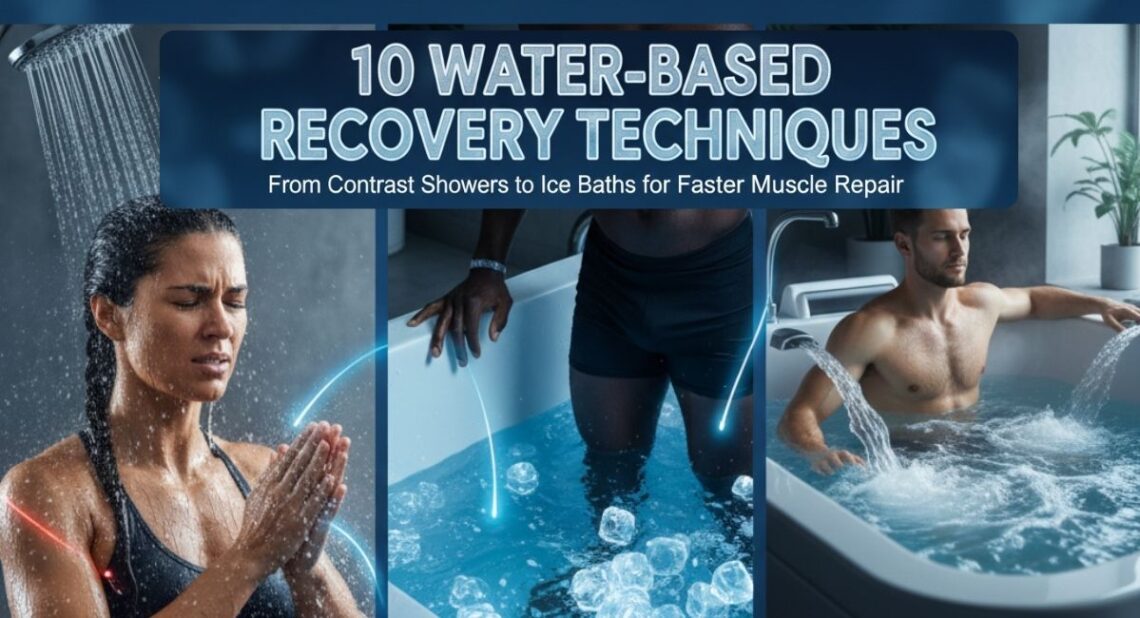
Muscle fatigue is a natural part of training, whether it comes from distance running, strength work, interval sessions or simply a long day of movement. Recovery routines play a major role in how your body adapts, repairs and prepares for the next round of effort. Water recovery techniques offer a practical way to reduce soreness, calm inflammation and support mobility without adding more stress to your system.
Water influences blood flow, muscle temperature and lymphatic activity. Warm water promotes vasodilation, easing tension and inviting fresh circulation into overworked areas. Cold water encourages vasoconstriction, helping manage swelling and fatigue. Shifting between the two creates a natural pump-like effect that transports nutrients and clears waste. Buoyancy and hydrostatic pressure also support joints and reduce load, making water an ideal environment for movement-based rehabilitation.
Water-based recovery is used by athletes, physical therapists and everyday active individuals who want dependable, gentle methods that fit easily into their routine. When paired with hydration practices, mobility work and sustainable wellness habits, water therapy becomes even more effective. Resources like hydration and mental clarity, simple eco-friendly habits to start today, and simple ways to save water at home offer additional support for a well-rounded recovery lifestyle.
Below is the complete merged and expanded guide, combining all 10 techniques with added detail, a manual-style table and practical advice.
The Foundation of Water Recovery Techniques
Water interacts with the body in predictable, supportive ways. Temperature, resistance and pressure create a therapeutic environment where tissues relax, inflammation settles and circulation adapts more smoothly. Warm immersion loosens stiff fibers, while cold immersion moderates inflammation. Alternating between them amplifies both effects. Water’s buoyancy also reduces impact on joints, which is essential for people recovering from injuries or managing chronic tension.
Water recovery can be enhanced with other everyday wellness practices. If you’re exploring sustainable, supportive routines, topics like why sustainable living is easier than you think, eco-friendly cleaning products, energy-saving devices for every home and natural lighting ideas to save energy offer helpful ways to build a balanced lifestyle.
Movement, hydration and gentle aquatic work form a reliable foundation for post-workout recovery, making it easier to stay active consistently without extended downtime.
Deep Dive into 10 Water Recovery Techniques
1. Contrast Showers
Contrast showers are simple to perform at home and offer immediate circulation support. By switching between warm and cold water, your blood vessels expand and narrow rhythmically. This helps clear metabolic waste, reduces tightness and may lighten the heavy sensation that follows challenging workouts.
A common routine uses 2 minutes of warm water followed by 30 to 60 seconds of cold. Repeating these cycles for 10 to 15 minutes often results in improved comfort the next day.
2. Cold Water Immersion and Ice Baths
Cold immersion helps ease inflammation and soreness. Muscles cool rapidly, slowing metabolic processes and managing swelling. Athletes often sit in water 50 to 59°F for 10 to 15 minutes. Beginners may prefer slightly warmer temperatures or shorter durations until they adjust.
3. Warm Water Immersion
Warm immersion relaxes the body, supports flexibility and eases resistant tension. Sessions last 15 to 20 minutes at 92 to 104°F. Because warm water encourages blood flow, it helps tight muscles soften, making stretching feel more natural.
4. Aquatic Therapy Exercises
Aquatic therapy uses buoyancy to reduce load on joints, making movement easier and more comfortable. Many people recovering from injuries rely on this method, since water reduces pain while allowing controlled motion. Water also provides gentle resistance, supporting strength gains without overexertion.
If joint comfort is a priority, resources like water workouts for joint health can help you build a routine that fits your movement style.
5. Hydrotherapy Pools
Hydrotherapy pools blend warm temperatures with circulating jets for targeted comfort. Sessions typically include slow movements guided by a therapist or performed independently. The combination of warmth and light massage supports muscle relaxation and joint mobility.
6. Vichy Showers
A Vichy shower uses overhead jets while you lie comfortably on a treatment table. This helps relax tissues evenly and supports circulation. Many people use Vichy sessions for tension relief, especially after long workdays or intense training blocks.
7. Watsu (Water-Based Shiatsu)
Watsu combines warm water with stretching, gentle holds and fluid movement patterns. The therapist supports your body while guiding you through relaxing motions. Sessions run 30 to 60 minutes and feel deeply calming, making them ideal for stress relief and mobility restoration.
Those exploring stress solutions may also benefit from practices featured in natural stress relief techniques.
8. Cooling Compression
Cooling compression targets specific areas, such as calves or shoulders. Cold water or chilled wraps help reduce localised swelling after intense effort or long-duration training. Sessions last 10 to 20 minutes, depending on comfort and intensity.
9. Cold Water Leg Baths
Perfect for runners, hikers and anyone on their feet all day, cold leg baths help reduce swelling in the lower limbs. They offer a gentle alternative to full-body immersion. Water temperatures between 50 and 59°F for 10 to 15 minutes can ease fatigue and help prepare the legs for the next training session.
10. Active Water Recovery
Active water recovery includes water walking, gentle swimming, light aerobics or laps performed at an easy pace. Neutral or warm water allows full-body movement without strain. Sessions typically run 20 to 30 minutes and work well on days when you want movement without intensity.
Pairing this with mindful hydration or nutrition practices like mindful eating and hydration supports an even more balanced recovery day.
Manual Guide Table
| Technique | Primary Benefit | Water Temperature Range | Typical Duration |
| Contrast Showers | Circulation support and inflammation control | Warm 100-110°F Cold 50-59°F | 10-15 minutes |
| Ice Baths / Cold Water Immersion | Soreness and inflammation reduction | 50-59°F | 10-15 minutes |
| Warm Water Immersion | Muscle relaxation, flexibility | 92-104°F | 15-20 minutes |
| Aquatic Therapy | Low-impact mobility | Neutral to Warm | 20-45 minutes |
| Hydrotherapy Pools | Joint comfort and warm massage | 92-98°F | 20-30 minutes |
| Vichy Showers | Full-body relaxation | Warm | 10-15 minutes |
| Watsu | Stress relief and mobility | 92-98°F | 30-60 minutes |
| Cooling Compression | Local swelling reduction | Cold | 10-20 minutes |
| Cold Leg Baths | Lower-limb recovery | 50-59°F | 10-15 minutes |
| Active Water Recovery | Gentle aerobic work | Neutral to Warm | 20-30 minutes |
How Water Supports Recovery
Temperature response
Warm water softens muscles and encourages mobility. Cold water moderates inflammation and stiffness. Alternating between them creates a rhythmic circulation pattern that helps the body clear soreness.
Hydrostatic pressure
The natural pressure of water supports circulation and lymphatic drainage.
Buoyancy
Reduced impact means smoother, easier movement.
Resistance
Water’s resistance helps build strength without strain.
These combined effects explain why water recovery is used across fitness, therapy and wellness settings.
How to Choose the Right Method
- Choose cold immersion when managing acute soreness.
- Choose warm immersion when dealing with stiffness.
- Choose contrast showers when you want fast circulation support.
- Choose aquatic therapy if mobility or low-impact exercise is needed.
- Choose Watsu or Vichy when relaxation is your primary goal.
Recovery also improves when paired with eco-friendly and wellbeing-focused habits.
Frequently Asked Questions
What makes contrast showers different from ice baths?
Contrast showers cycle between warm and cold water to help with circulation. Ice baths stay cold throughout and target inflammation directly.
How often should cold water immersion be used?
Two to three weekly sessions of 10 to 15 minutes work well for many people, but you can adjust based on training intensity.
Does warm water help with flexibility?
Yes. Warm water invites blood flow into tight areas, making movement easier.
Can aquatic therapy help chronic injuries?
Yes. It reduces joint load and allows safe, supported movement.
Are there risks to cold therapy?
Overuse can cause discomfort or circulation stress. Always start gradually.
Can water recovery be paired with nutrition or stress-relief habits?
Yes, and many people find better results when they also practice routines like natural stress relief techniques.