
When we think about healthy habits we often focus on food choices. But how we eat and how we drink water also shape our overall well‑being. Mindful eating means paying attention to what we eat and how we feel while eating. Mindful hydration adds awareness to how, when, and why we drink water. Together these habits influence digestion, energy, skin health, mood, and long-term wellness. By tuning into our body’s signals and pairing nutrition with thoughtful hydration, we can support health in a calm and balanced way.
Why Mindful Eating and Awareness of Water Matters
Our bodies use water in many subtle ways. Every cell depends on water to carry nutrients, flush out waste, regulate temperature, and maintain elasticity. When hydration is ignored or treated as a side note, bodily systems can struggle to perform efficiently. Chronic mild dehydration may show as fatigue, sluggish digestion, dry skin, or difficulty concentrating.
At the same time, eating without awareness can prevent our body from making full use of what we consume. Rushing meals, eating while distracted, or ignoring hunger and fullness cues can lead to overeating, indigestion, or poor nutrient absorption. Mindful eating allows us to savour our food, appreciate flavors and textures, and become more attuned to signals of hunger and satisfaction. When we pair that with mindful water intake, we give our body the tools it needs to use nutrients wisely, digest food smoothly, and support metabolism.
The connection between what we eat and how we hydrate becomes more meaningful when we consider that many natural foods also contain water and electrolytes. Fresh fruits, vegetables, soups, and broths add hydration while providing essential vitamins and minerals. Drinking water alone cannot replace the balance of nutrients found in whole foods. A combined focus on nourishing meals and adequate water supports overall health more effectively than either approach does by itself.
Hydration and Mental Clarity: 5 Science-Backed Tips
The Benefits of Bringing Water Awareness Into Eating Habits
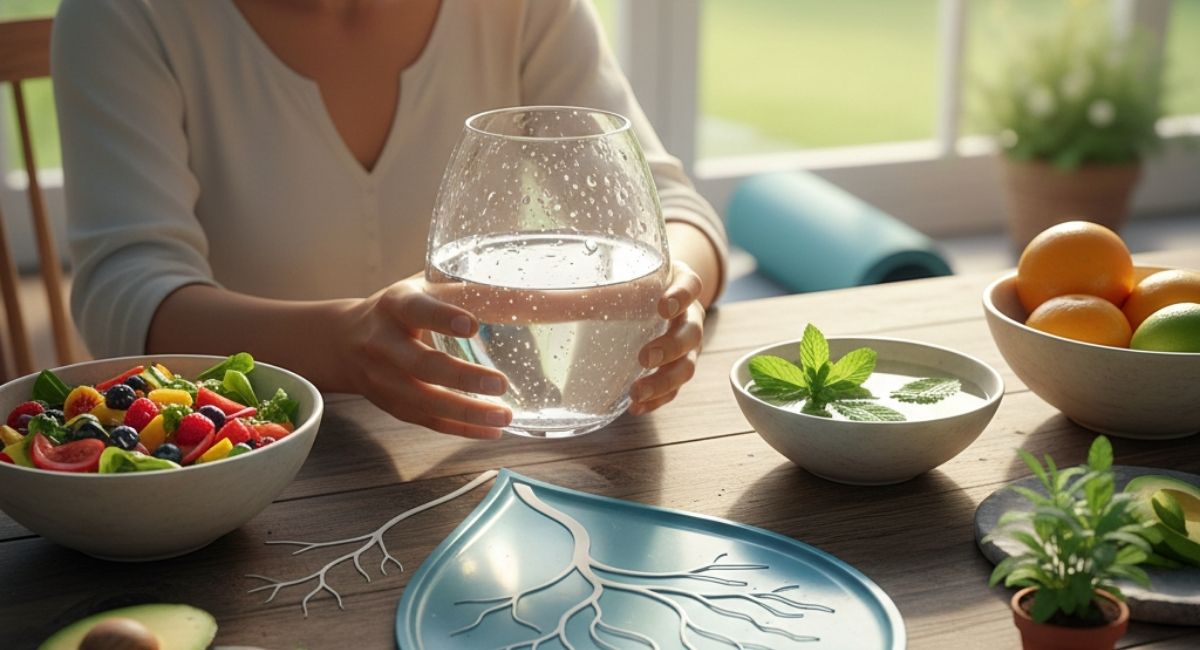
Shifting toward mindful eating and hydration brings benefits that go beyond just “eating healthy.” Many positive changes happen when we respect both food and water as nourishment rather than afterthoughts.
- Improved digestion: Drinking water in regular, moderate intervals supports digestive processes and prevents dehydration-induced sluggish digestion. When meals are eaten mindfully, with attention to chewing and tempo, the body breaks down nutrients more effectively.
- Enhanced energy and mental clarity: Proper hydration supports brain function. When you stay hydrated and avoid sugar-laden drinks, your energy remains steadier. Mindful eating, especially of nutrient-rich meals, gives lasting fuel rather than quick spikes followed by crashes.
- Better skin and body balance: Hydration helps skin maintain moisture and elasticity. Nutrient-rich meals support skin from the inside. Together they contribute to healthier skin, less dryness, and a balanced glow.
- Reduced overeating and improved portion control: Paying attention to hunger cues and fullness helps prevent overeating. Drinking water before or during meals can create a sense of just-right fullness, helping control portions naturally.
- Greater awareness of body signals: We start to notice when we are truly hungry or thirsty, when we need rest or movement. This awareness encourages a more respectful and responsive relationship with our body rather than habit-driven or emotional eating or drinking.
Over time these benefits contribute to more stable health, improved mood, and a deeper understanding of our body’s needs—without fad diets or extreme rules.
Practical Steps to Practice Mindful Eating and Hydration Daily
Making mindful eating and hydration part of daily life does not require dramatic changes. It begins with small adjustments and conscious habits. Below are practical actions to help you begin a balanced routine.
Start with Water, Mindfully
- Keep a reusable water bottle within reach during the day. Having water visible prompts regular sipping, rather than waiting until thirst becomes acute.
- Drink a glass of water when you wake up to help rehydrate after hours of rest.
- Before meals, drink a small glass of water about 10 to 15 minutes prior. This helps prepare your digestive system and supports portion awareness.
- Sip water slowly instead of gulping. Pay attention to how your throat, mouth, and stomach respond.
Eat With Awareness
- Before eating, pause for a moment and notice how hungry or full you feel on a scale from 1 to 10. Begin only when you feel a genuine appetite.
- Engage your senses: look at food, smell it, appreciate its colors and textures. Chew slowly and savor each bite.
- Put utensils down between bites. This simple act gives time for your brain to register fullness, reducing the chance of overeating.
- Avoid distractions. Try not to eat while scrolling through your phone, working, or watching TV. Being present helps you enjoy the meal and listen to your body’s signals.
Use Water-Rich Foods to Support Hydration
- Incorporate fruits and vegetables that have high water content like cucumber, watermelon, oranges, celery, leafy greens, and bell peppers. These foods hydrate while supplying vitamins, minerals, and fiber.
- Prefer broths or light soups, especially when appetite or digestion is weak. Soups hydrate, provide electrolytes, and are gentle on the stomach.
- Snack on whole foods rather than processed or salty snacks which can increase thirst or disturb water balance.
Plan Your Day Around Balanced Hydration and Meals
| Time of Day | Suggested Hydration / Eating Habit | Why It Helps |
| Upon Waking | Glass of room‑temperature water | Rehydrates after sleep; awakens digestion |
| Mid-Morning | Light snack (fruit or nuts) + water | Keeps energy stable; prevents over-hunger |
| Lunch | Mindful meal + small glass water before eating | Promotes good digestion and awareness of fullness |
| Afternoon Break | Water or herbal tea + water-rich snack | Supports hydration without caffeine overload |
| Late Afternoon | Water (not sugary drink) | Maintains hydration; avoids energy crash |
| Dinner | Balanced wholesome meal + slow water sips | Supports digestion and hydration overnight |
| Evening (if needed) | Herbal tea or water | Gentle hydration before sleep; avoids excess salt |
Use this as a flexible guide rather than a rigid schedule. Your appetite and thirst vary with weather, activity level, and overall health. The aim is to stay aware of needs rather than force habits.
What Hinders Mindful Hydration and Eating—and How to Handle It
Even with good intentions, many people encounter obstacles. Understanding common hurdles makes it easier to address them.
One common obstacle is dehydration disguised as hunger. Sometimes when people feel hungry they are actually thirsty, or mildly dehydrated. Drinking a glass of water before eating or waiting a few minutes helps determine if the body needs food or hydration.
A busy lifestyle and distraction also undermine mindful habits. Eating on the go or multitasking while eating or drinking often disconnects the mind and body. To counter this make meal and hydration times intentional. Schedule short breaks, use a dedicated water bottle, and try simple rituals: for example, pour water into a favorite glass, sit down for a minute, and breathe before sipping.
Another challenge is over‑reliance on sugary drinks or caffeinated beverages. These may temporarily quench thirst or boost energy, but they can disrupt hydration balance and even draw water out of cells. Gradually replacing sugary drinks with water or caffeine‑free herbal teas supports more stable hydration and promotes better digestion.
Failing to include enough water-rich foods also weakens hydration efforts. Relying only on drinking water neglects the natural hydration from foods. Planning meals that include vegetables, fruits, soups or even smoothies helps ensure water and nutrient intake together.
Finally some people worry about drinking water too close to meals interfering with digestion. But sipping modest amounts — particularly before or between meals — rarely causes any issue. Heavy consumption of water during or immediately after a dense meal might dilute digestive enzymes slightly. A gentle approach like sipping water before meals, or waiting 30–45 minutes after a large meal before drinking a big glass, offers balance.
How Mindful Eating and Hydration Support Long-Term Health
Because water and nutrition influence every aspect of bodily function, mindful hydration and eating have ripple effects over time.
When digestion functions smoothly the body assimilates nutrients better, leading to sustained energy, better immune function, and stable metabolic processes. Regular hydration supports joint health, vascular function, temperature regulation and even cognitive clarity.
From a mental health perspective, the ritual of mindful eating builds gratitude and awareness. Food becomes more than fuel — a way to nourish body and mind consciously. Drinking water intentionally helps slow down a fast-paced life. Over time these small rituals reduce stress, improve focus, and promote a calmer state of being.
Mindful habits can also aid in maintaining a healthy weight. By listening to hunger and fullness cues, overeating is less common. Hydration helps regulate appetite and supports metabolic balance. Combined with nutritious meals it becomes easier to maintain a stable, healthy weight without crash diets or strict meal plans.
For people with sensitive digestion, chronic dryness, skin issues or chronic fatigue, this kind of holistic care — gentle nourishment and consistent hydration — provides a stable base to rebuild natural balance. No quick fixes are needed; only respect for what the body asks.
Frequently Asked Questions about Mindful Eating and Hydration
How much water should I drink each day if I want to stay well hydrated?
There is no one‑size‑fits‑all number. Hydration needs vary depending on activity, weather, age, and diet. A useful guideline is to respond to your body’s signals: feel thirsty, drink water; feel a bit dry, have more. Including water-rich foods adds hydration as well. For many adults regularly sipping water throughout the day and including fruits, vegetables or soups, total fluid intake of about 2.5 to 3 liters might be adequate under normal conditions. On hot days or during exercise, you may need more.
Can drinking water with meals disrupt digestion?
Drinking a modest amount of water around mealtimes does not usually interfere with digestion. Sipping water gently before or during a meal can help soften food and aid swallowing. If you are eating a heavy or very dense meal, waiting for about 30 to 45 minutes after eating before drinking a large glass of water can help your digestive enzymes work effectively.
What if I dislike plain water and prefer flavored drinks?
Plain water remains the simplest and healthiest choice. If you find it bland, try adding slices of citrus fruit, cucumber, or a sprig of mint. Herbal teas without caffeine or sugar are another gentle option. Drinks high in sugar, caffeine, or sodium do not replace water; they may even dehydrate or disturb the body’s balance.
Is it better to drink a large amount at once or sip water gradually over time?
Sipping water throughout the day is more helpful than chugging large amounts at once. Gradual intake lets your body absorb water efficiently without burdening kidneys or diluting electrolytes. This approach also allows you to respond to thirst signals and avoid overhydration.
How does mindful eating help if I already eat healthy foods?
Eating healthy foods matters, but how we eat also shapes how our body uses those foods. Mindful eating encourages chewing thoroughly, savoring flavors, and paying attention to fullness. This can improve digestion, nutrient absorption, and satisfaction from meals. Healthy eating plus mindful habits ensures you get the most benefit from every meal.
Can mindful hydration help with skin health or weight control?
Hydration supports skin by helping cells stay plump and elastic. When combined with balanced nutrition, healthy digestion and gentle movement, it can contribute to clearer skin, fewer dryness-related irritations, and a natural glow. For weight control, hydration can help regulate appetite and avoid mistaking thirst for hunger. Mindful meals also reduce chances of overeating or emotional eating.
Bringing Balance and Respect to Food and Water
Building a mindful eating and hydration habit is not about strict rules or counting ounces. It is about listening to the body. Noticing thirst, hunger, fullness, energy levels, comfort, and satisfaction. It is about honoring food and water as nourishment rather than tasks or chores.
It might start with something simple: pouring water into your favorite glass, waiting a few minutes before eating, letting water flow slowly instead of gulping, chewing each mouthful thoroughly, savoring flavors, and paying attention to how you feel after a meal. Over time these small gestures add up. The body becomes more attuned, digestion smoother, energy steadier, skin better, mood calmer.
Gentle hydration and mindful eating create a foundation for lasting wellness. Because when you respect what you put into your body whether water or food you build a gentle, sustainable rhythm. You give yourself what you need without extremes.
If you bring curiosity, patience, and kindness to this practice you don’t need fancy juices, expensive supplements, or drastic diets. You only need an open mind and a willingness to listen. Your body already knows what it needs. With mindful eating and hydration you simply learn to pay attention.